项目 / 01
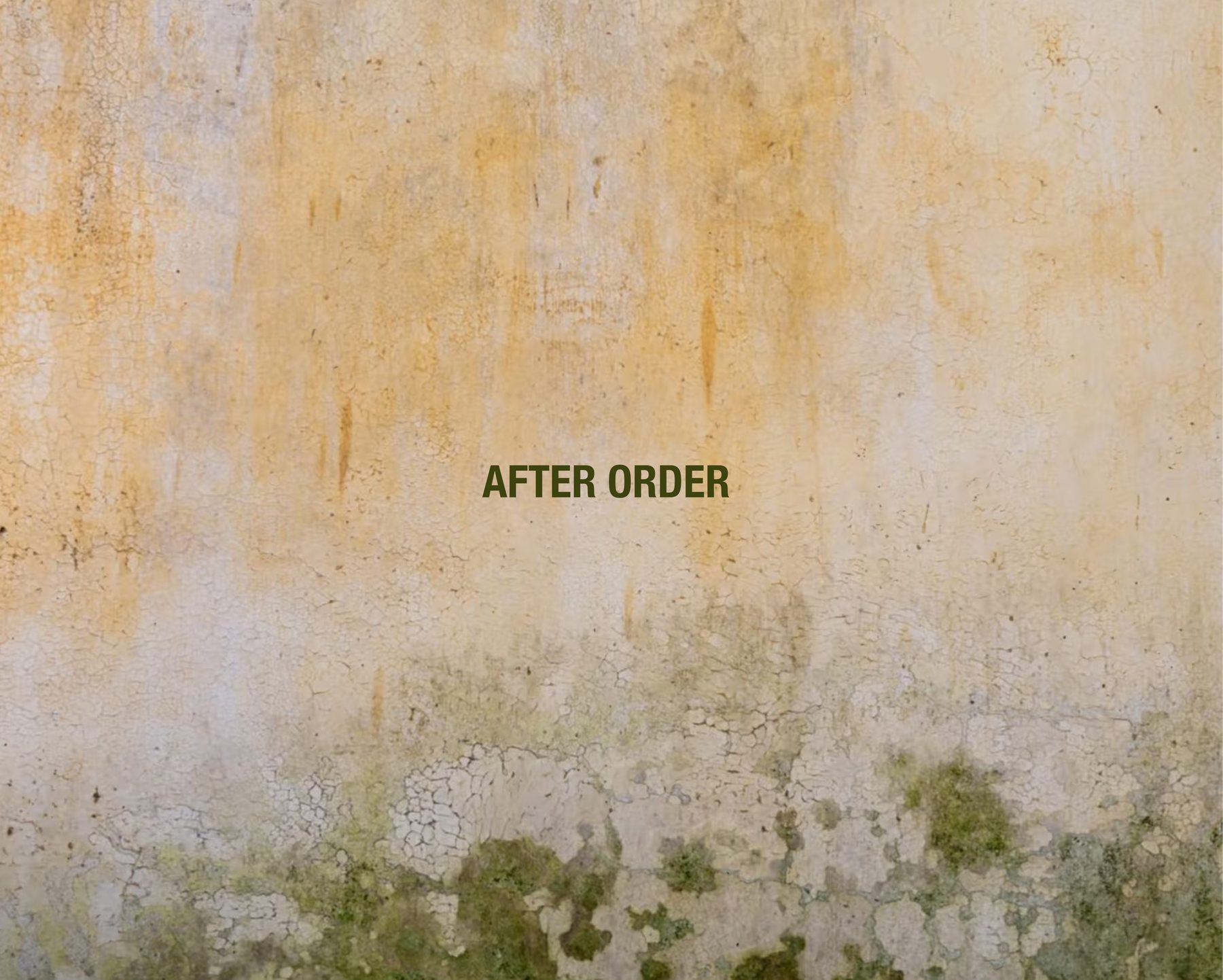
After Order
- 年份
- 2026
- 媒介
- 摄影书
Project statement / English
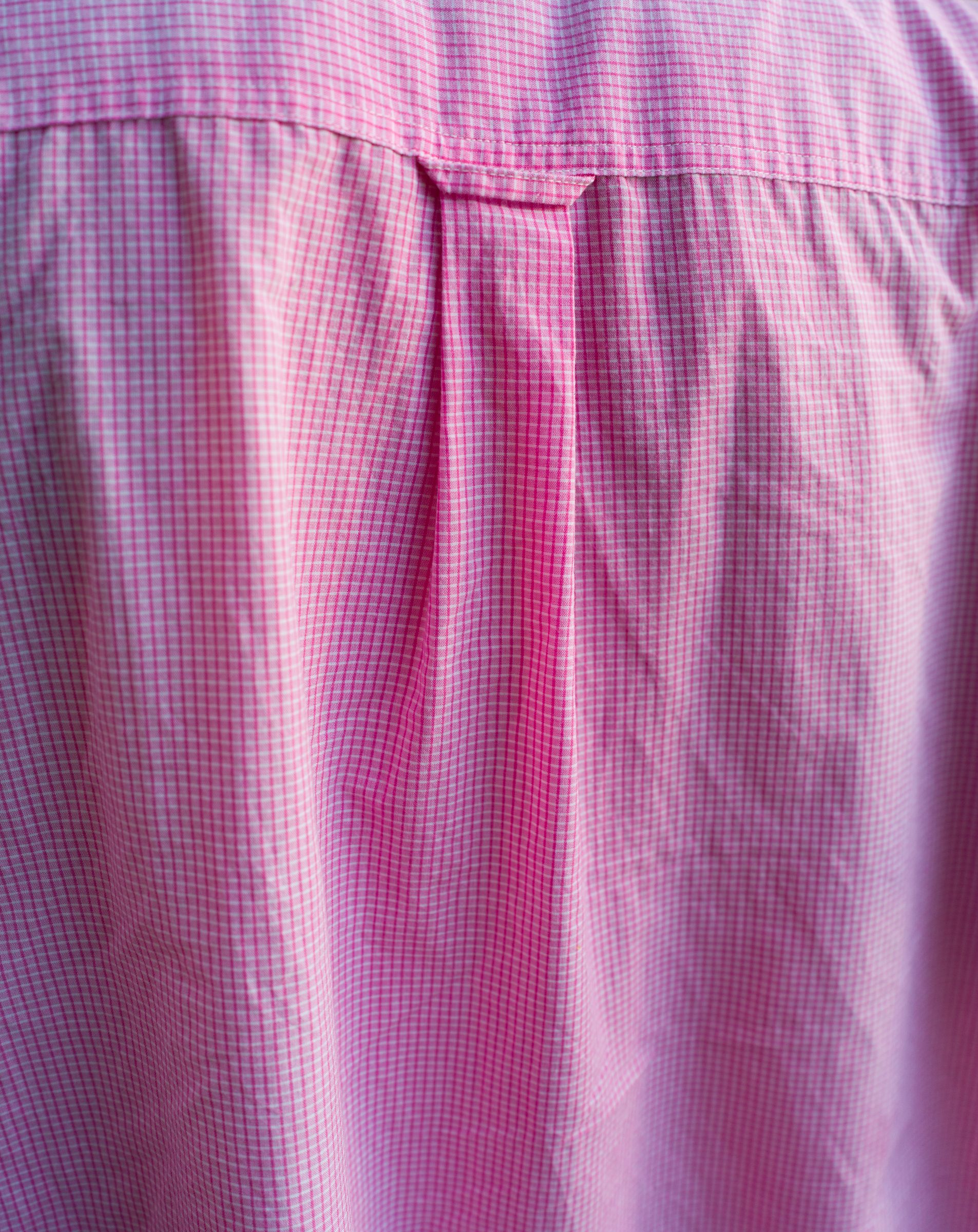
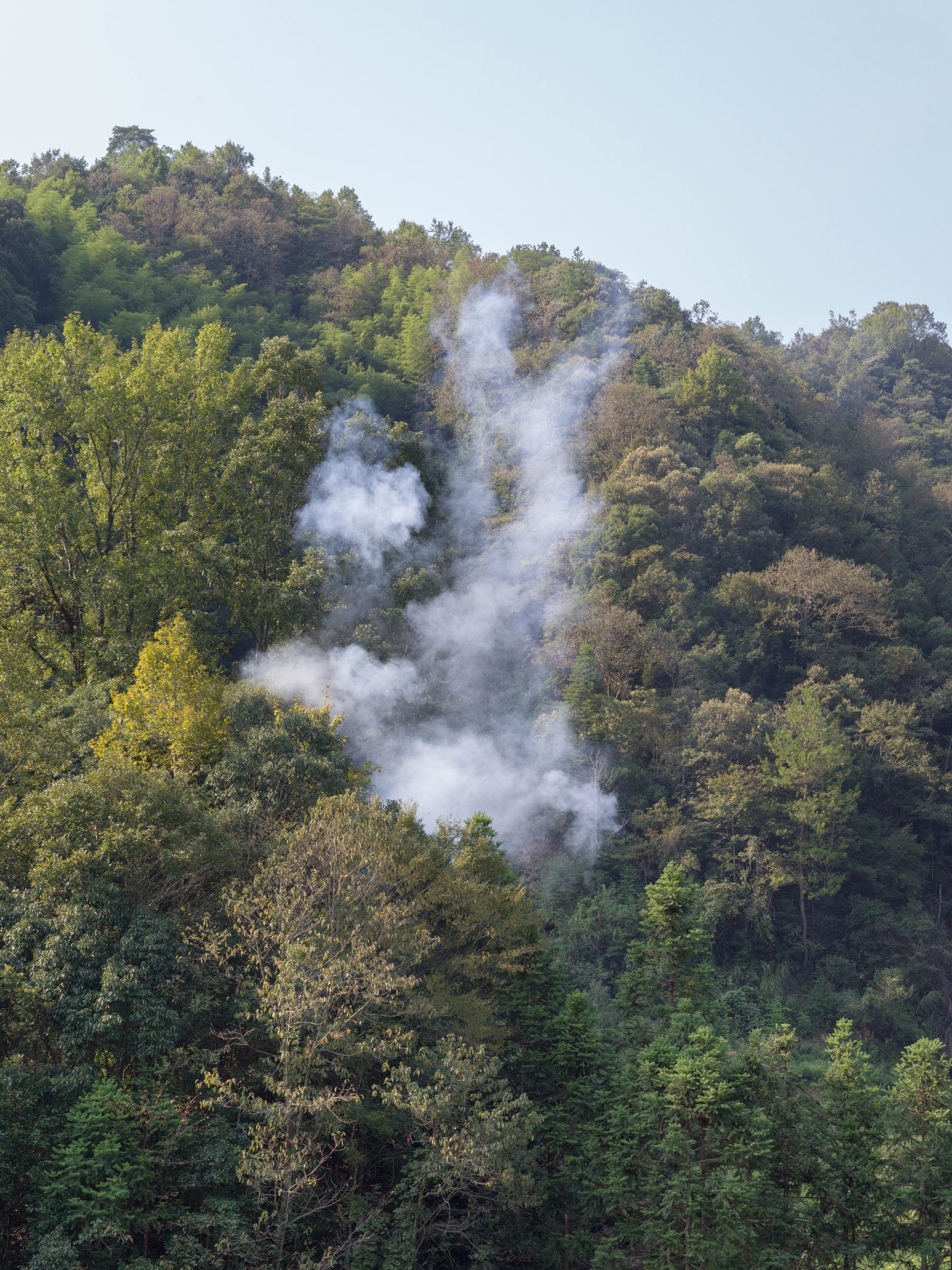
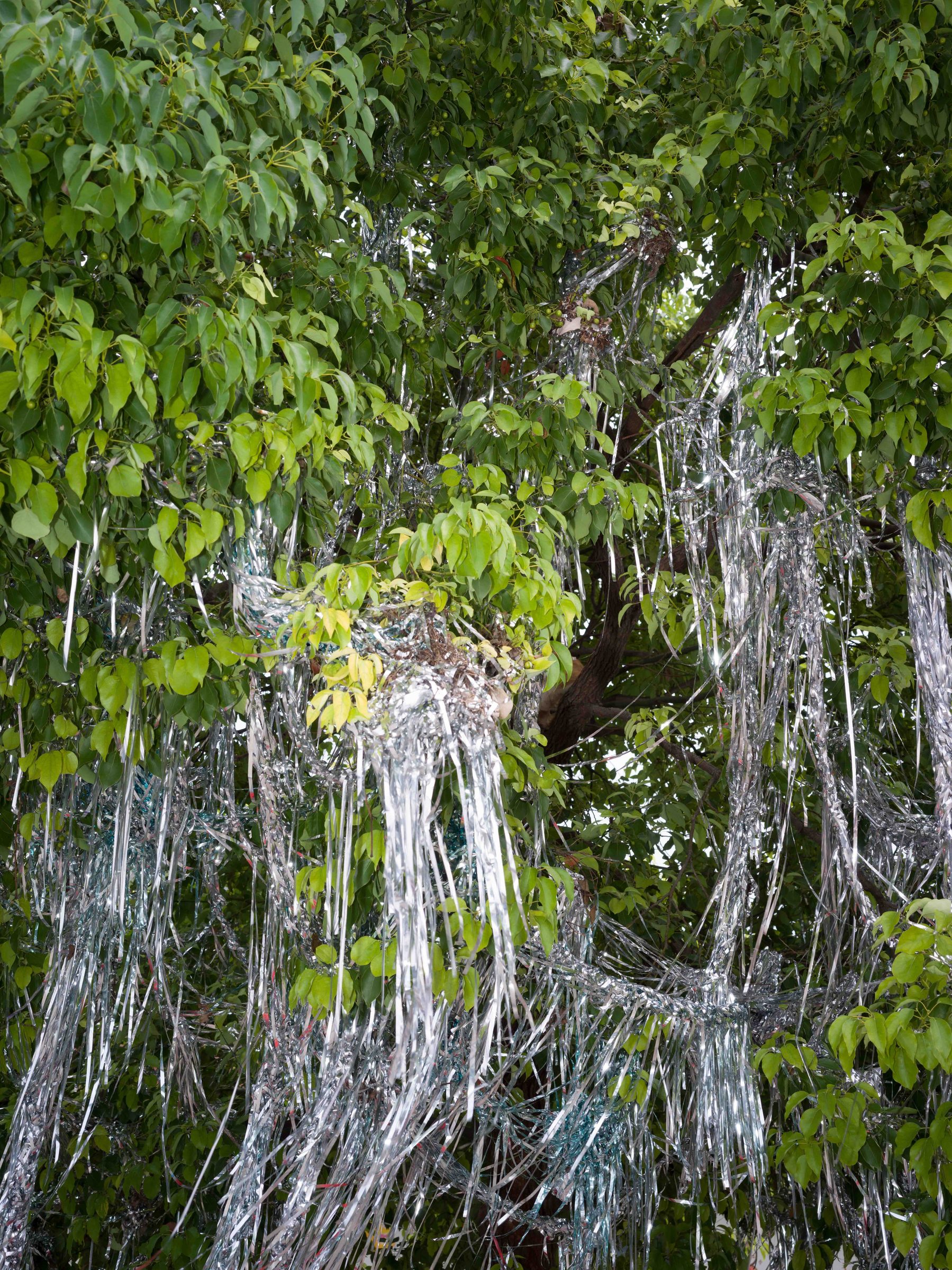
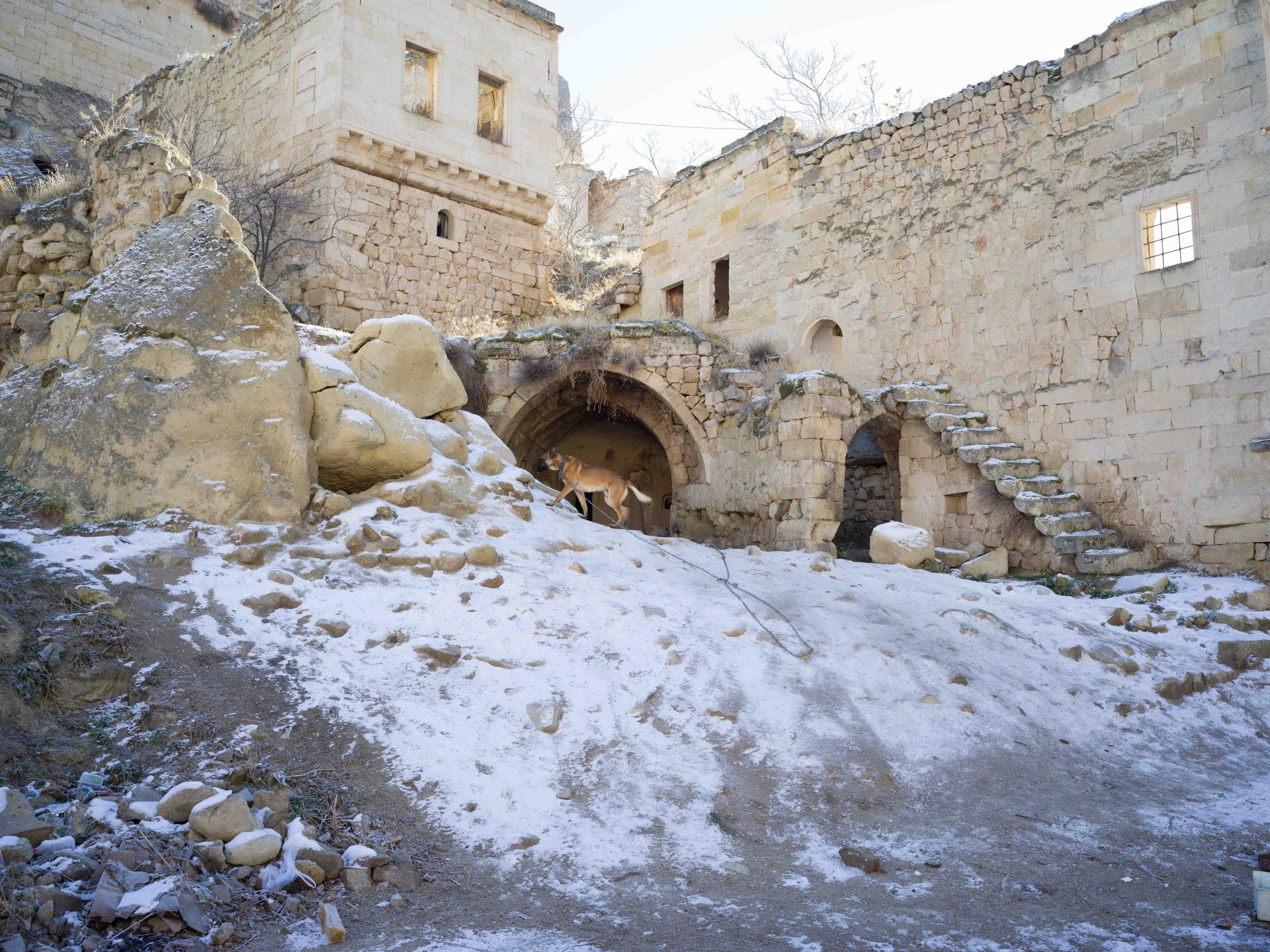
At first, I didn’t know why I kept photographing these places.
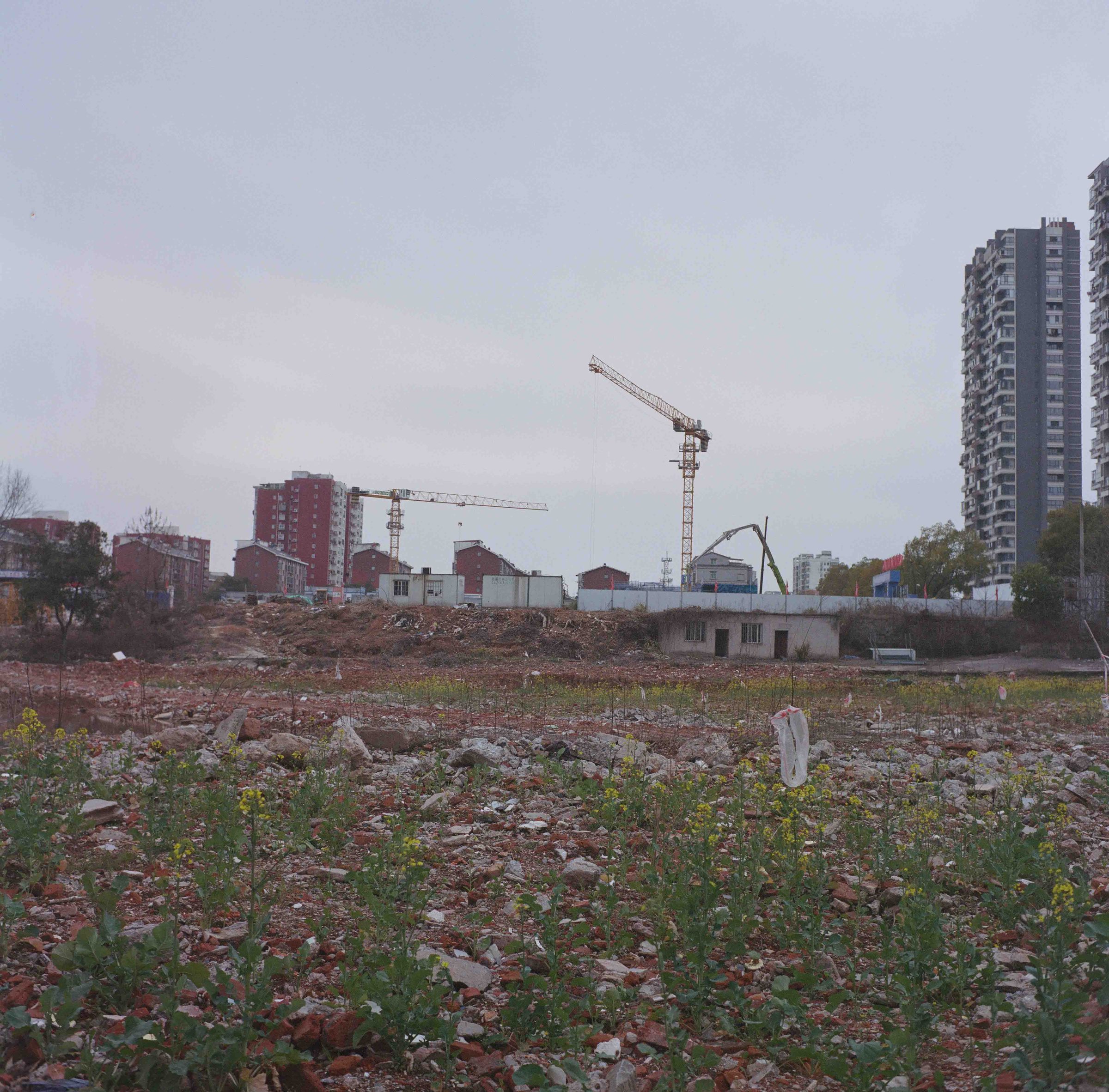
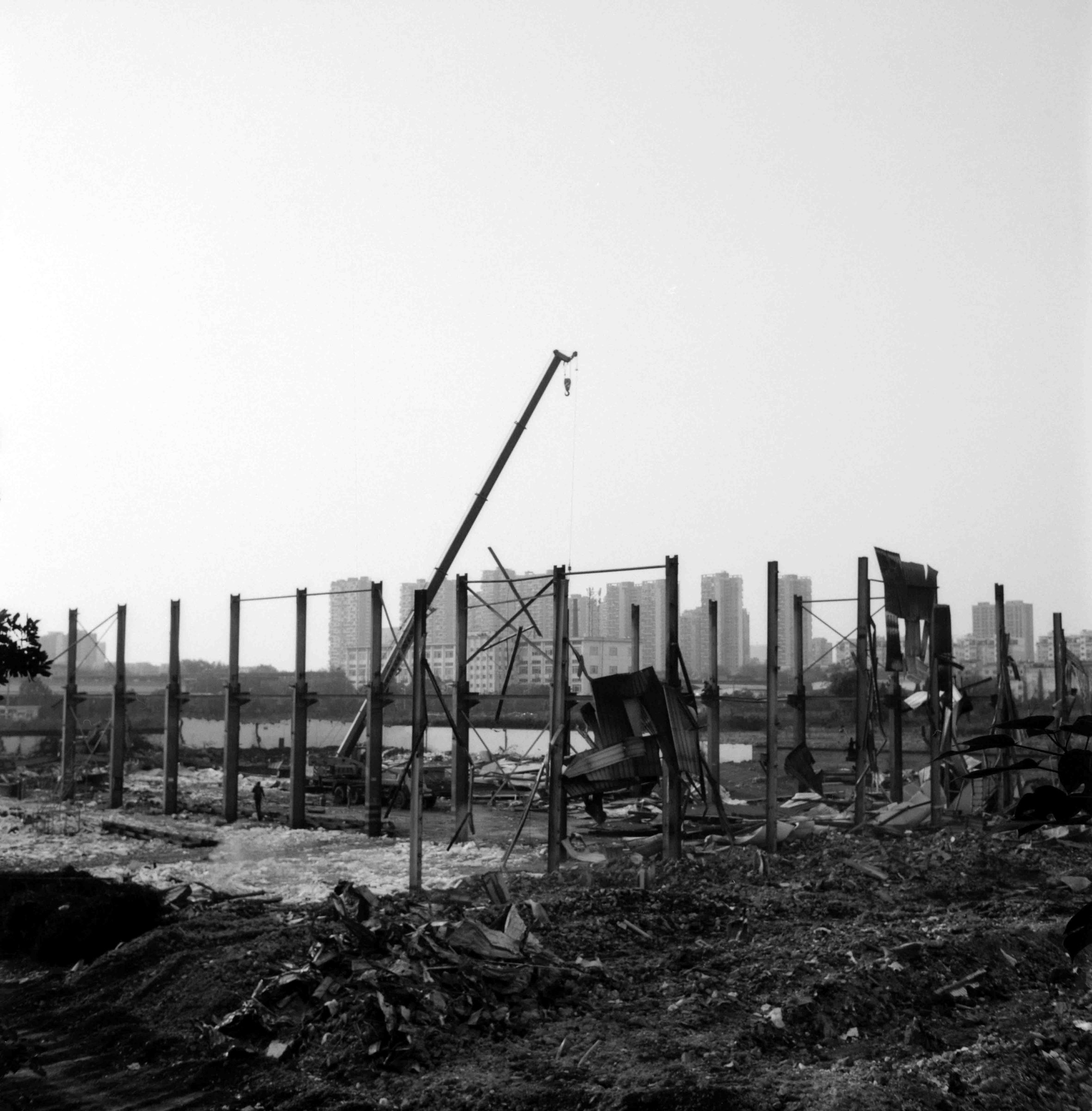
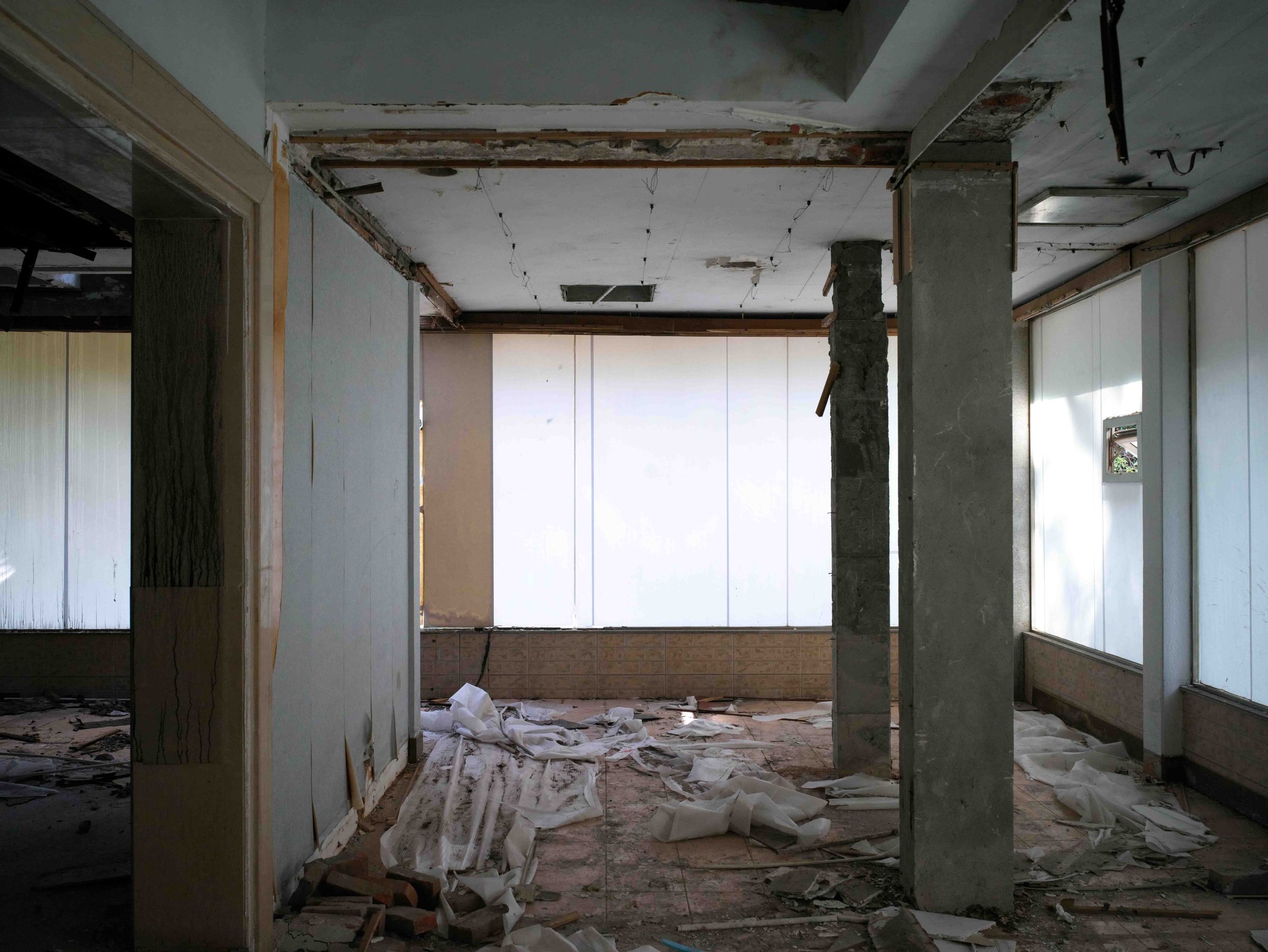
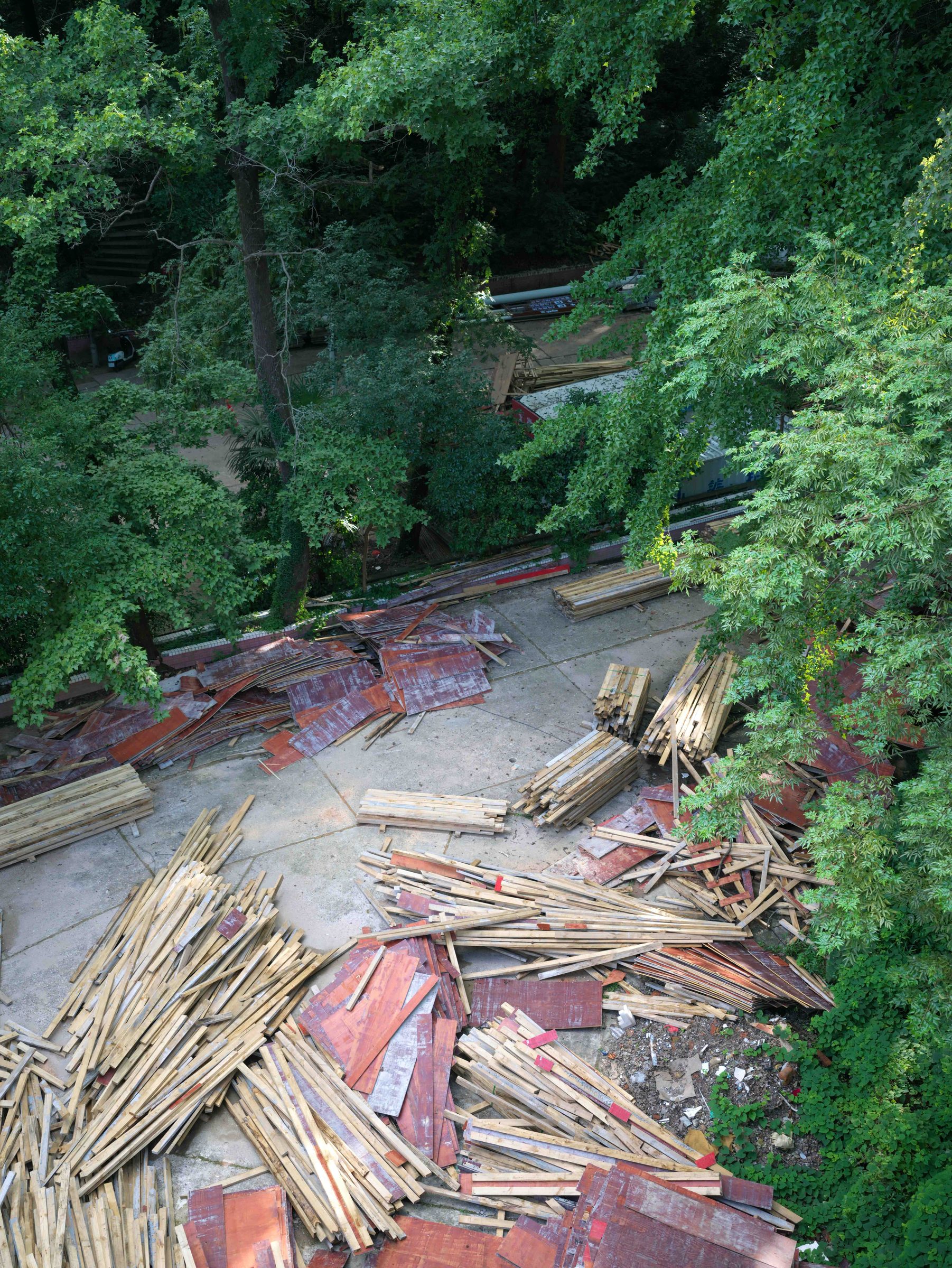
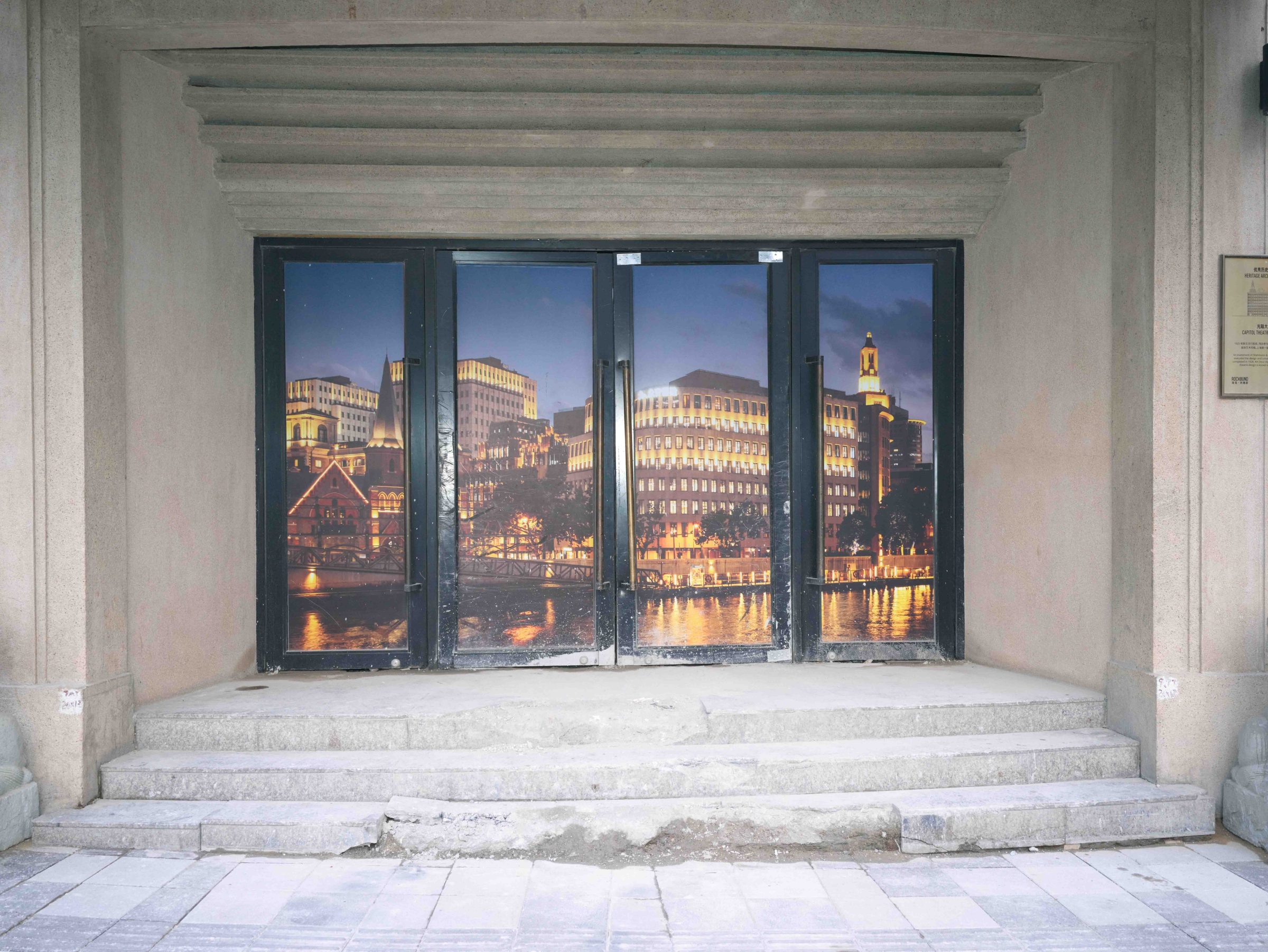
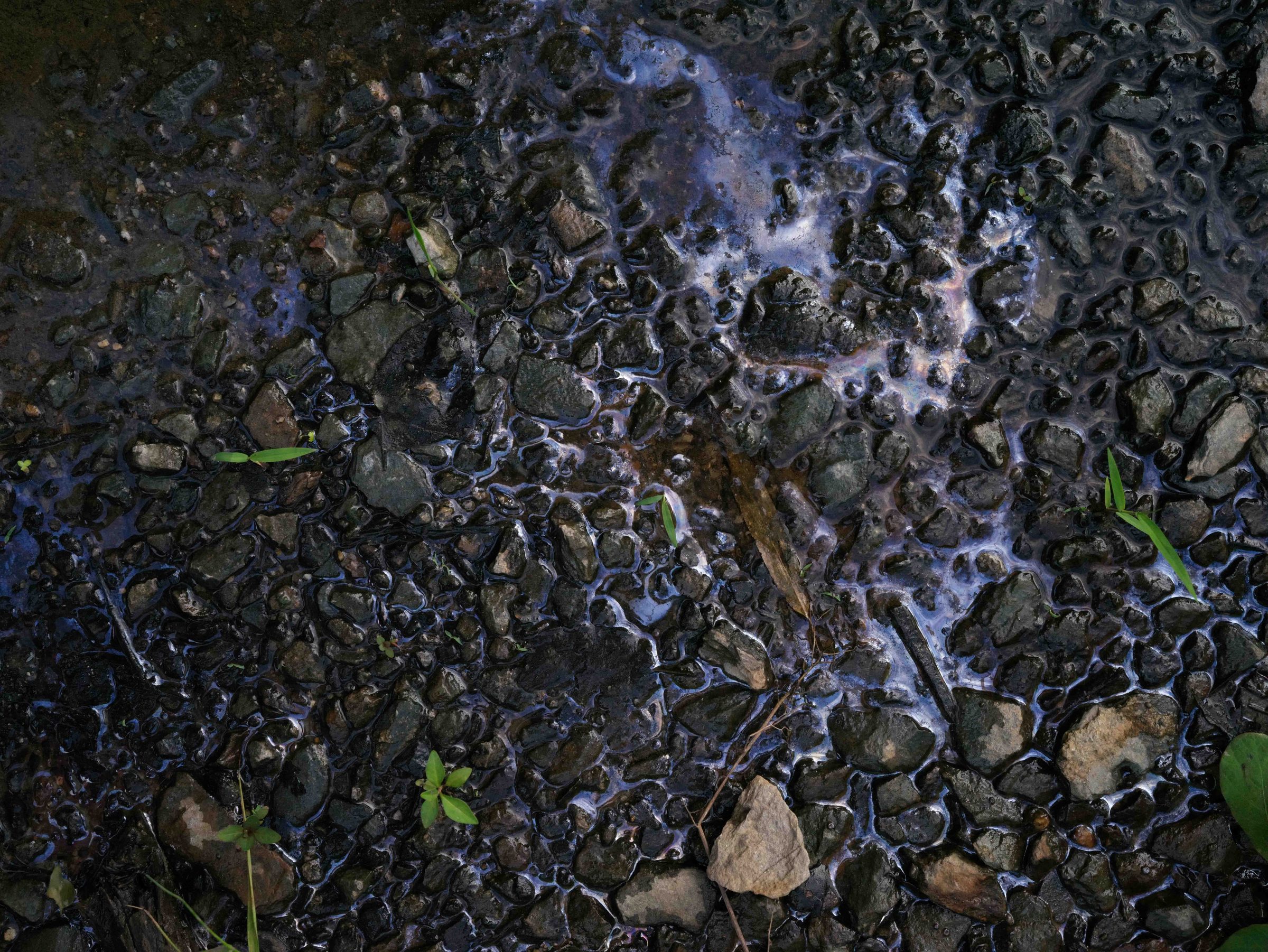
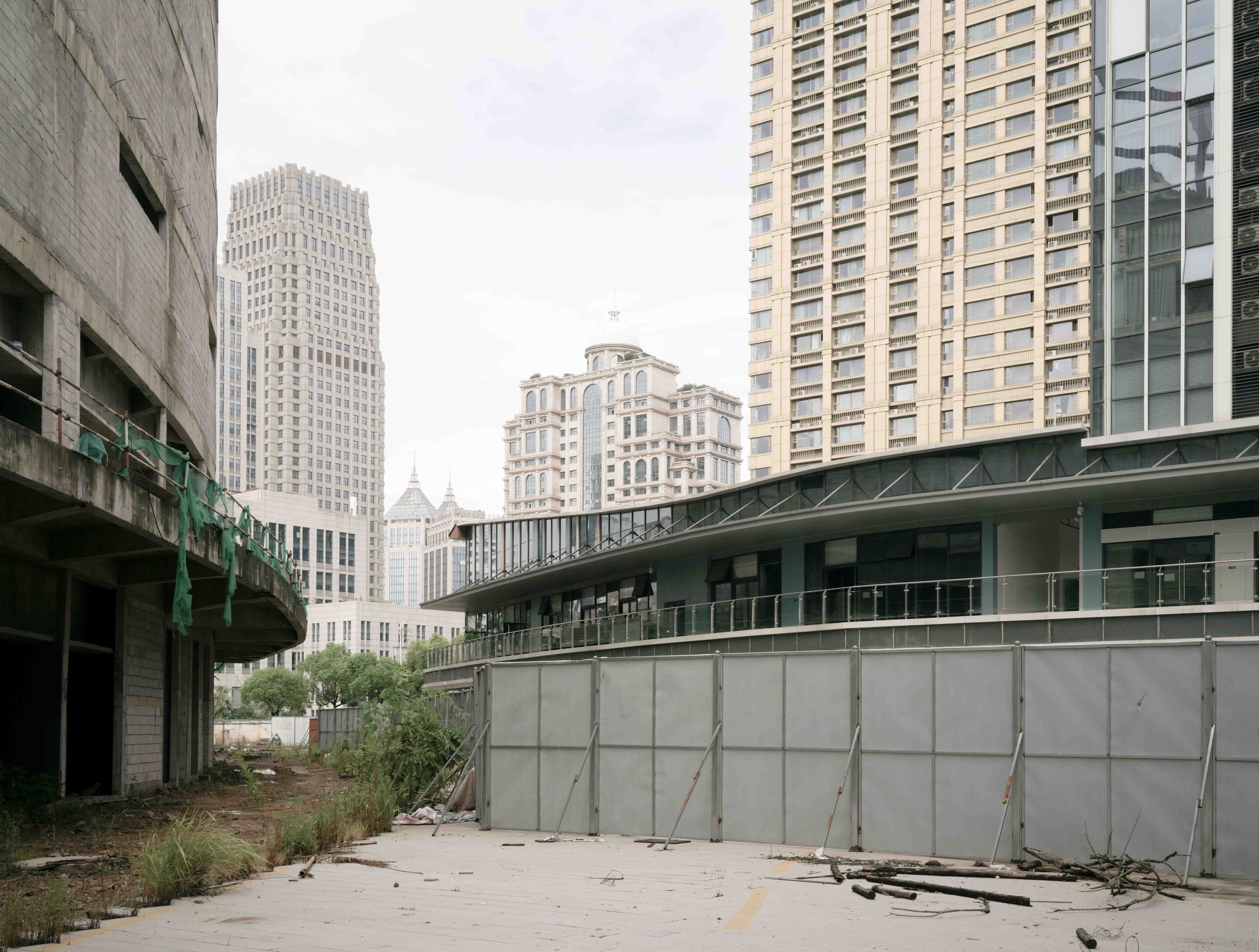
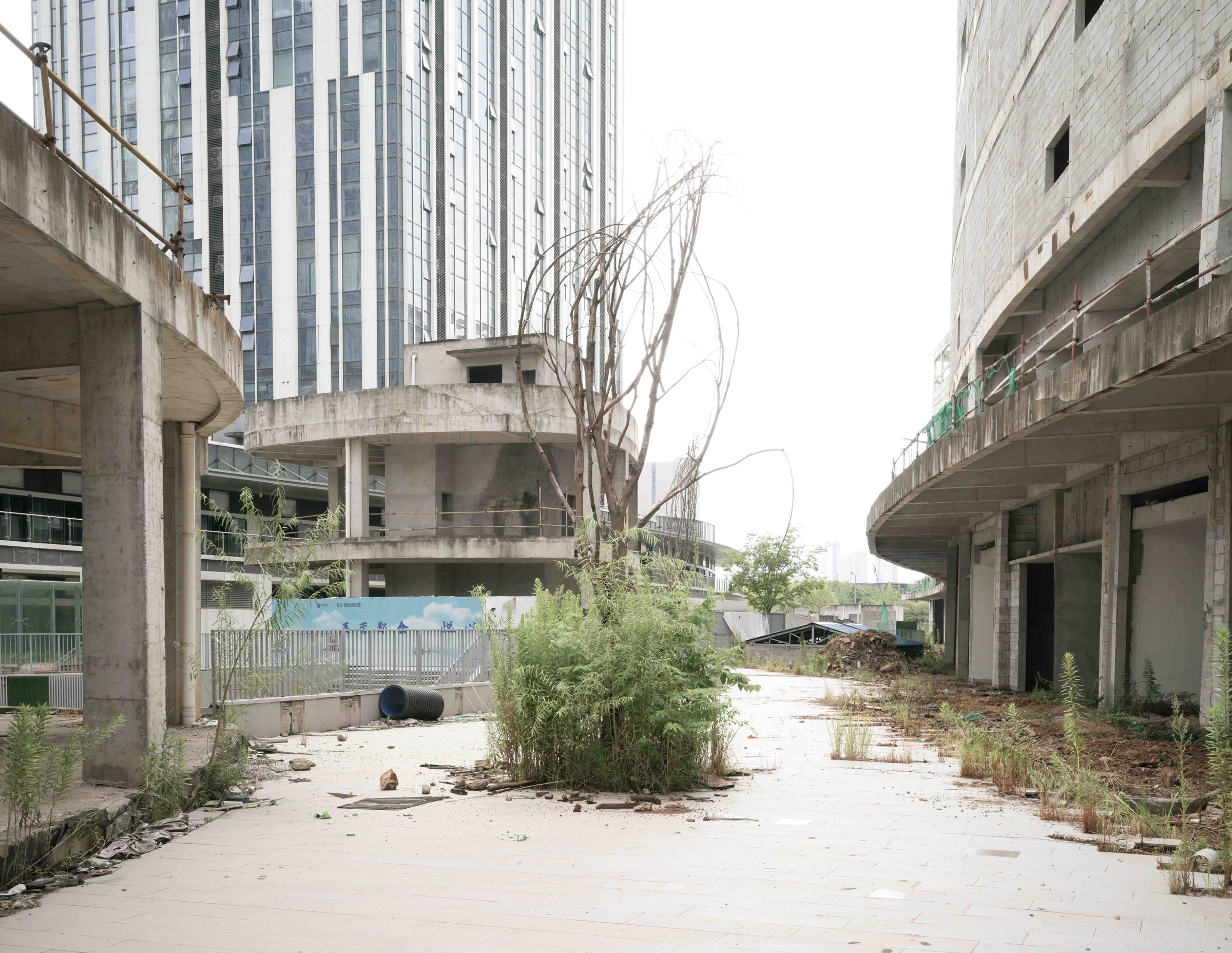
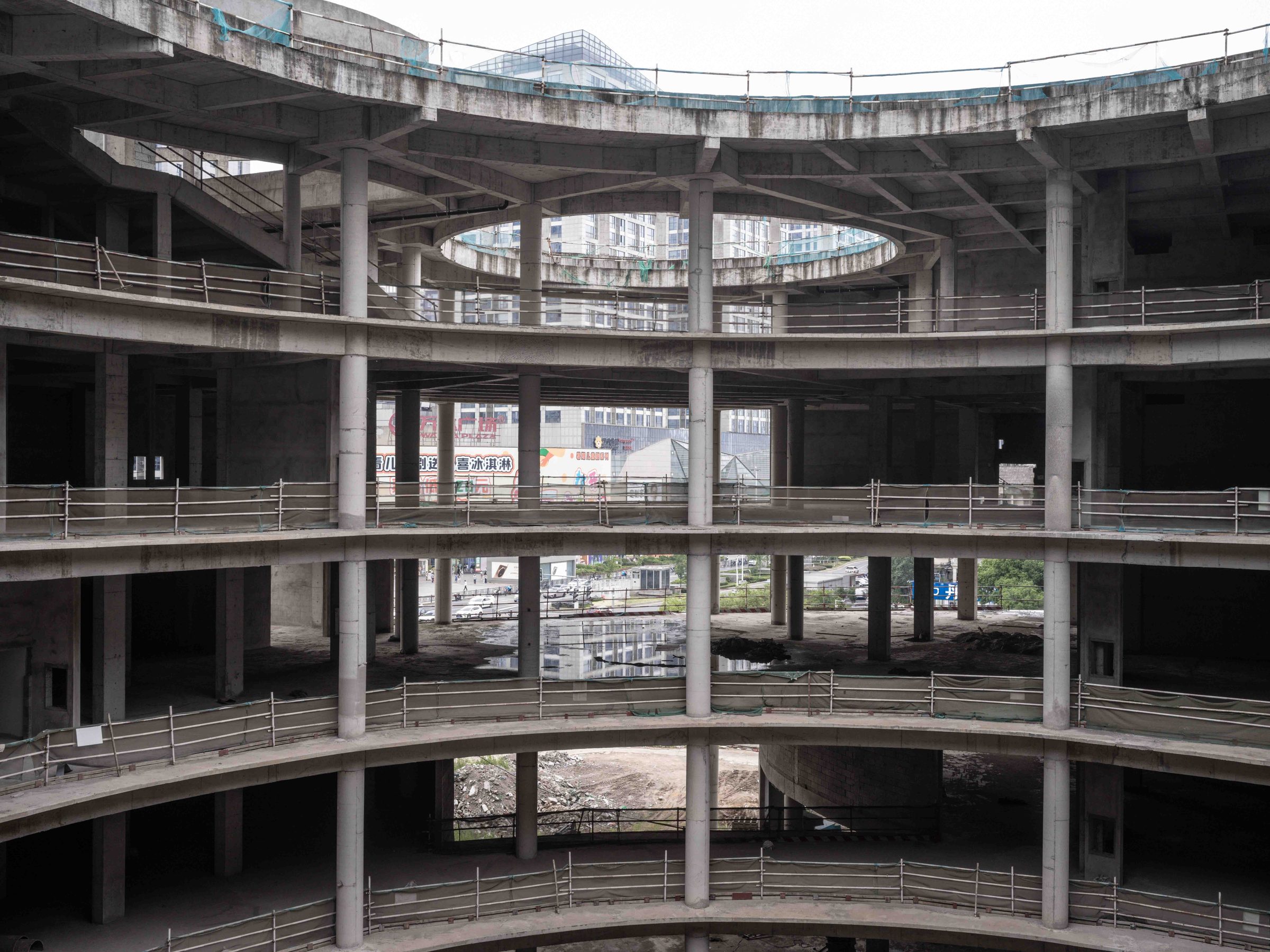
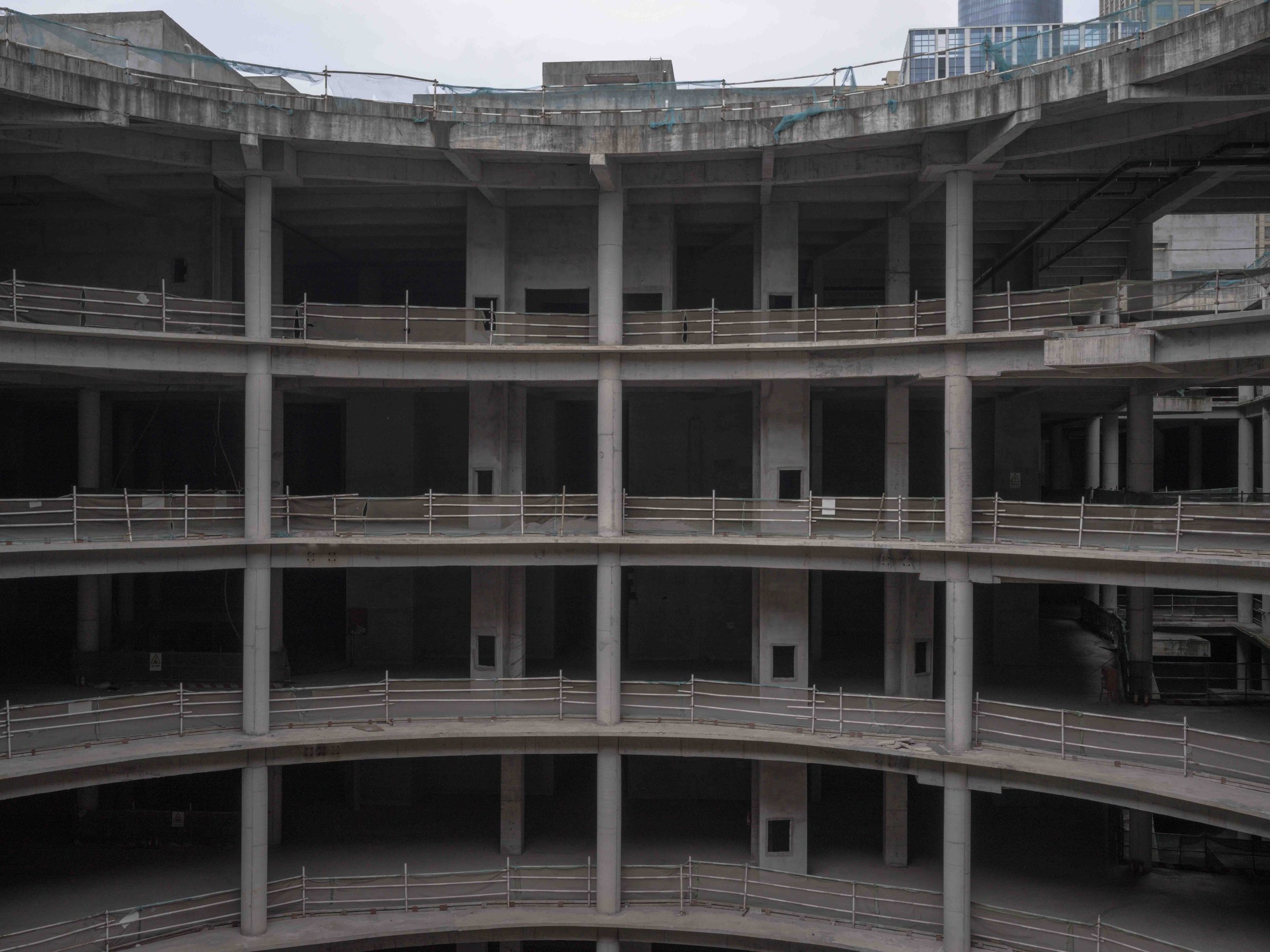
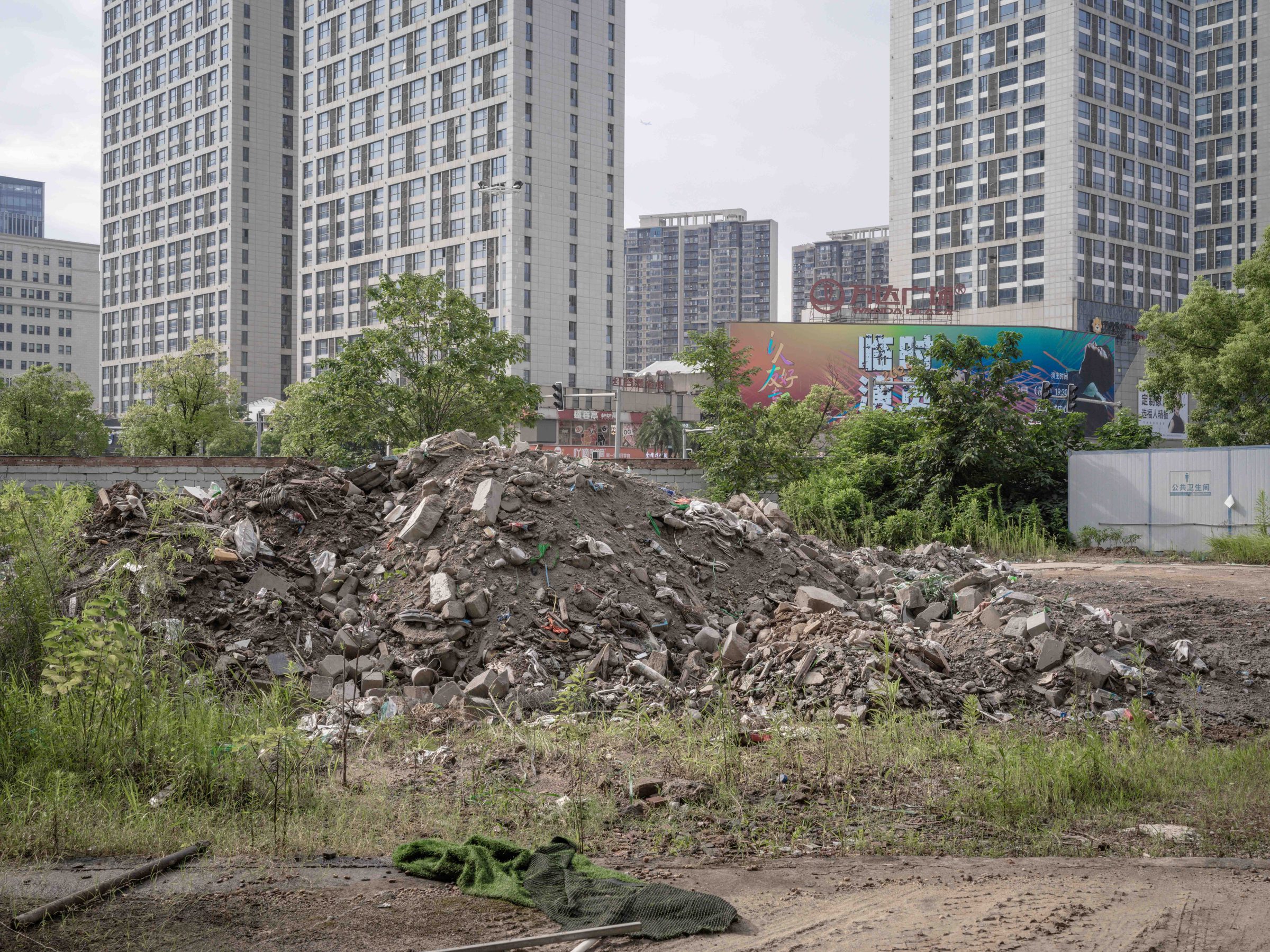
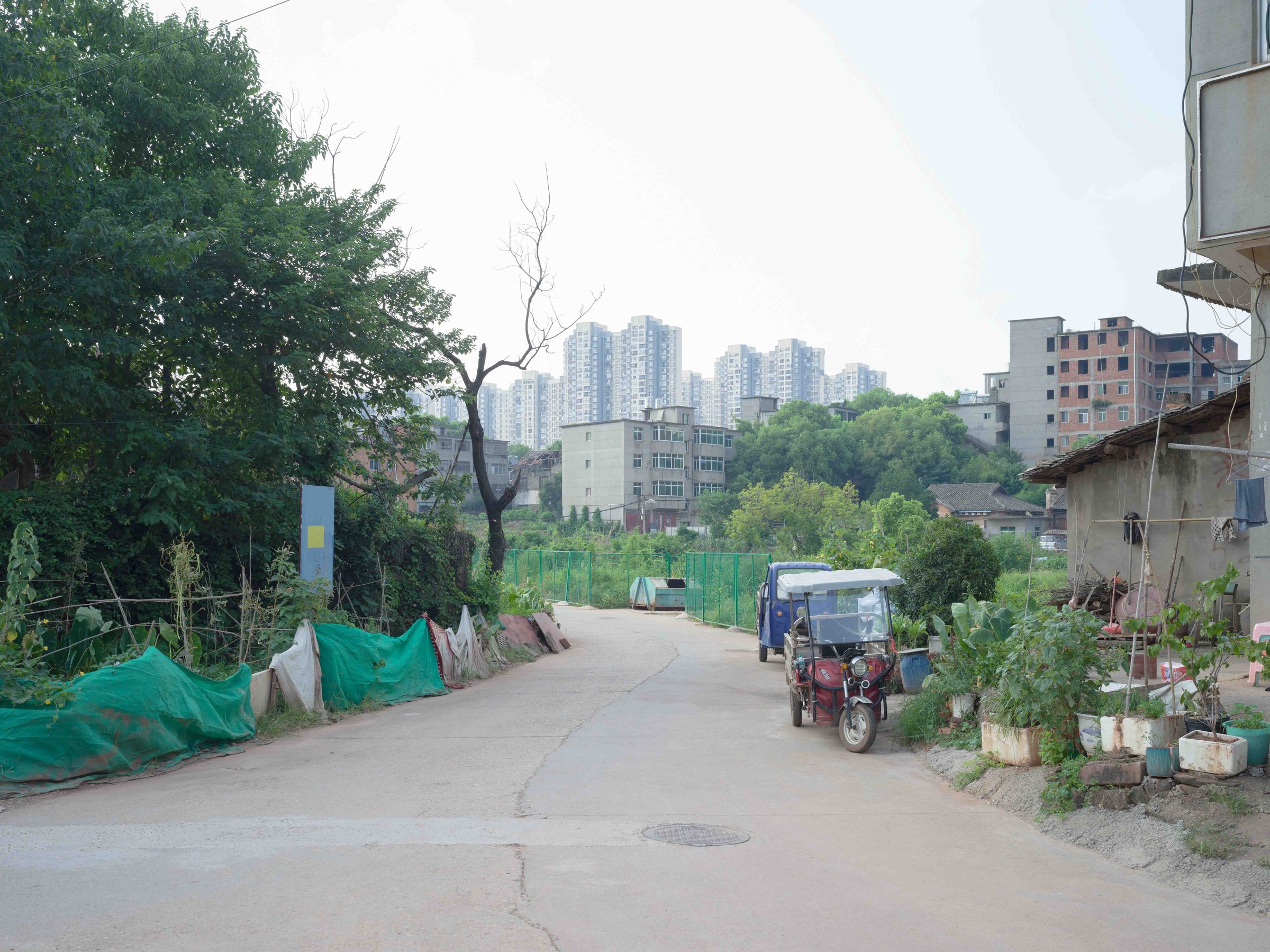
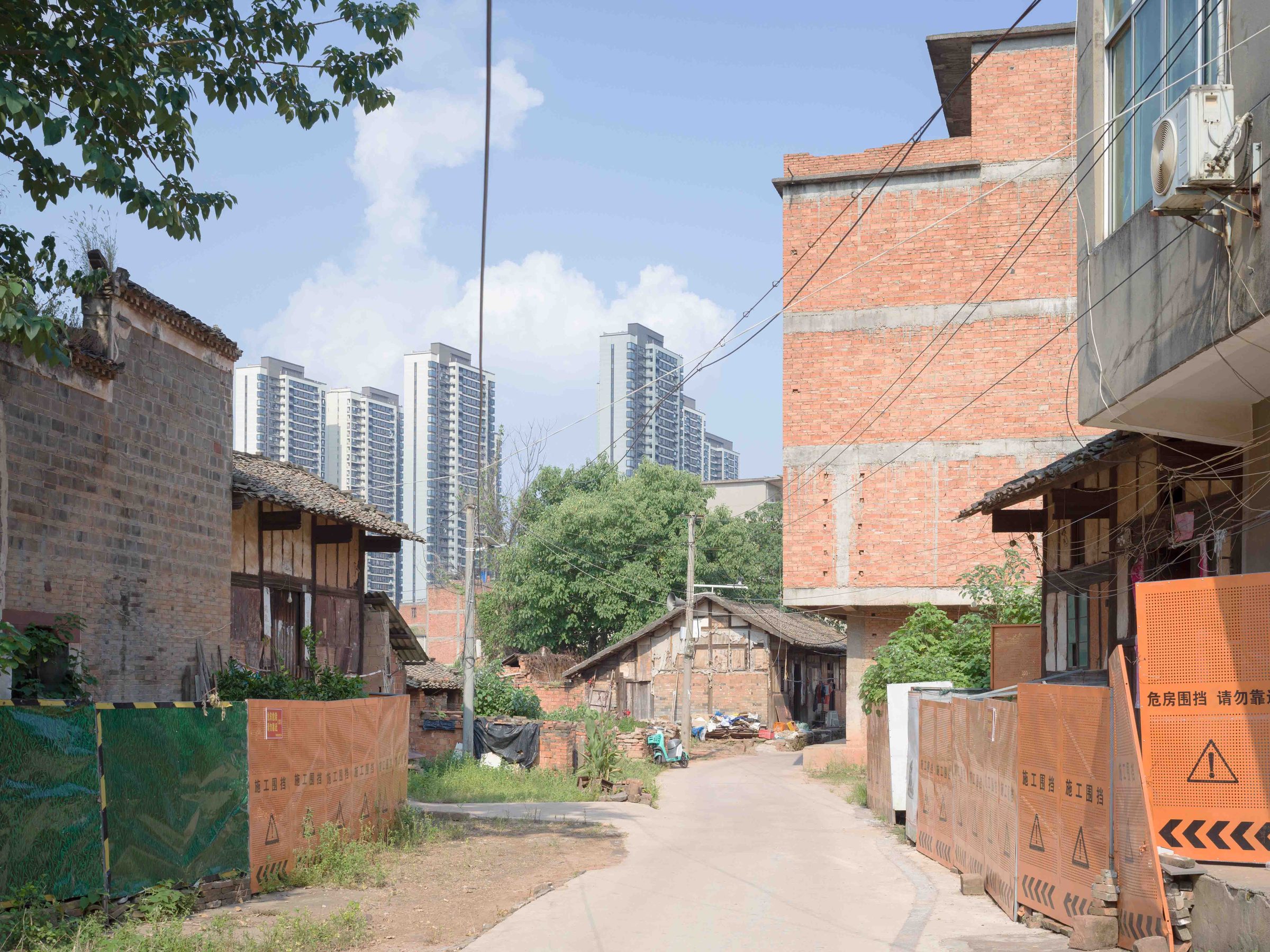
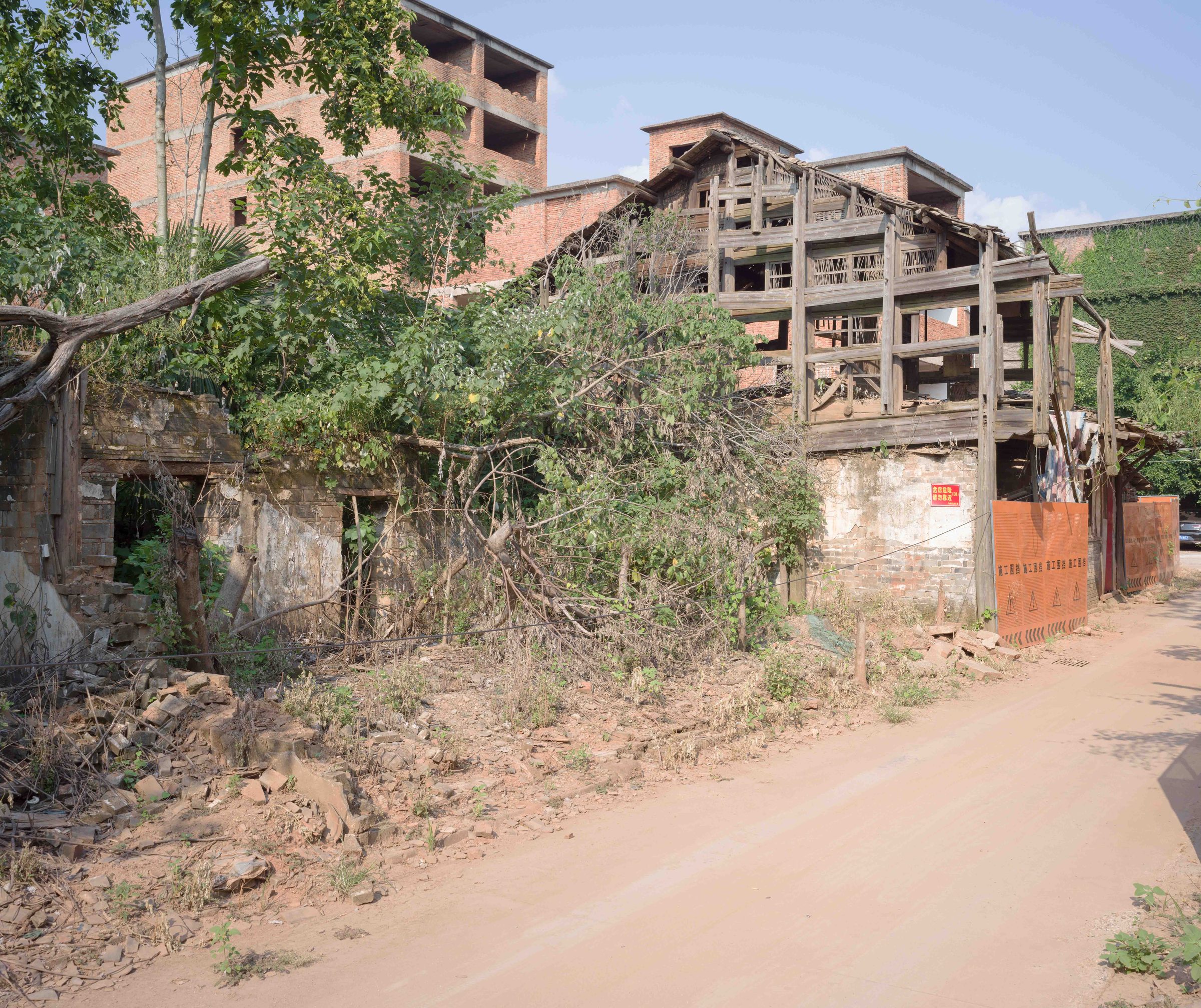
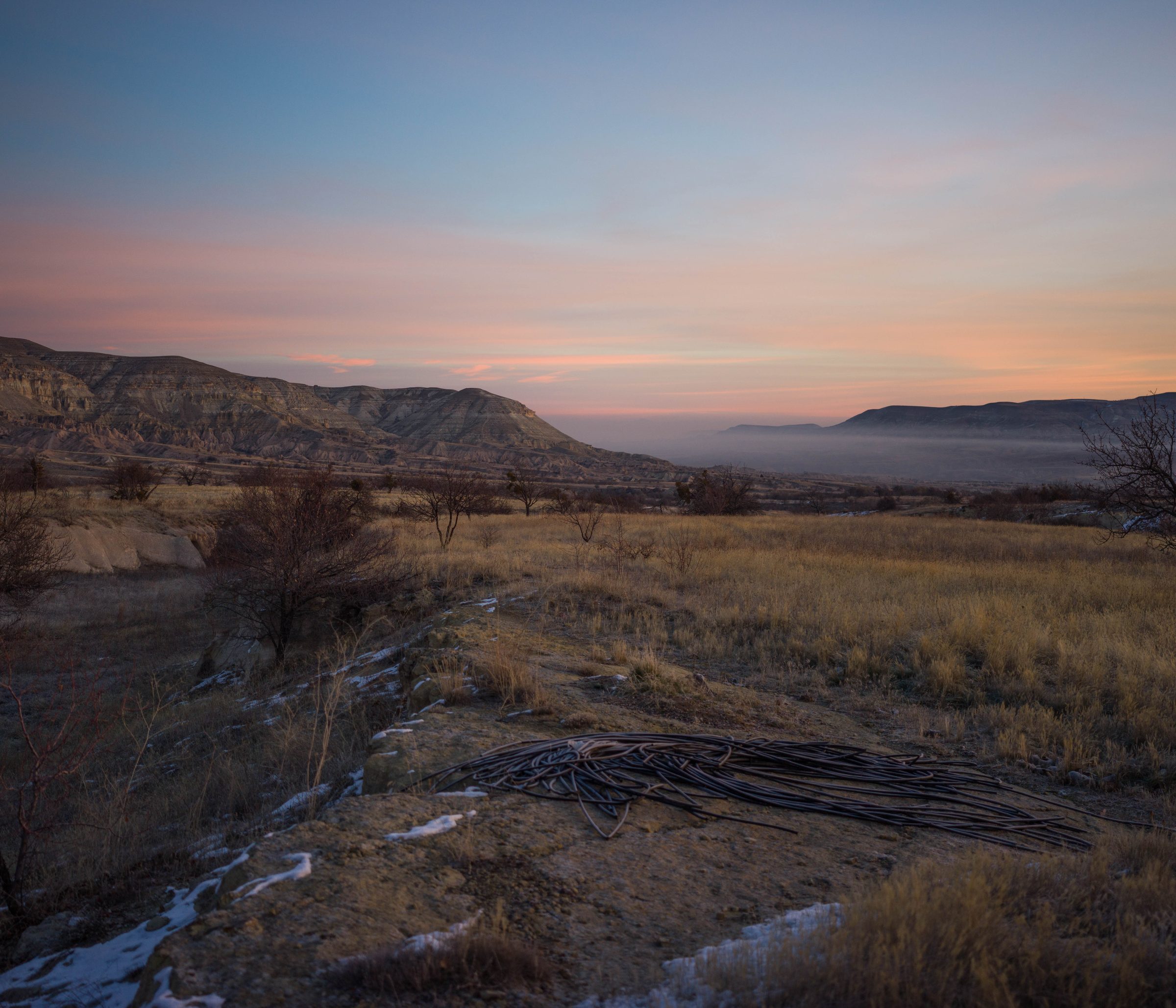
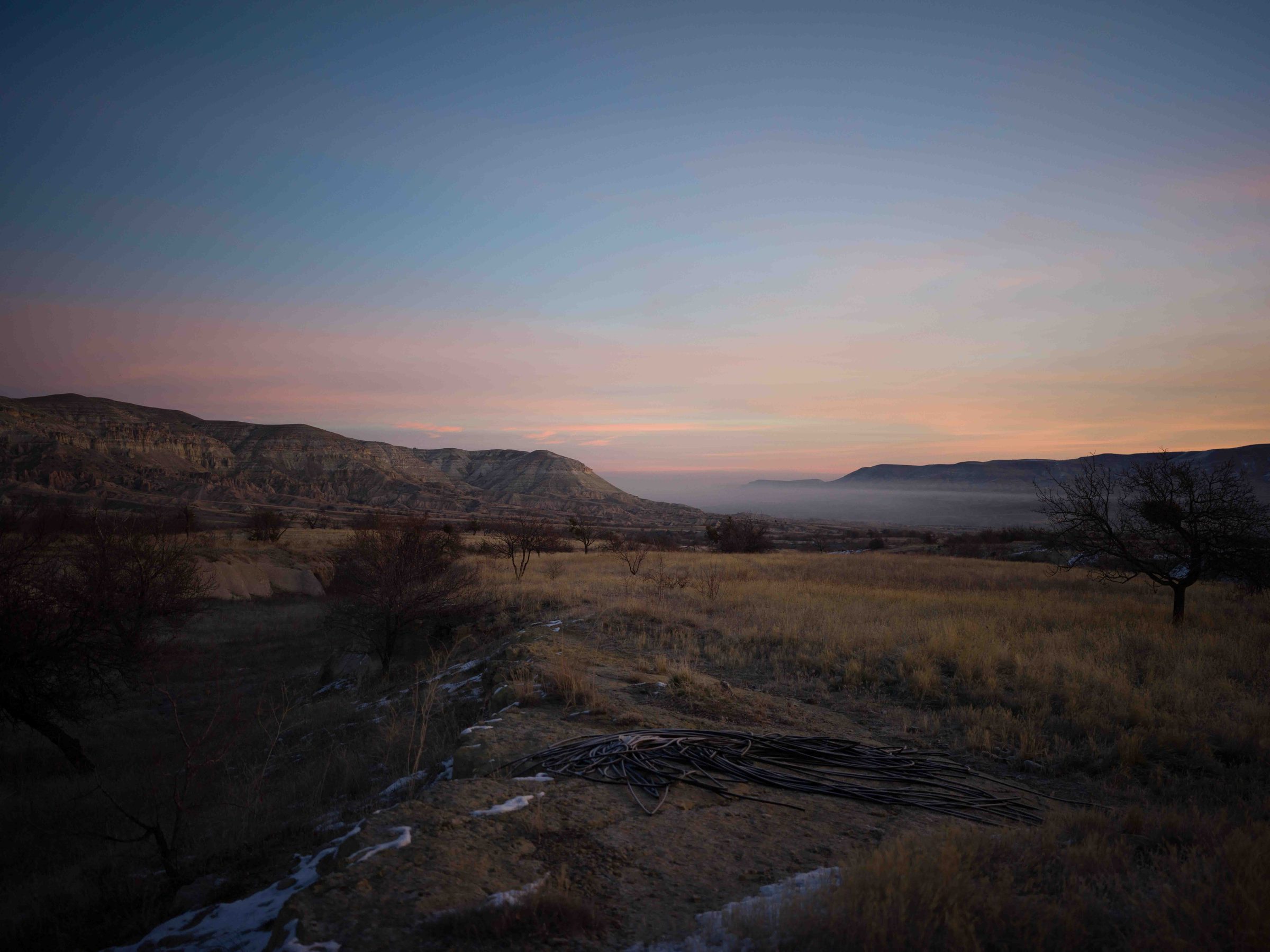
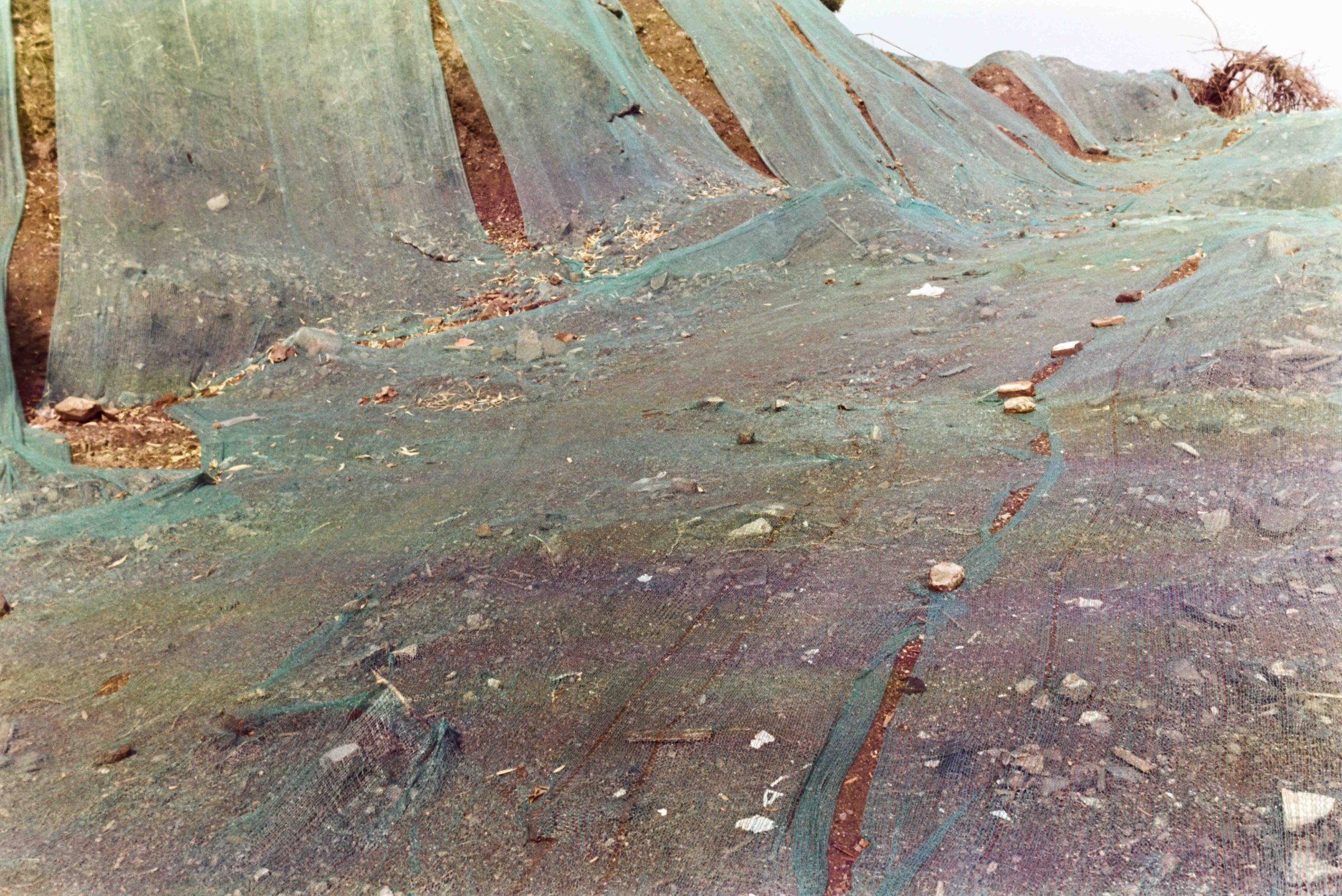
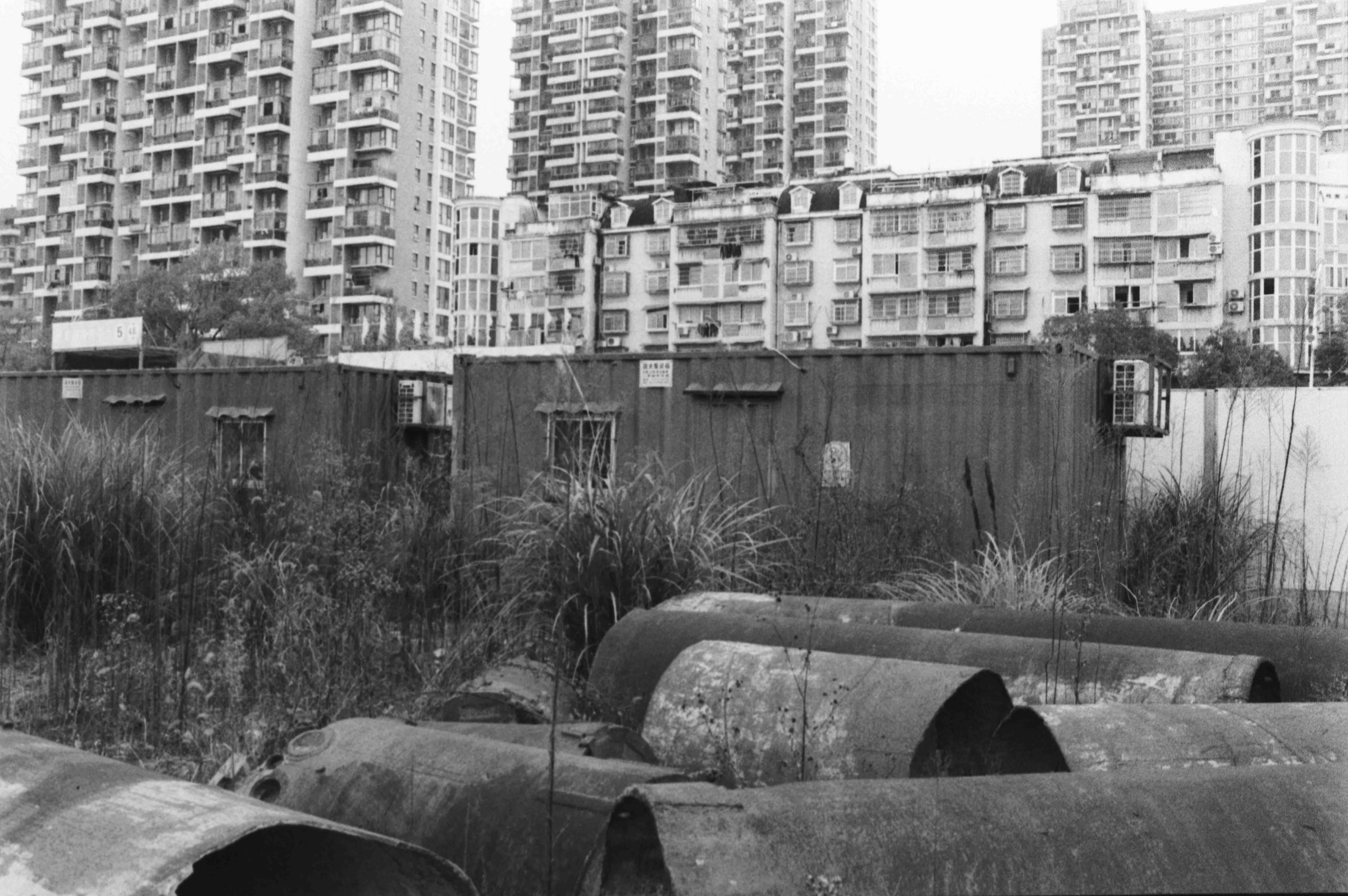
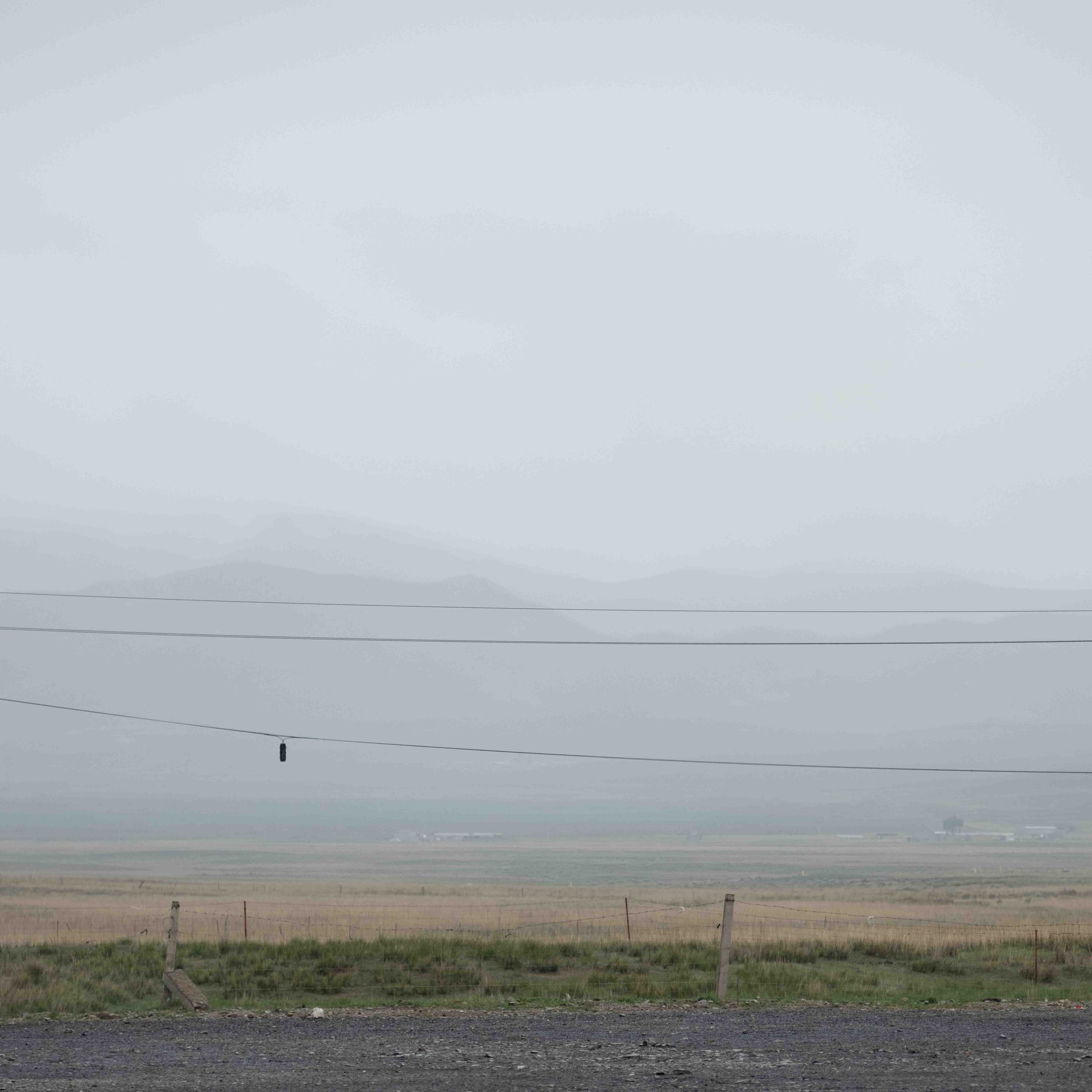
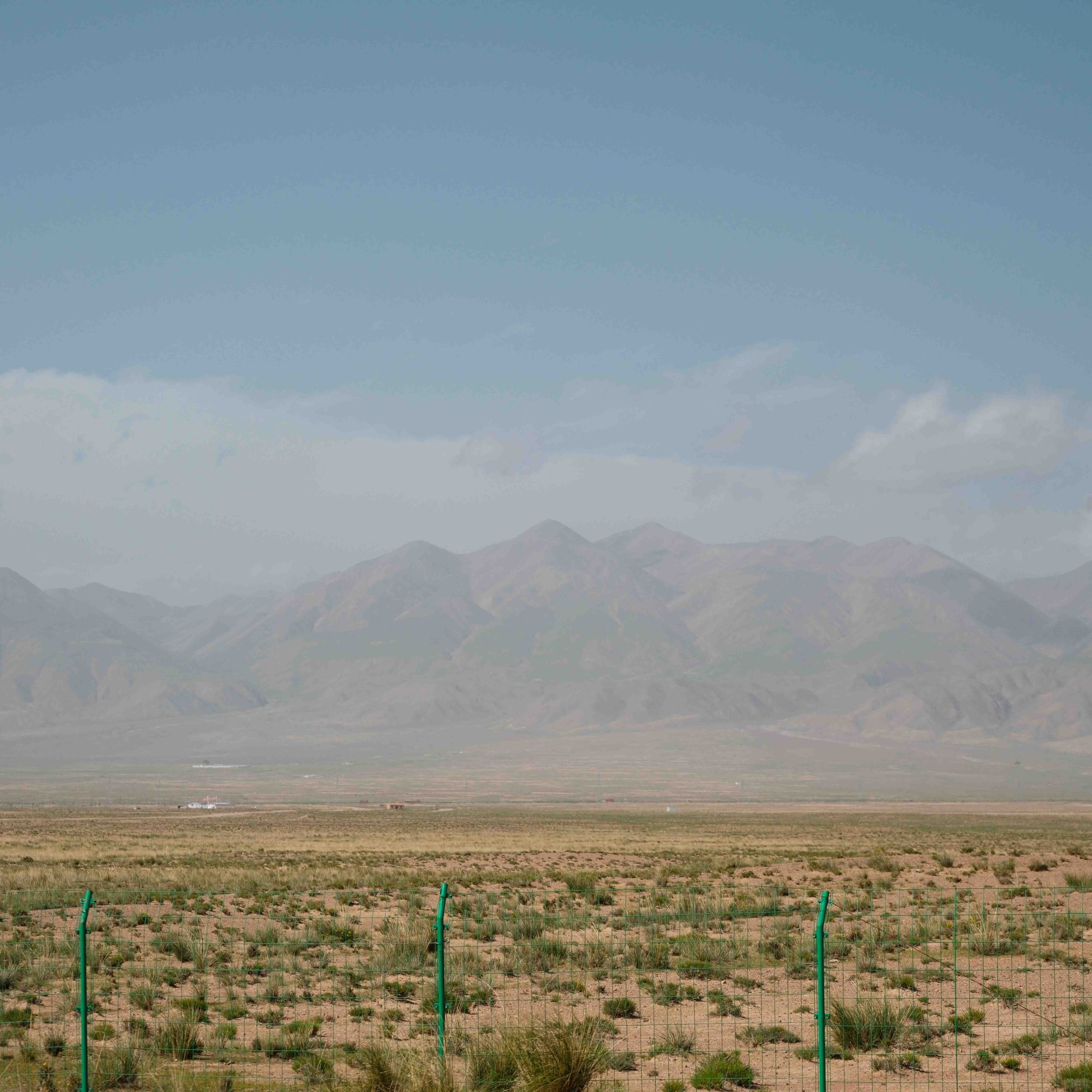
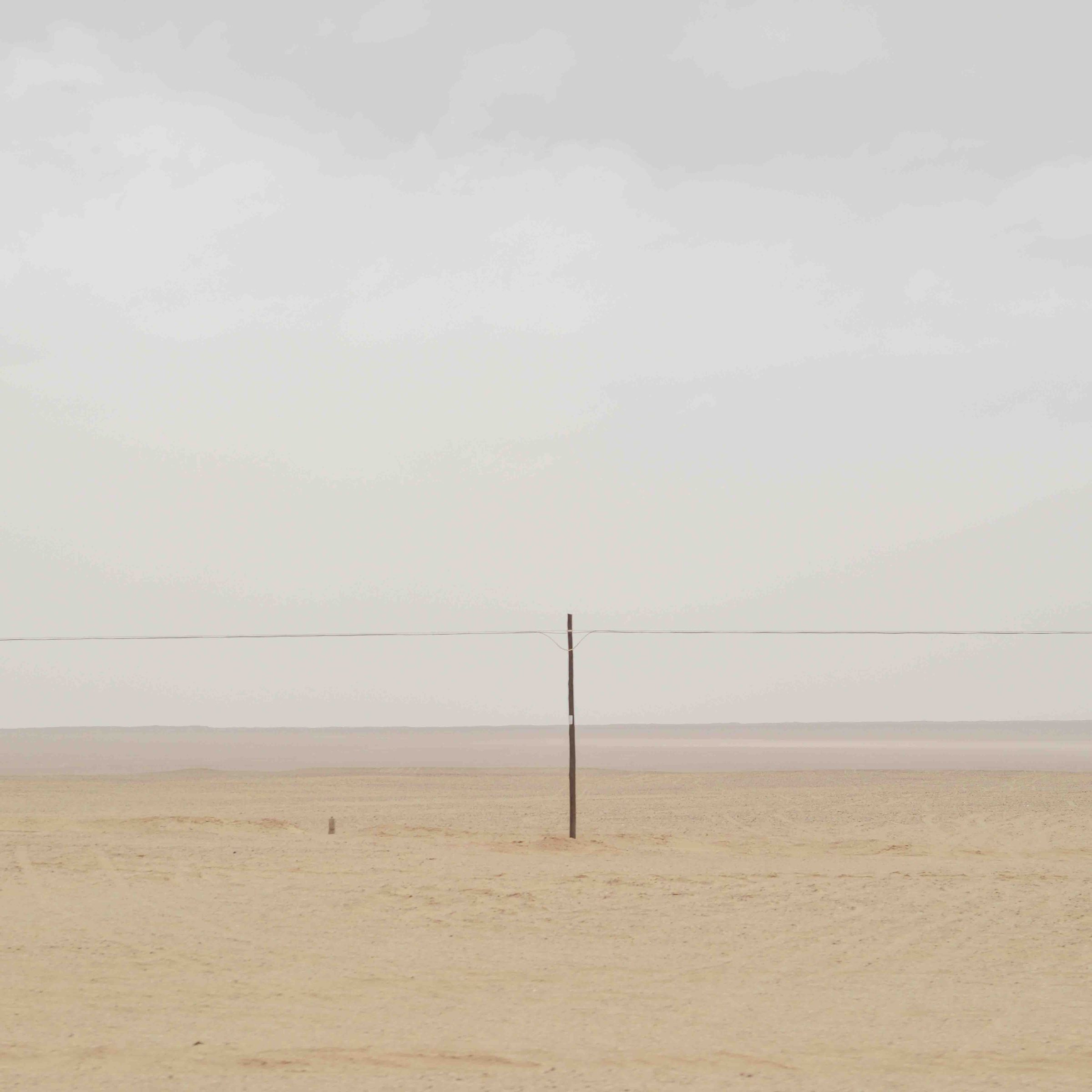
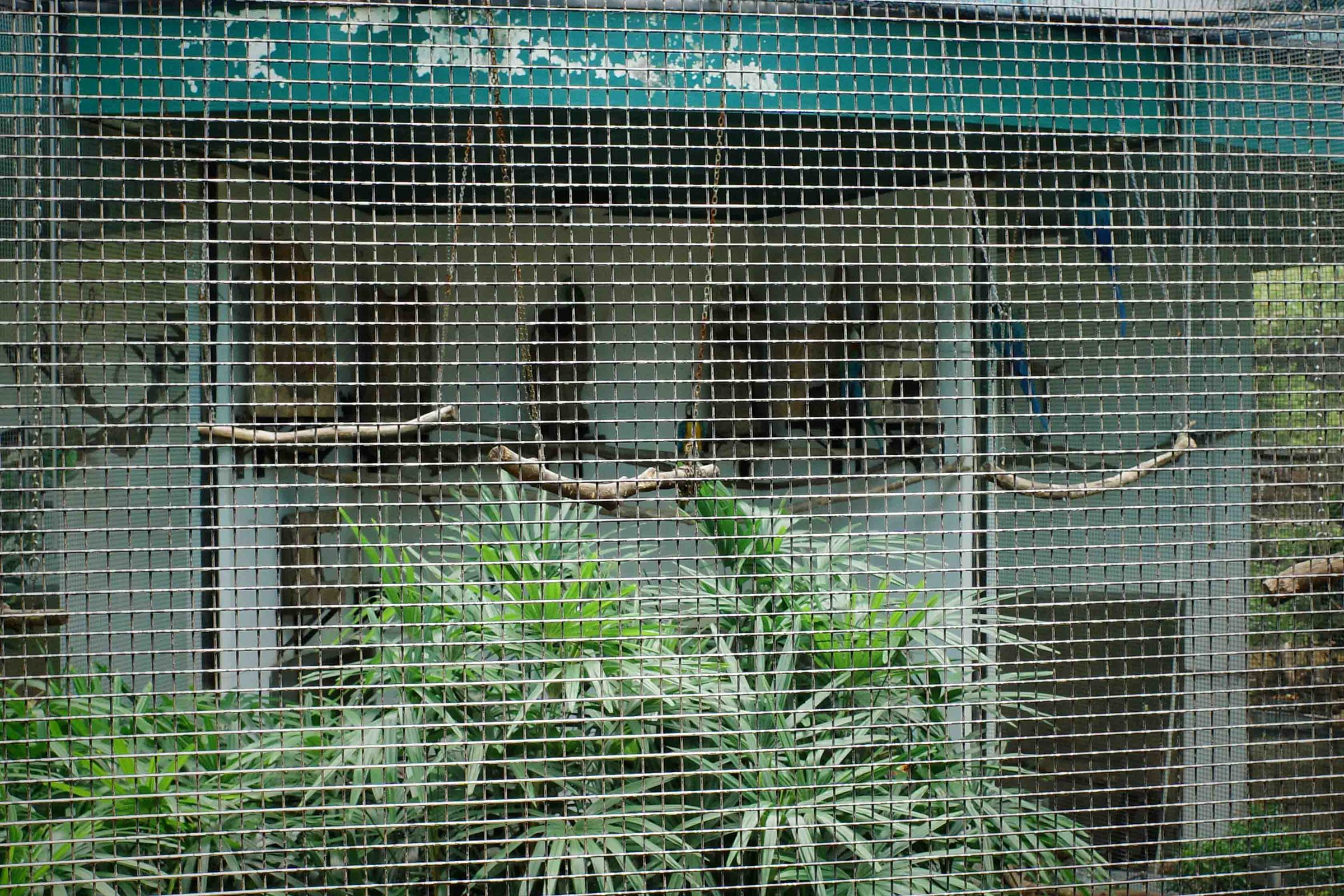
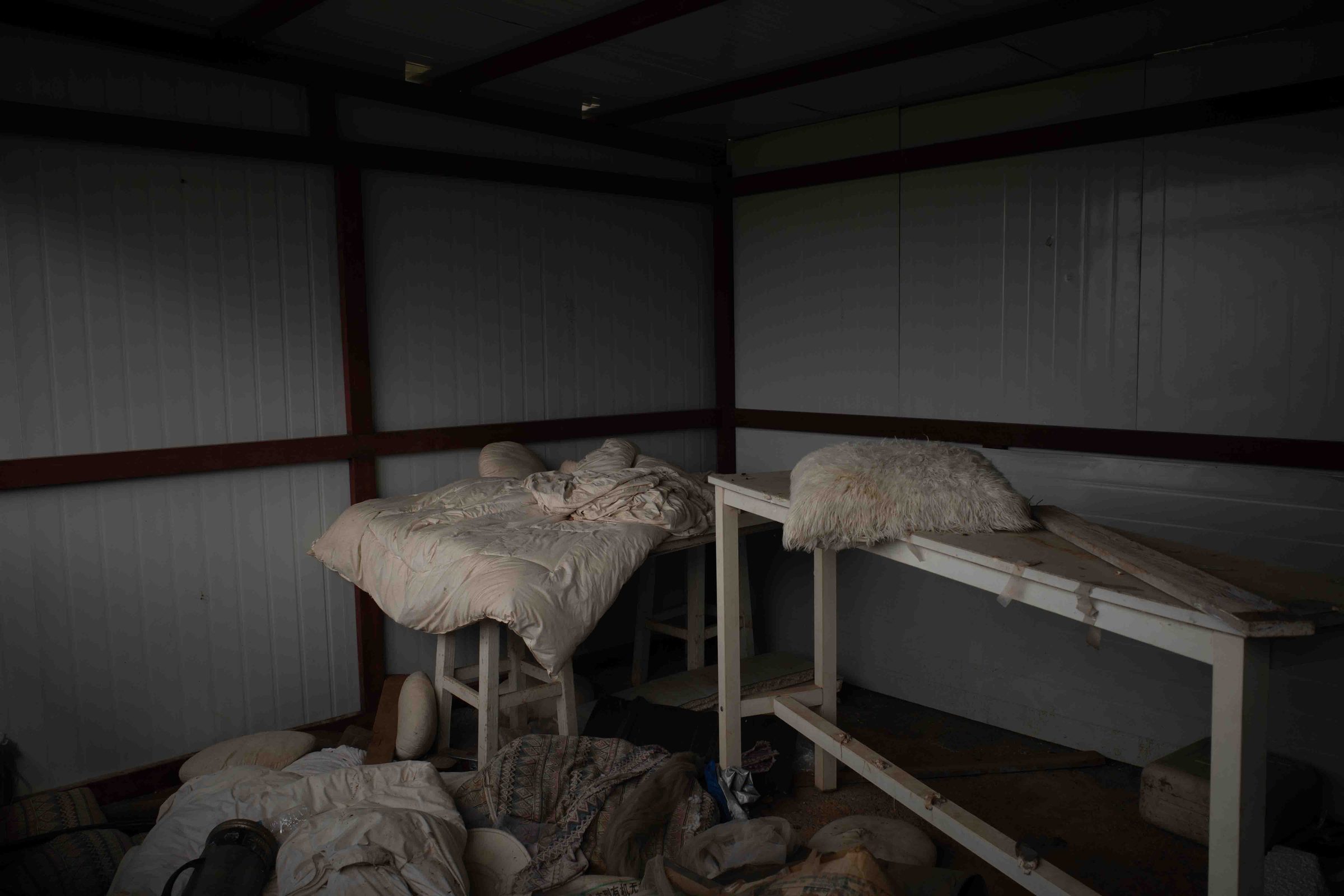
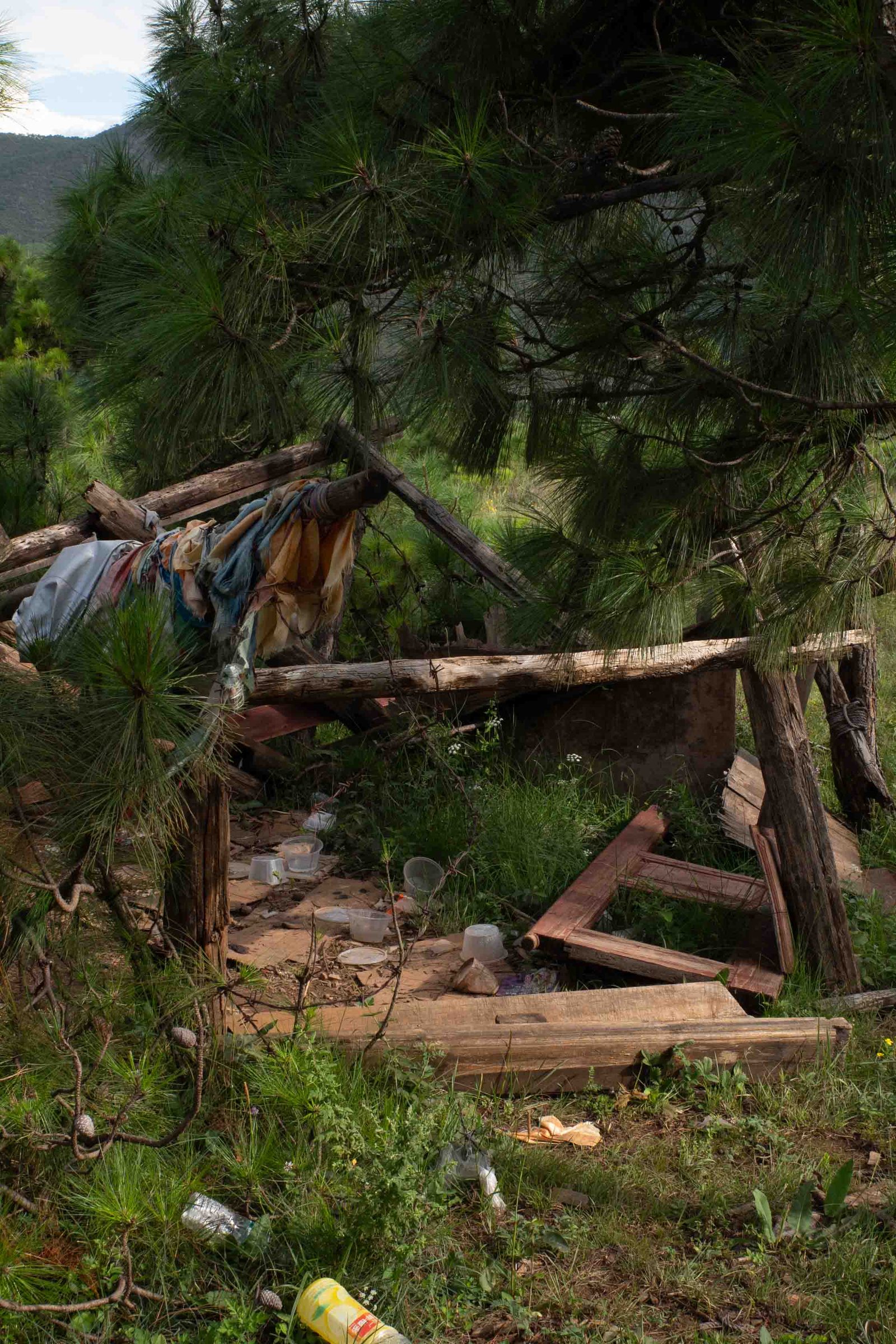
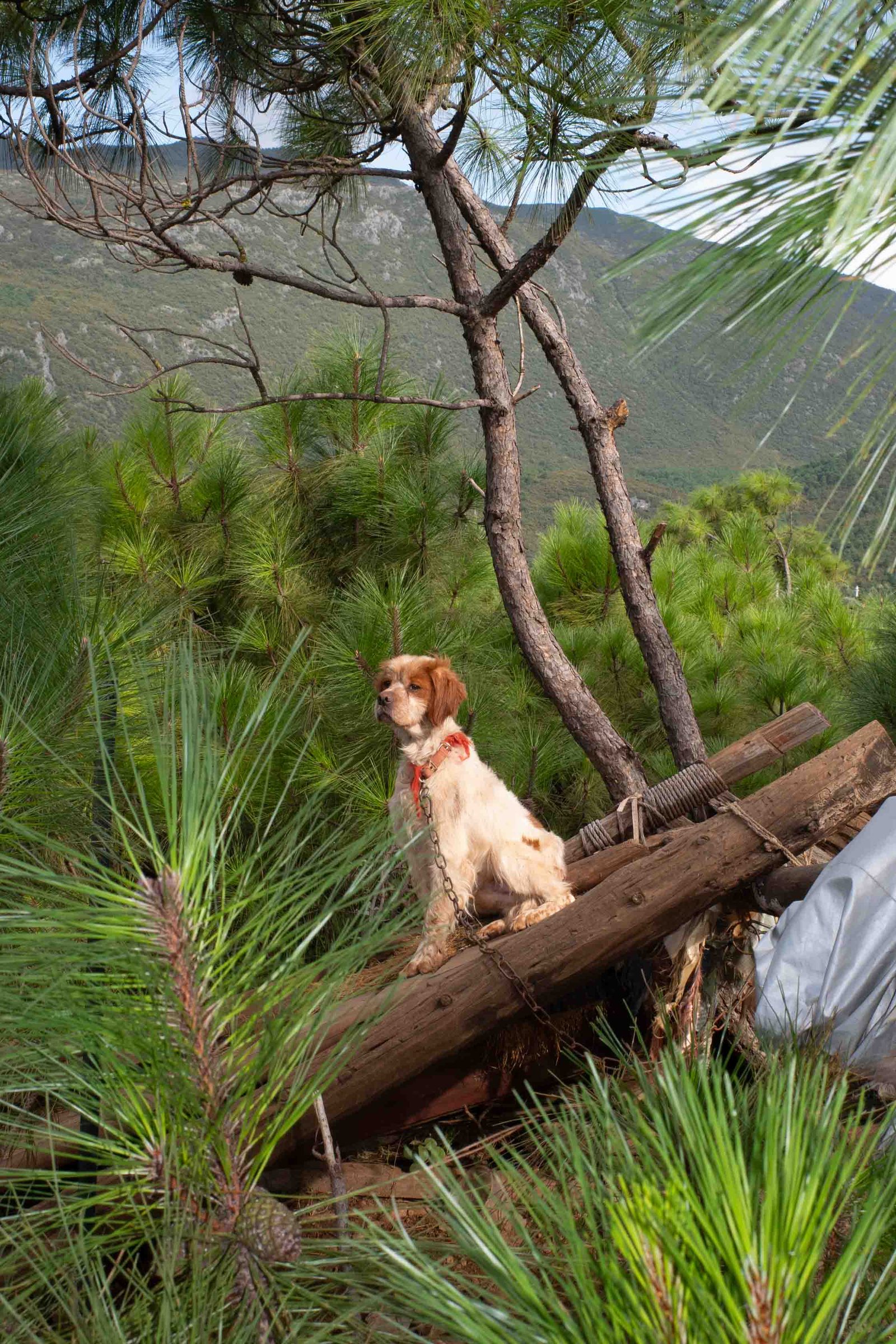
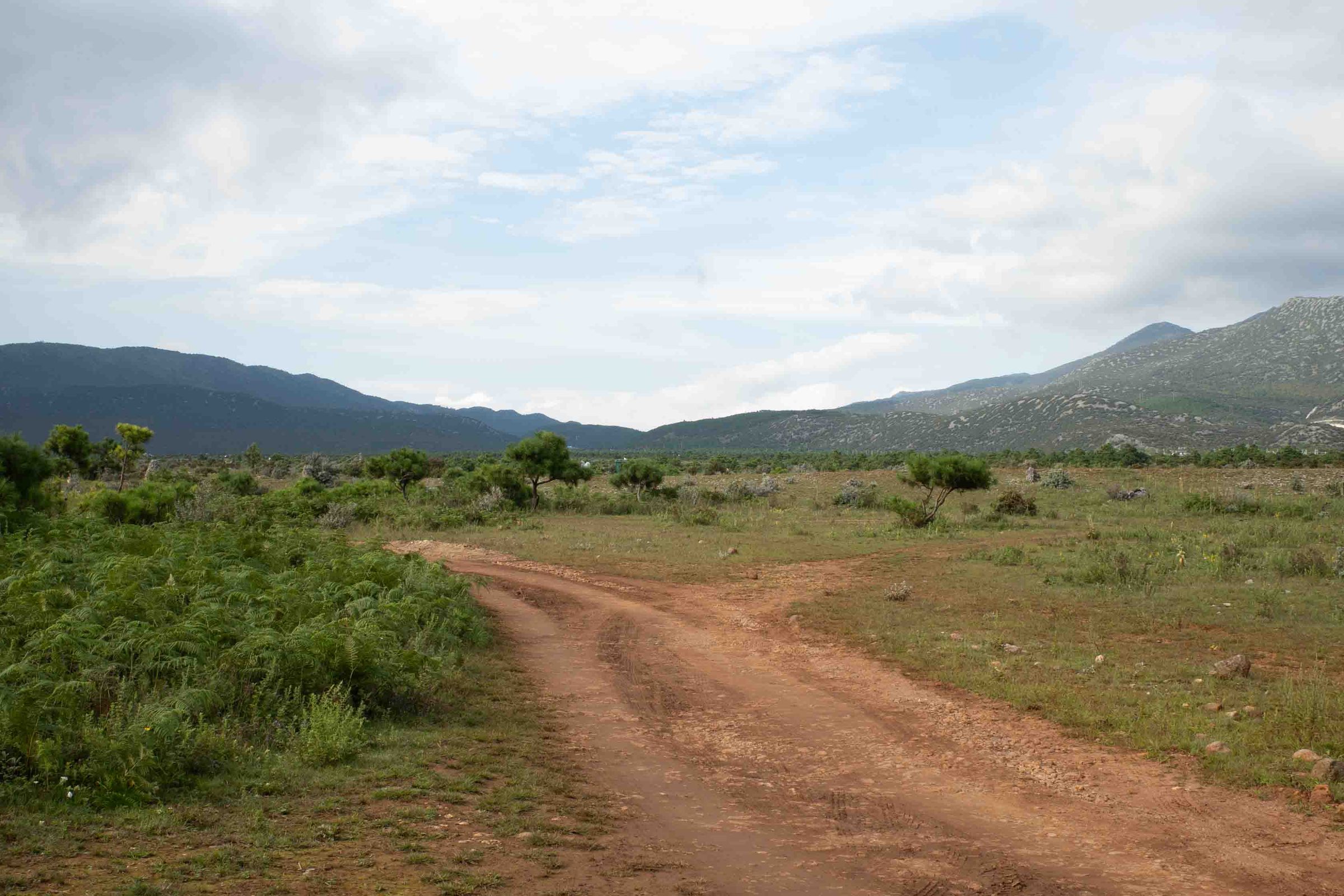
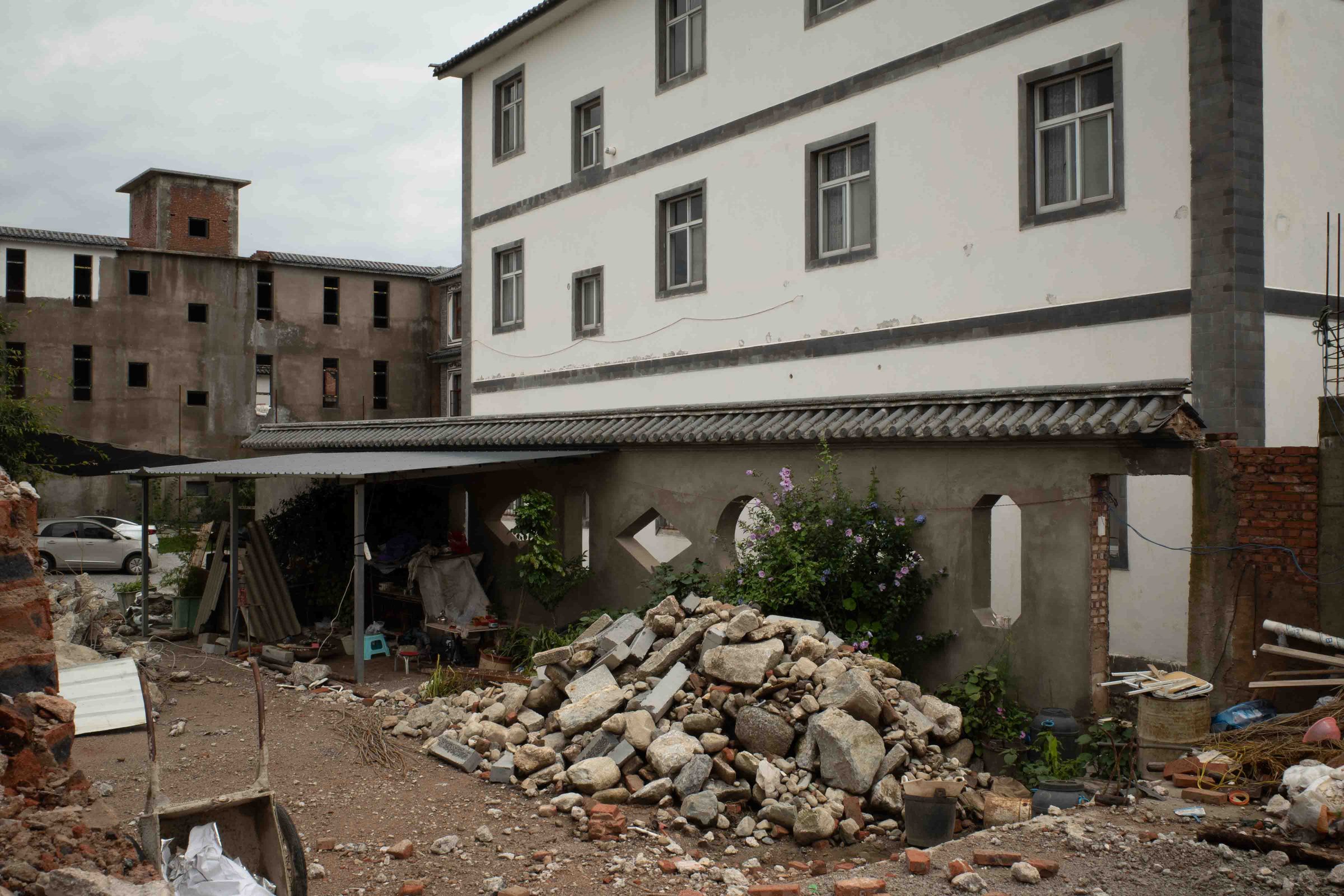
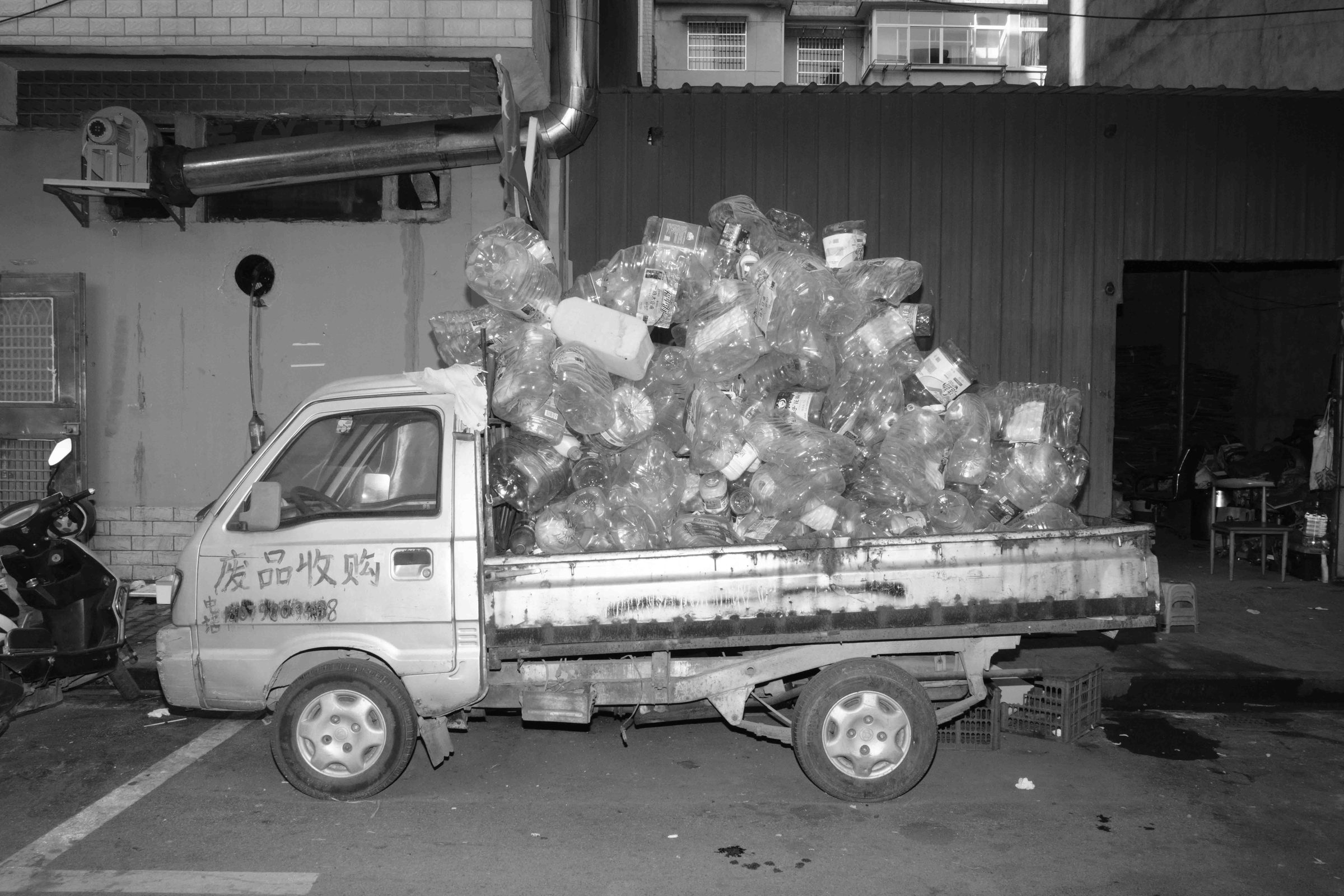
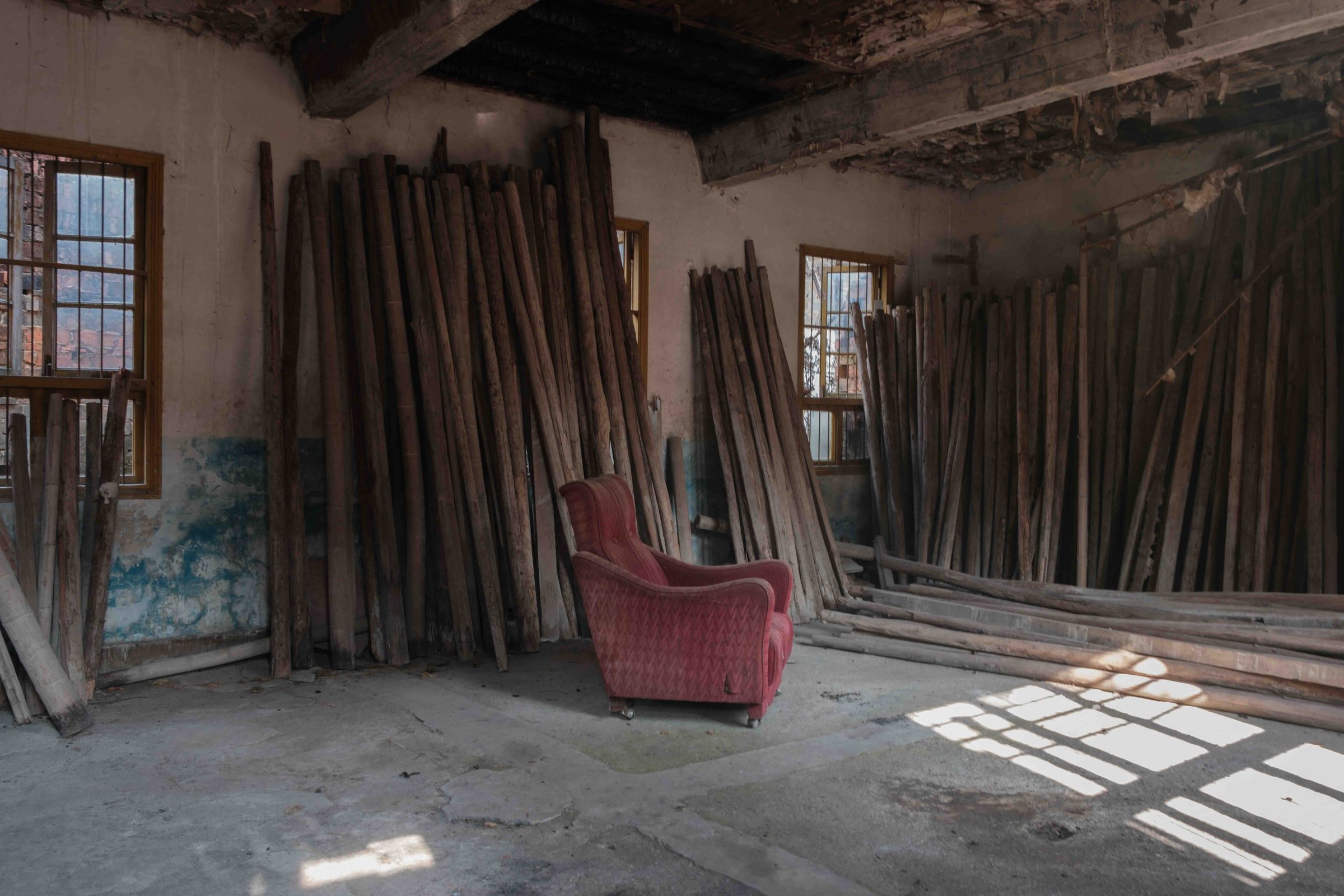
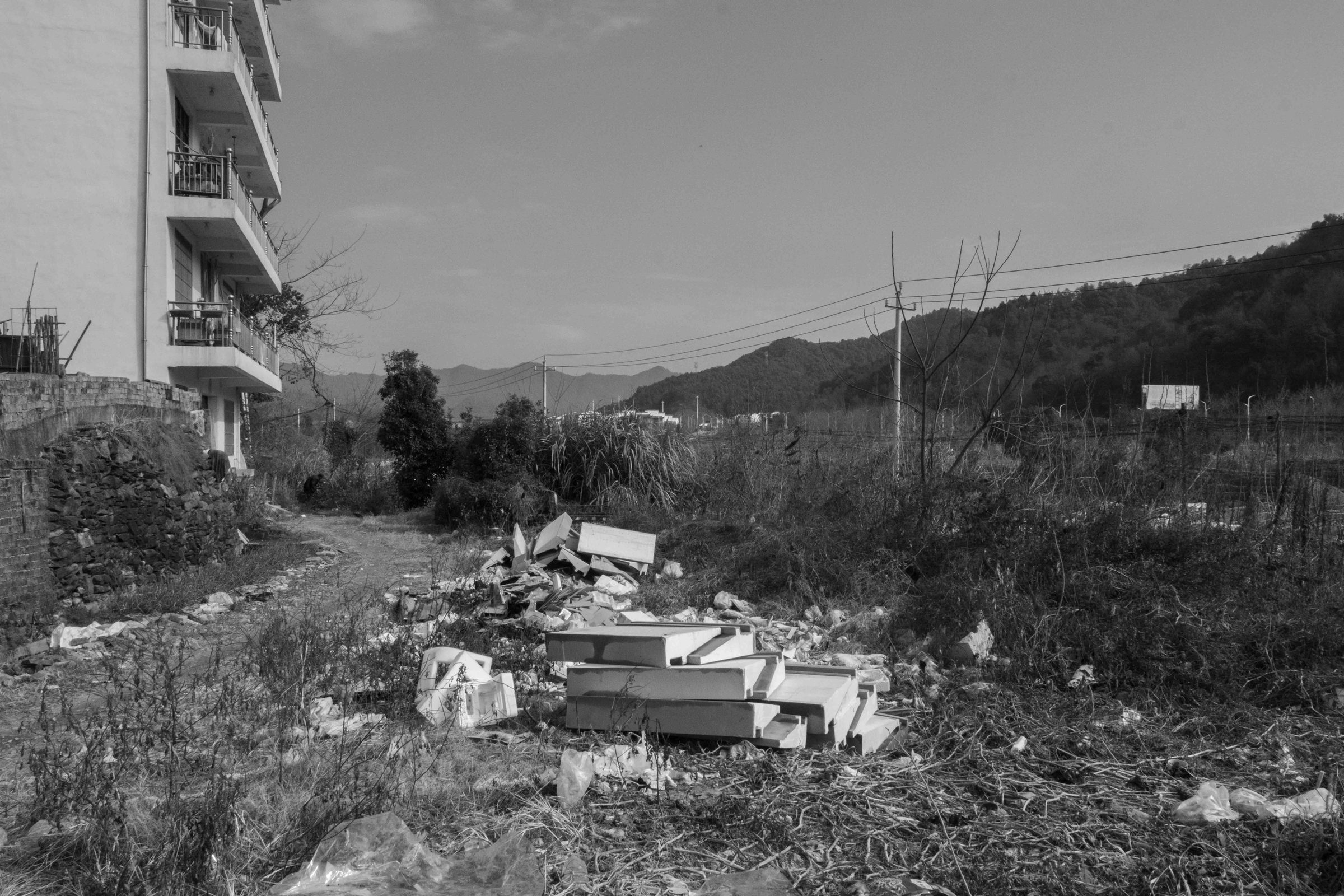
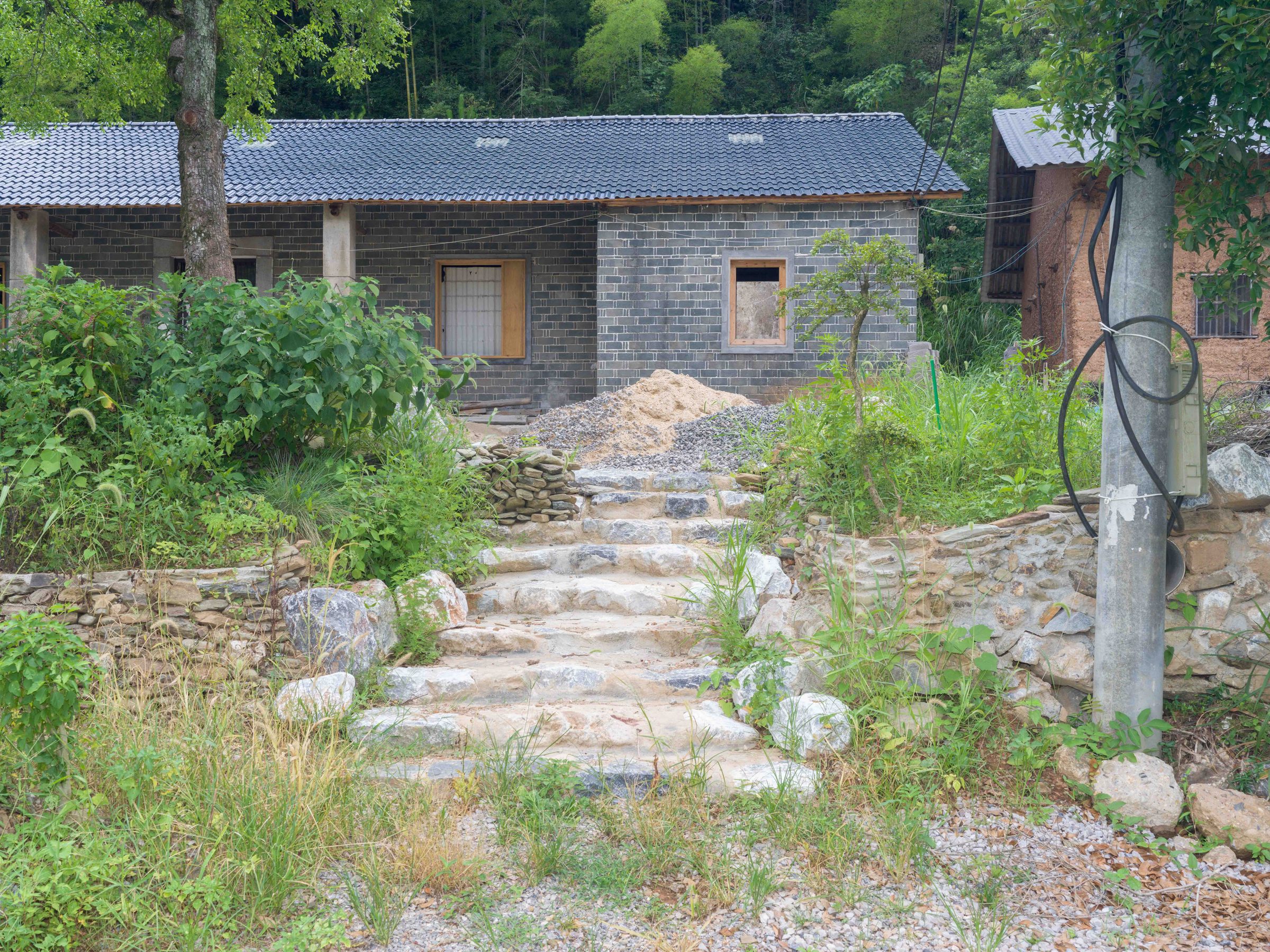
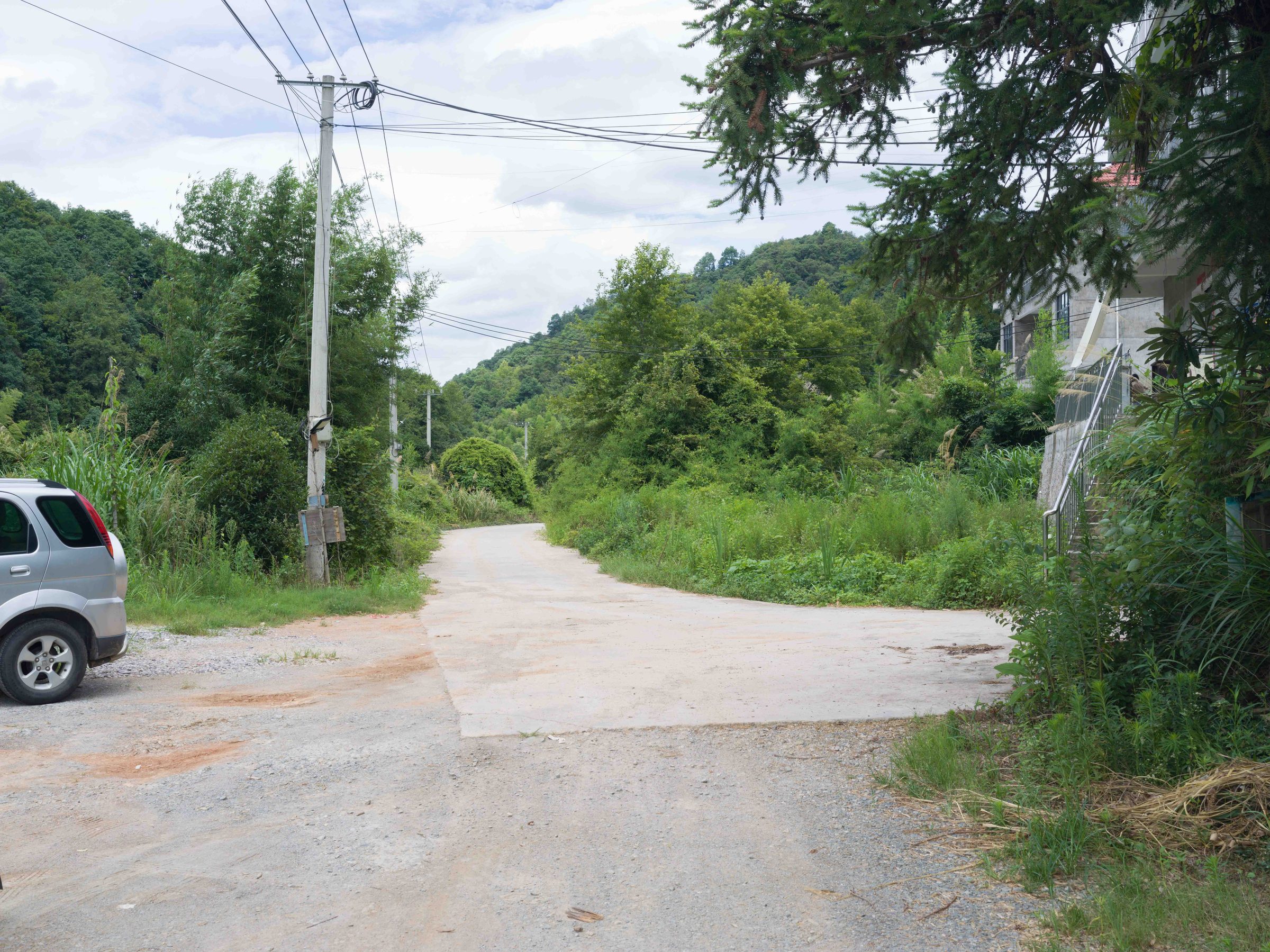
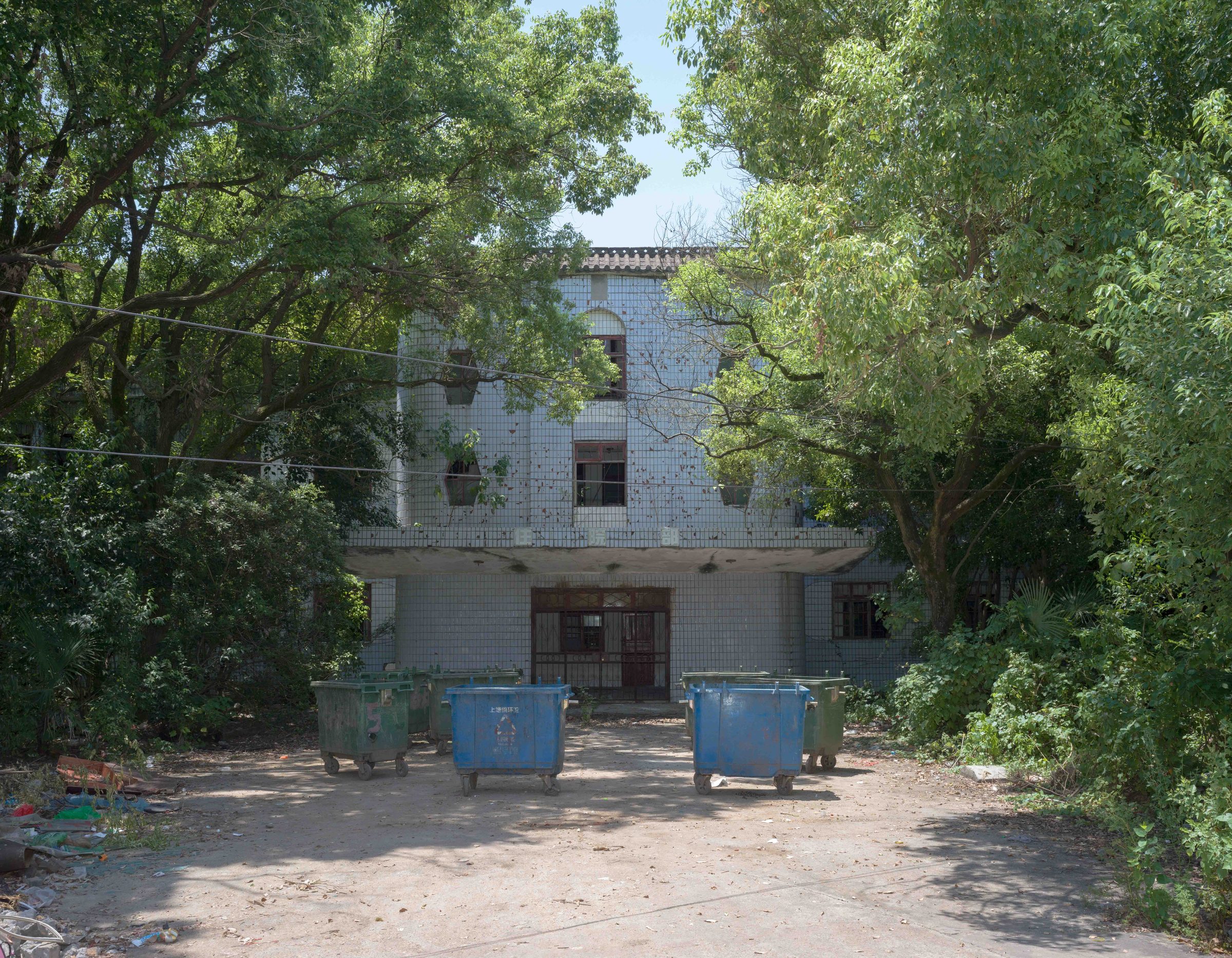
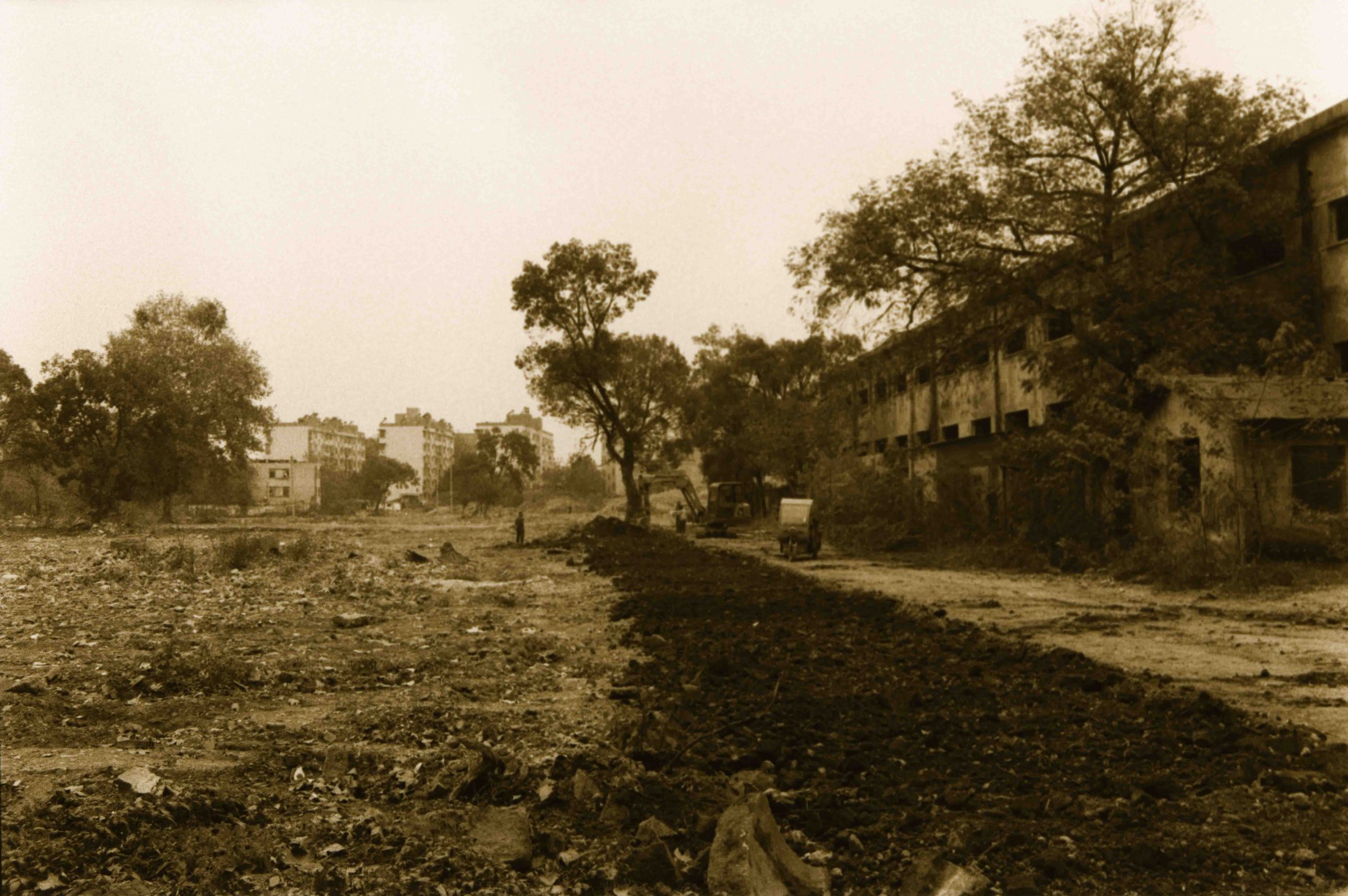
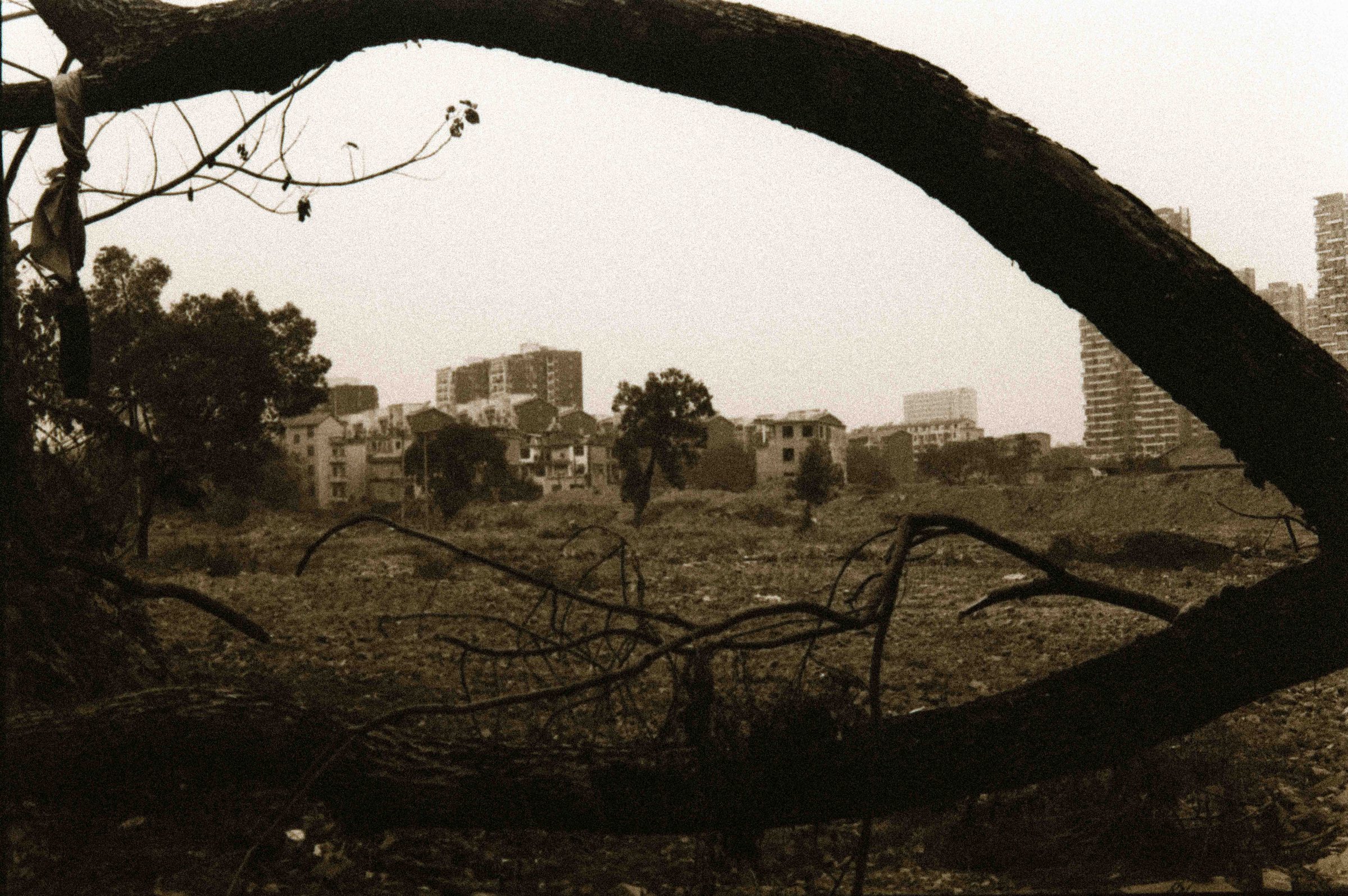
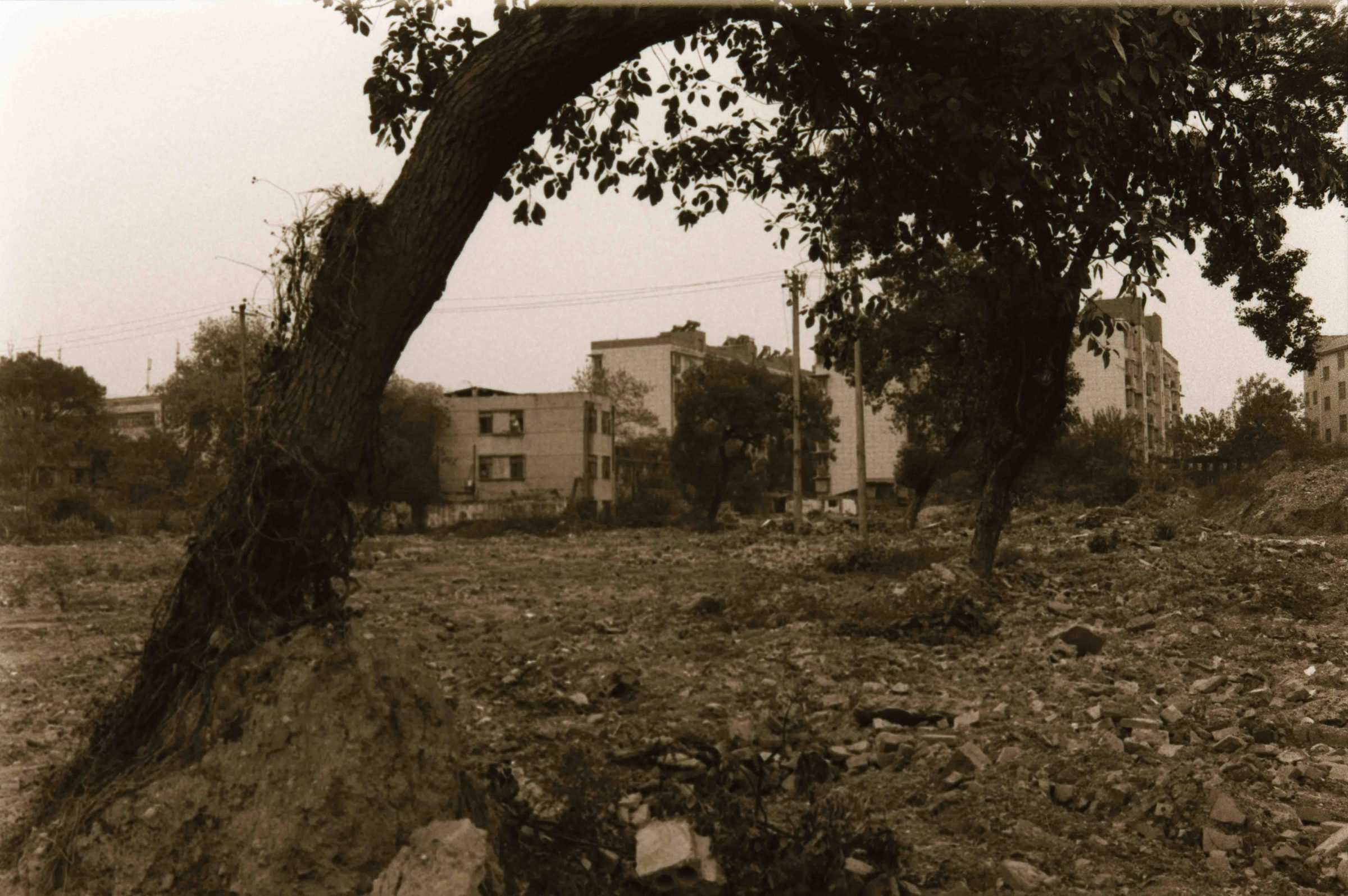
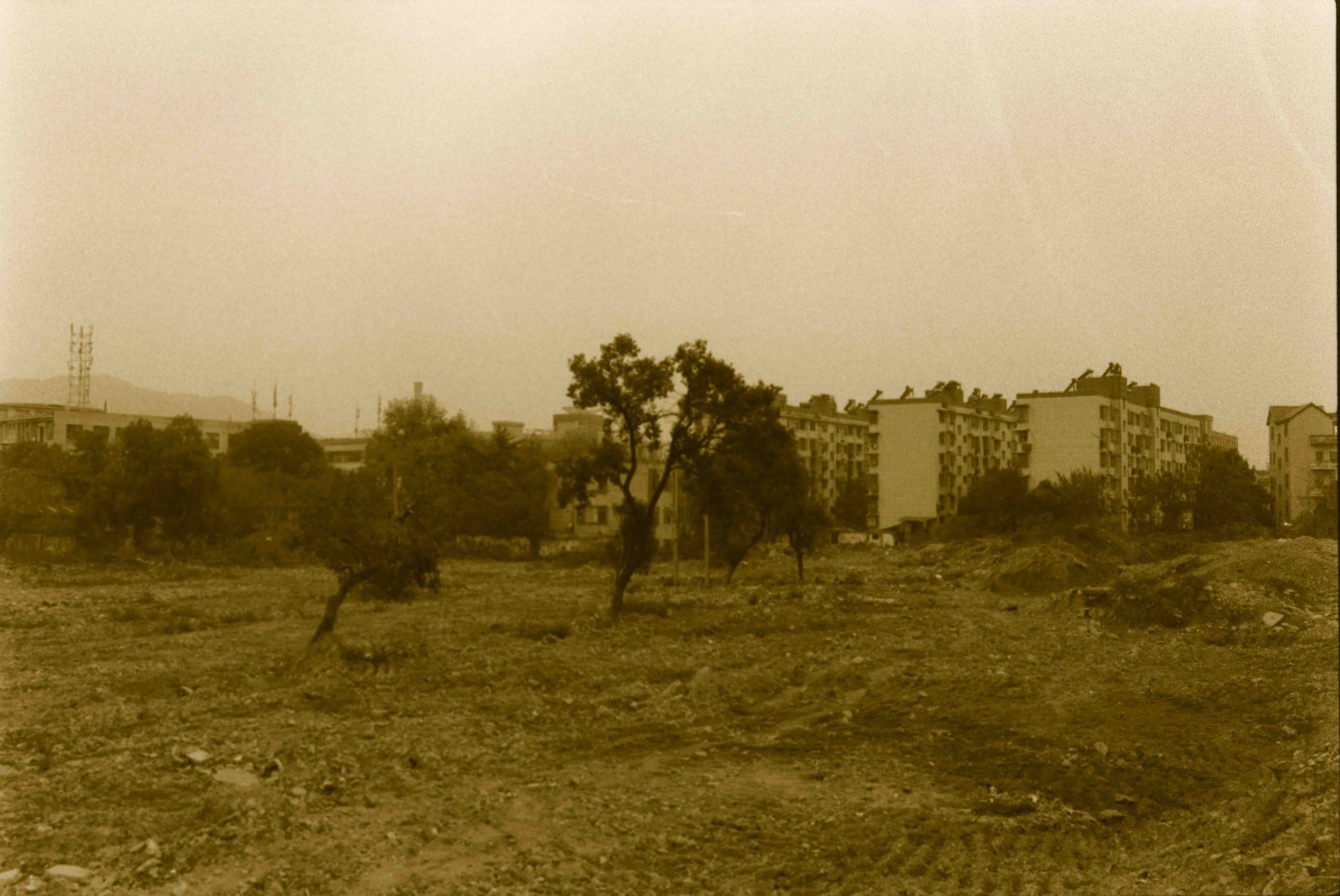
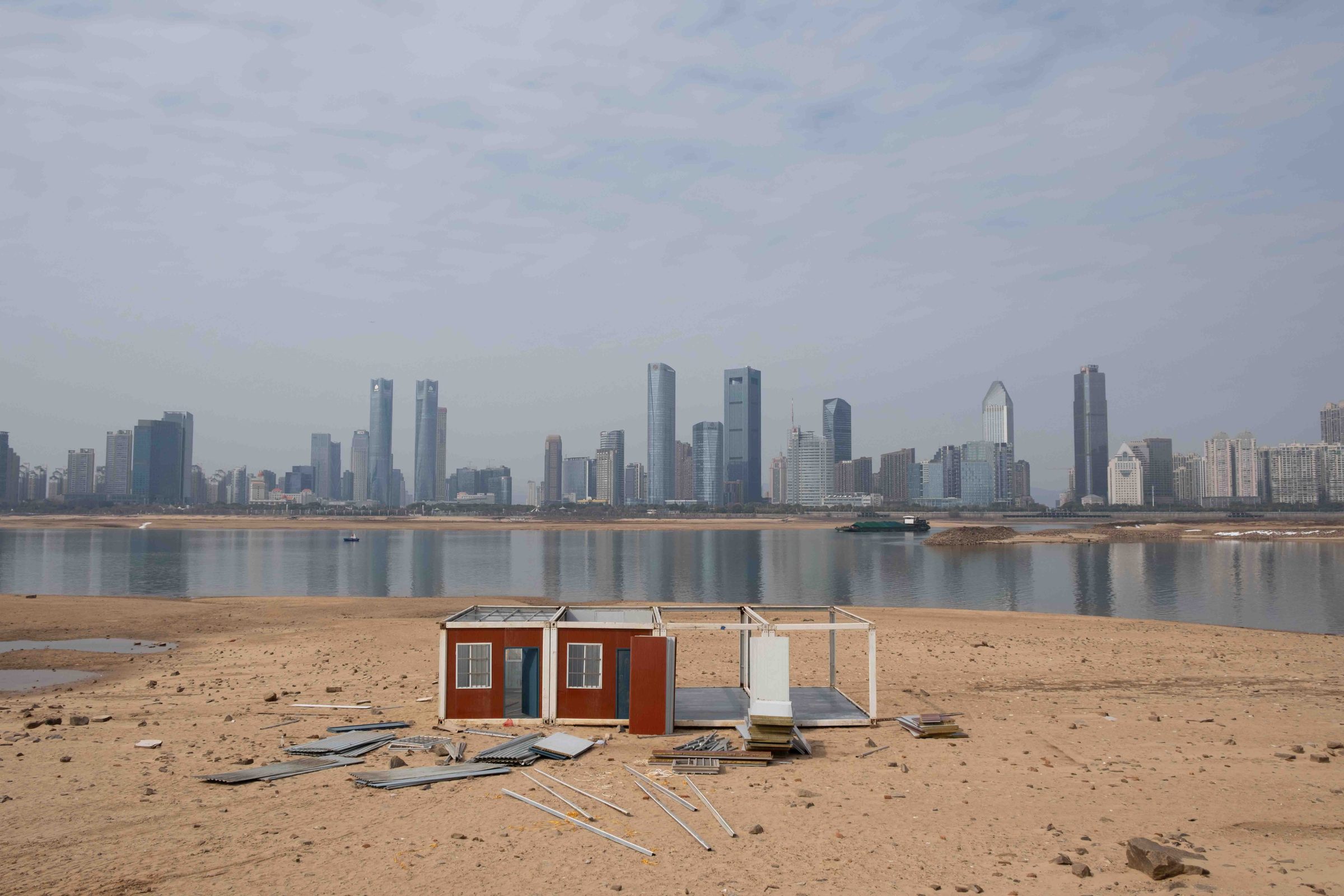
Since 2024, I have often wandered through cities with a camera. I find myself stopping at places that are easy to overlook: unfinished buildings, empty plots hidden behind barriers, roads gradually falling out of use, and neglected corners where traces of everyday life still remain. They are not really landscapes, and nothing particularly dramatic is happening in them. Still, something makes me stop, look for a little longer, and take another photograph.
What is it about these places that keeps drawing me back?
Cities tend to give us the impression that everything has been planned. Roads are meant to lead somewhere. Barriers mark out boundaries. Buildings tell us how to enter, where to stay, and when to leave. But this order does not always hold. Construction stops halfway. Buildings lose their original purpose. People move on.
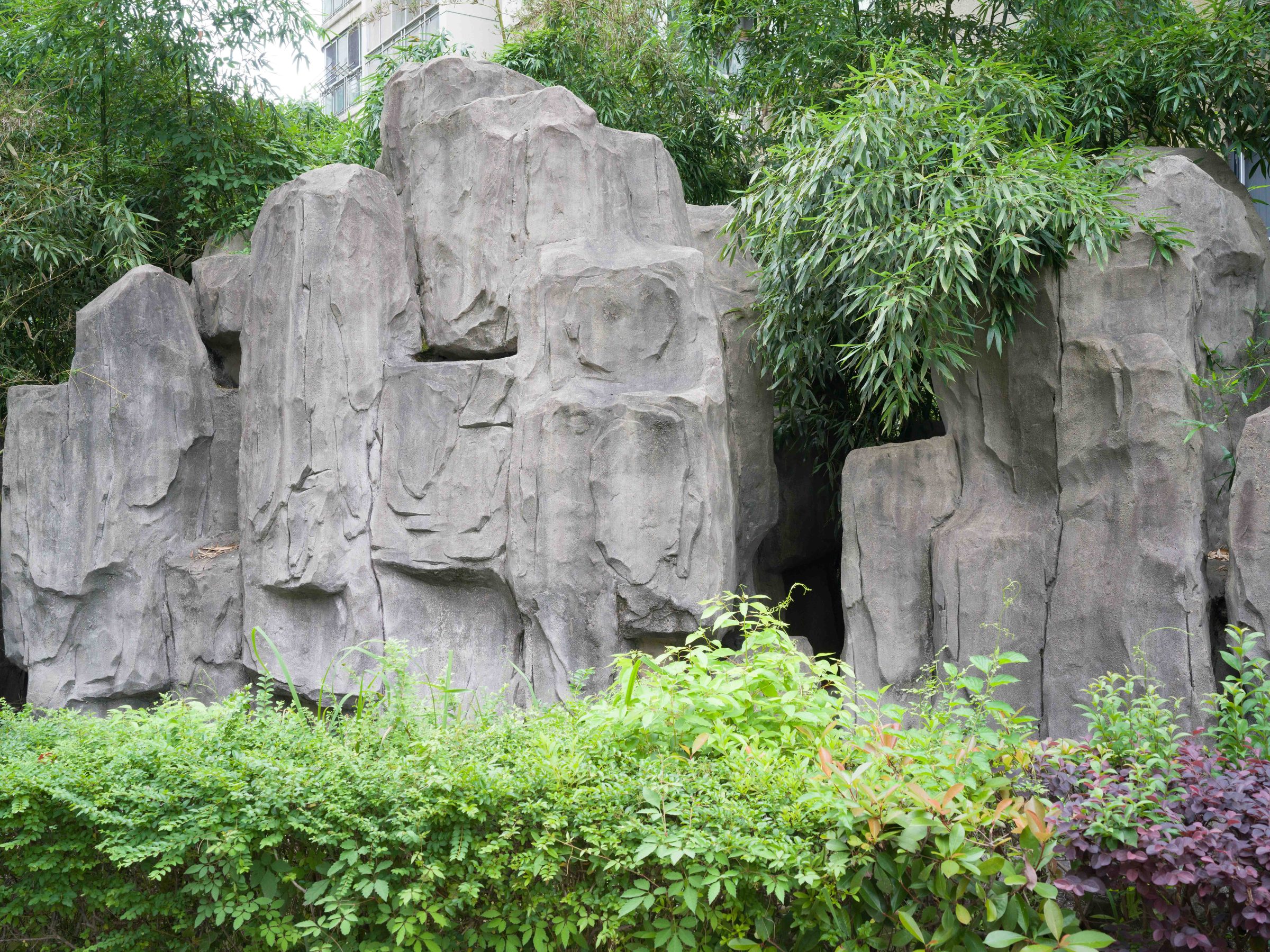
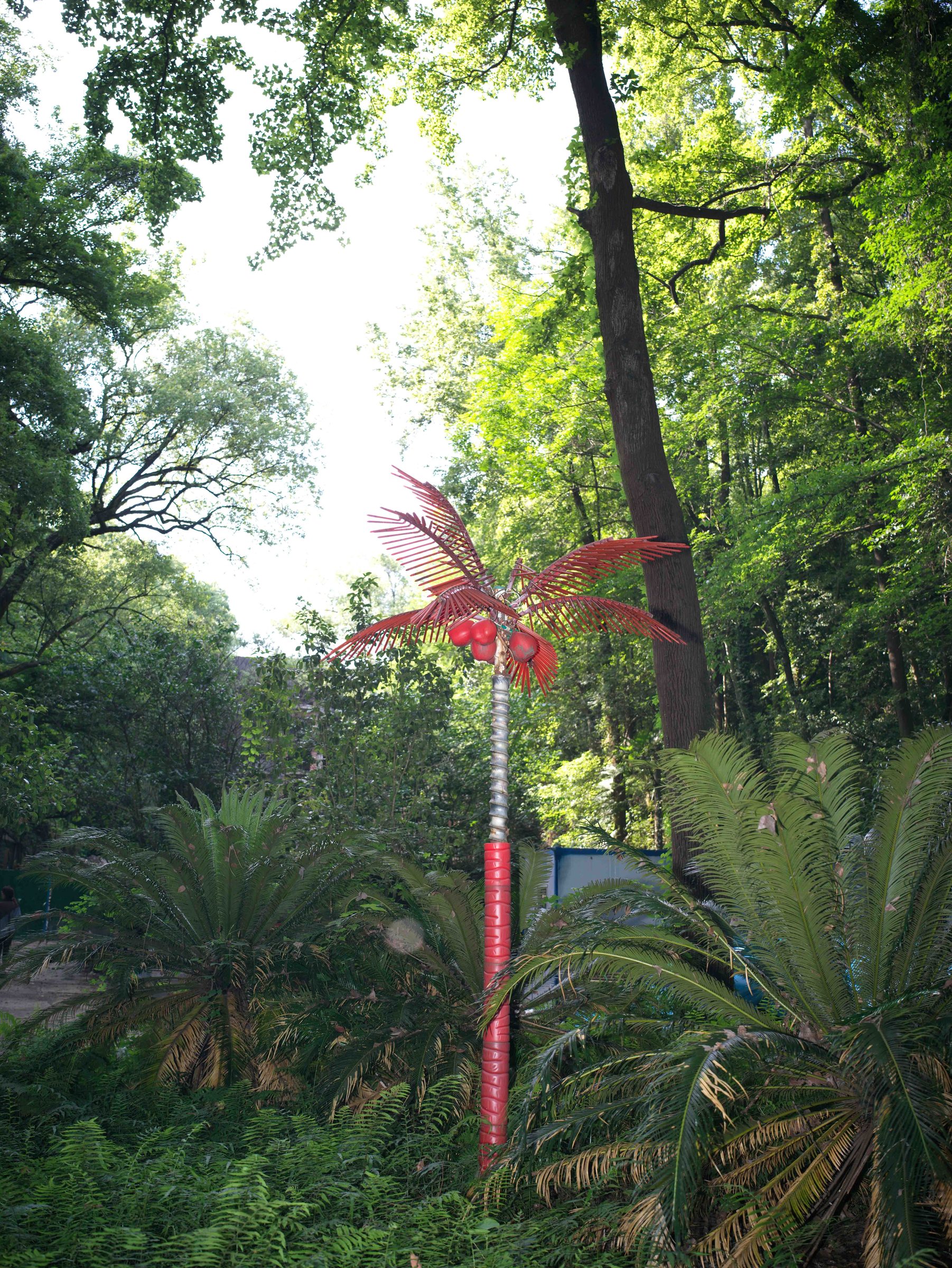
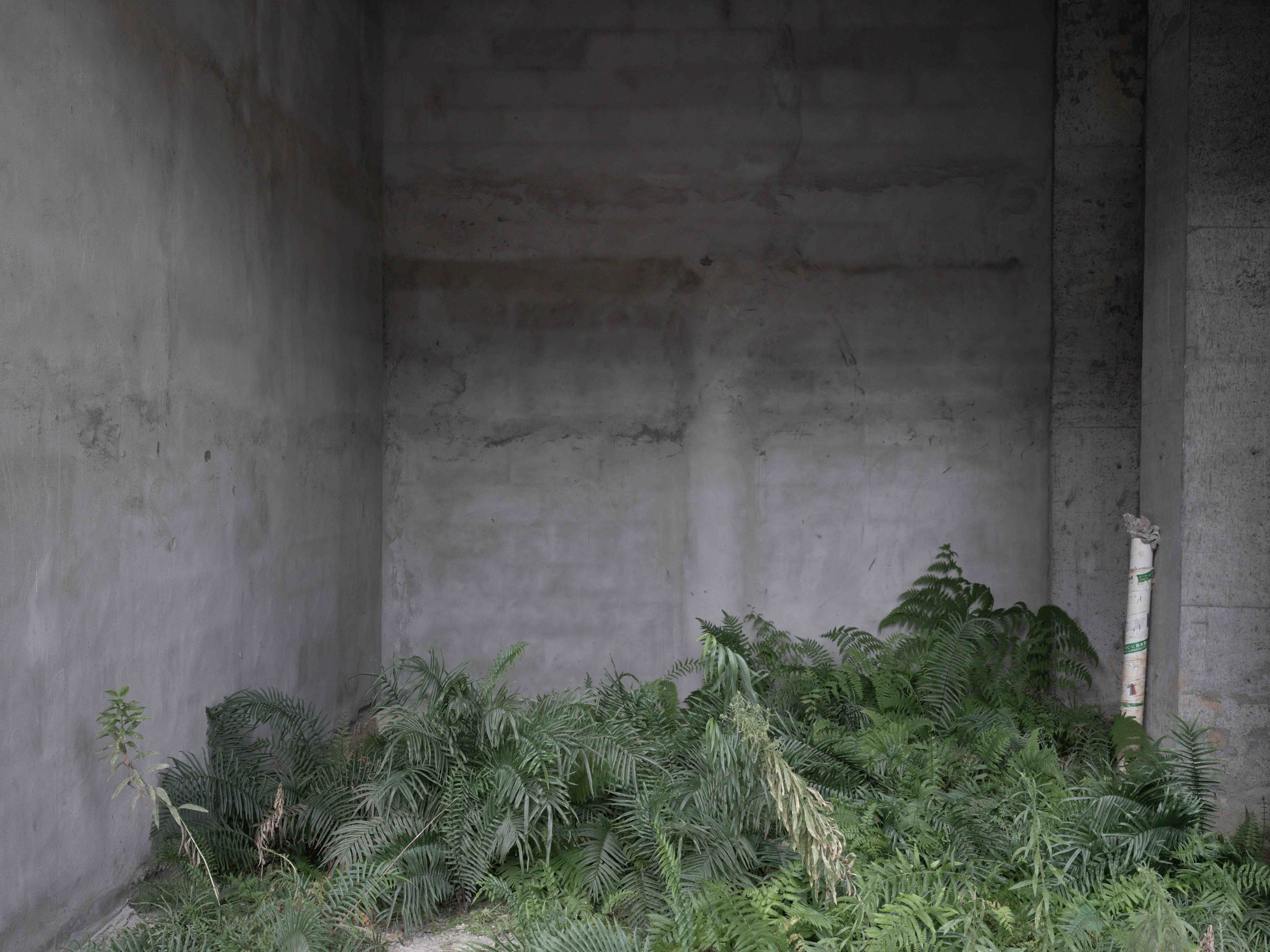
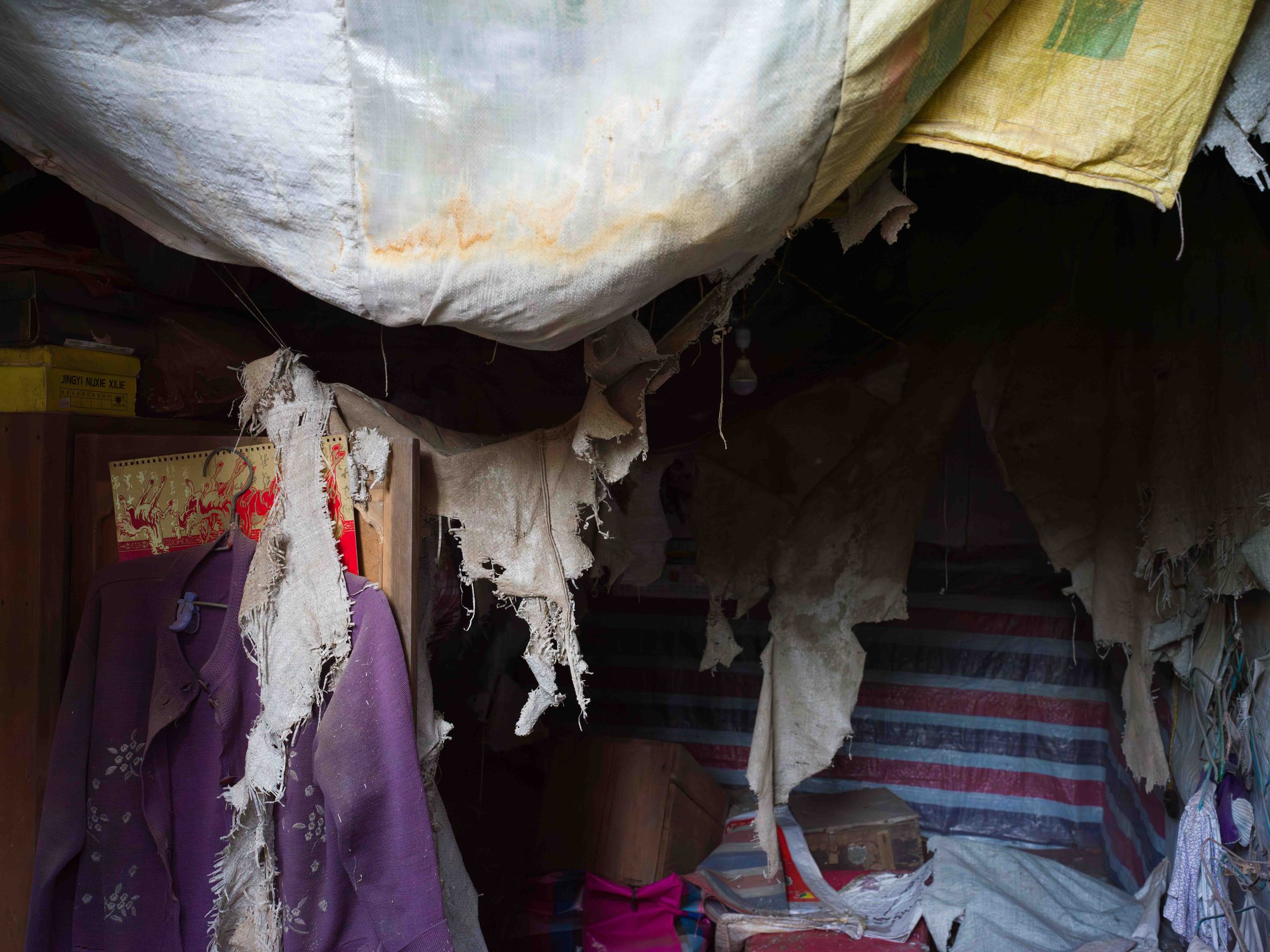
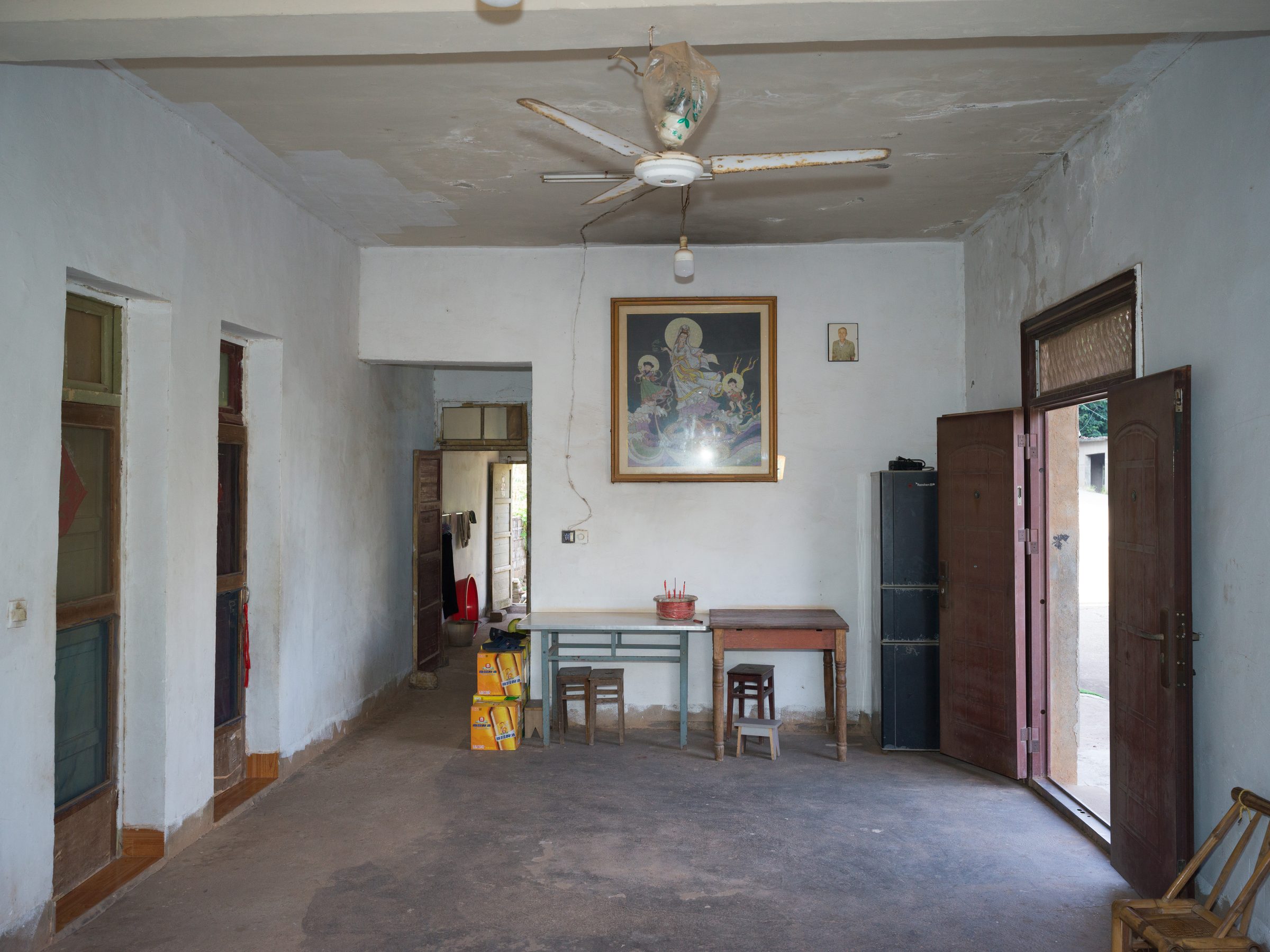
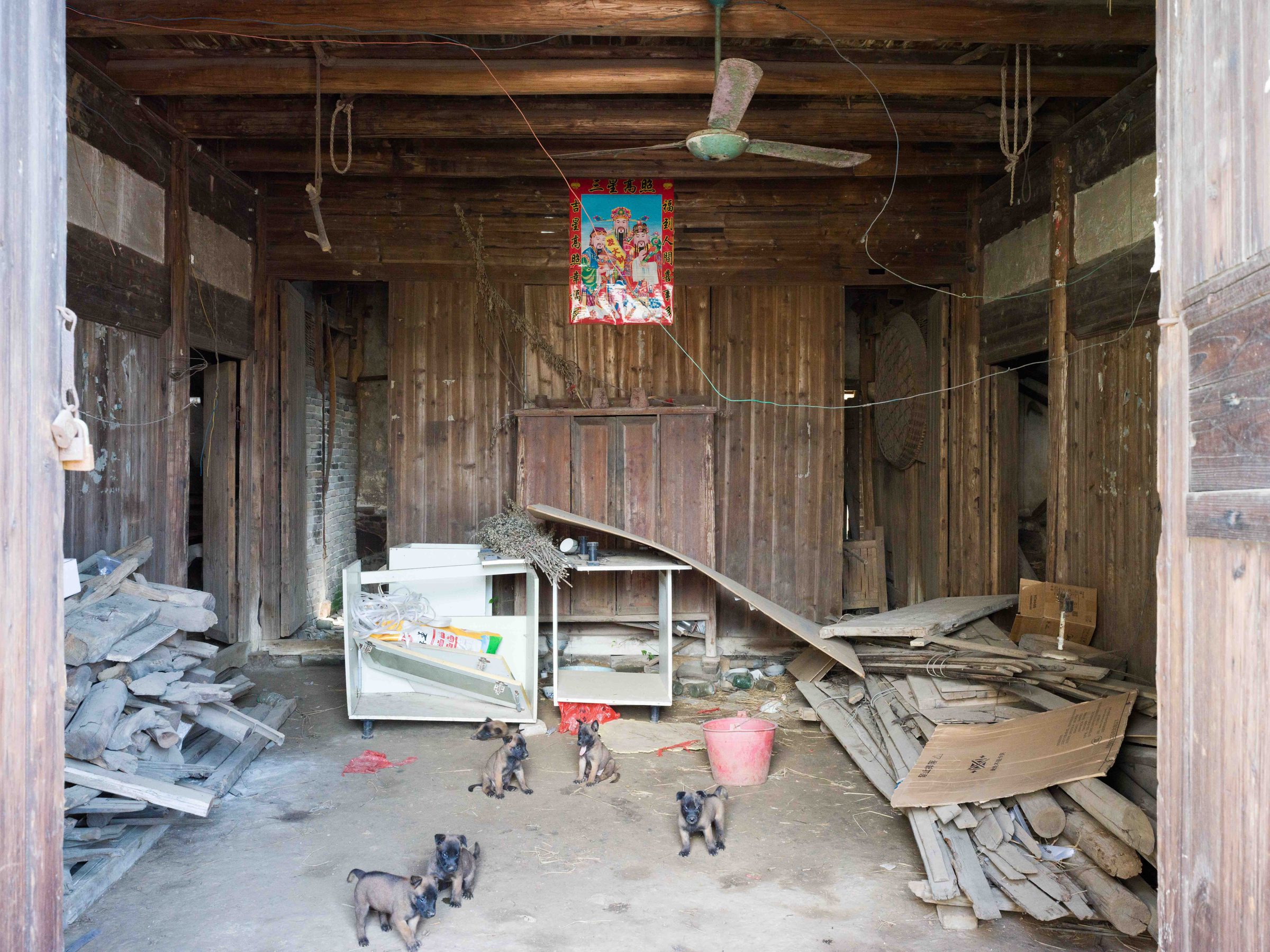
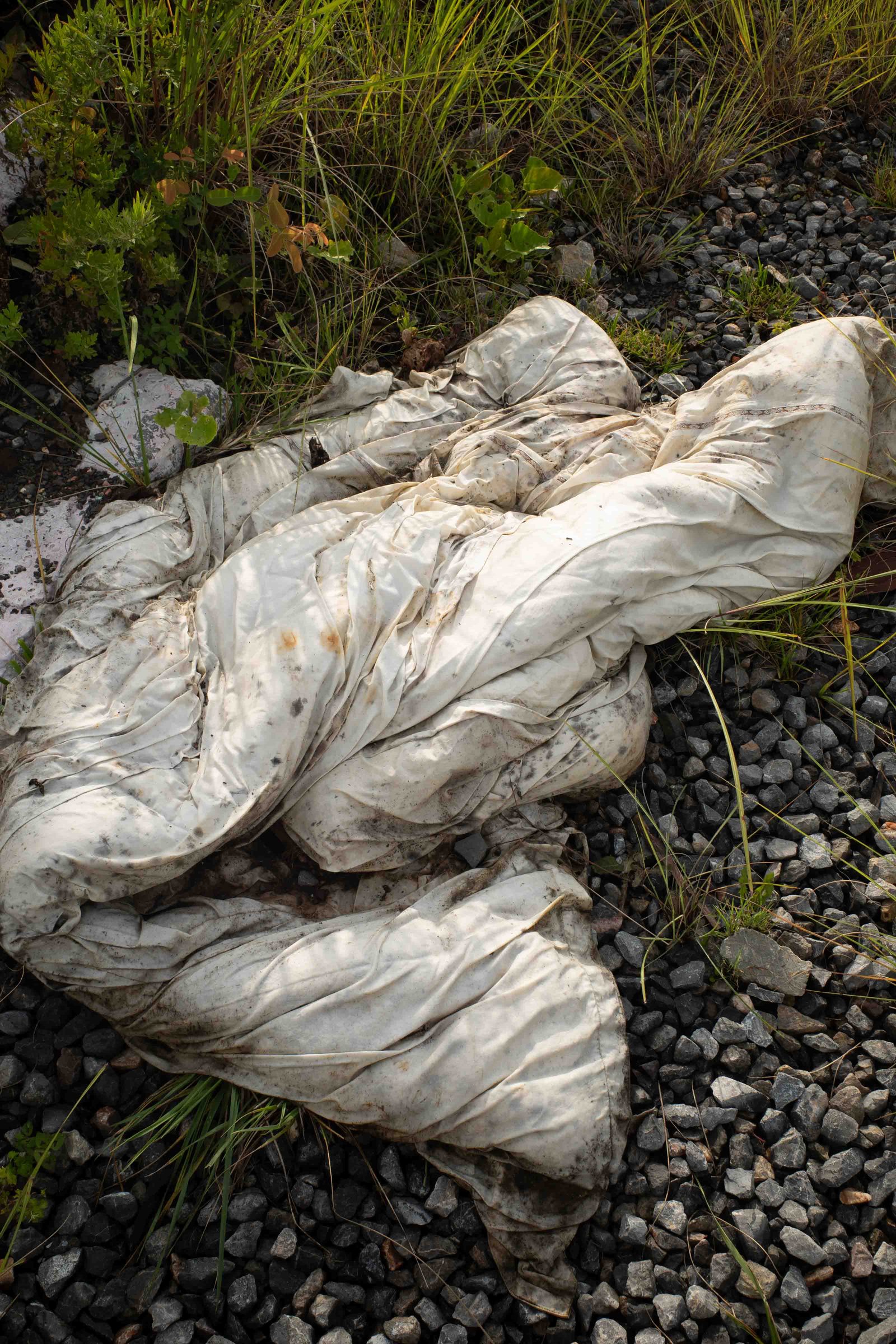
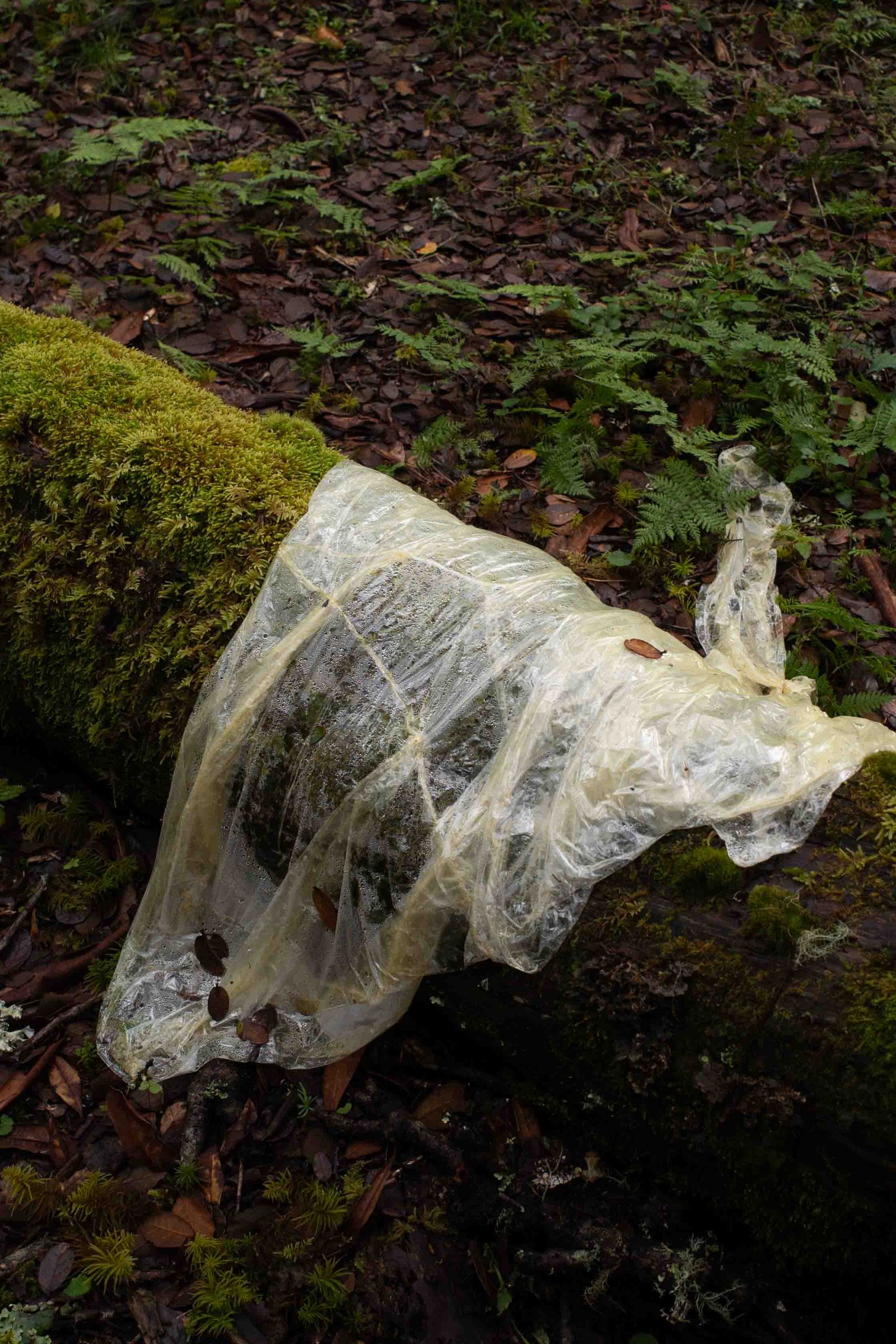
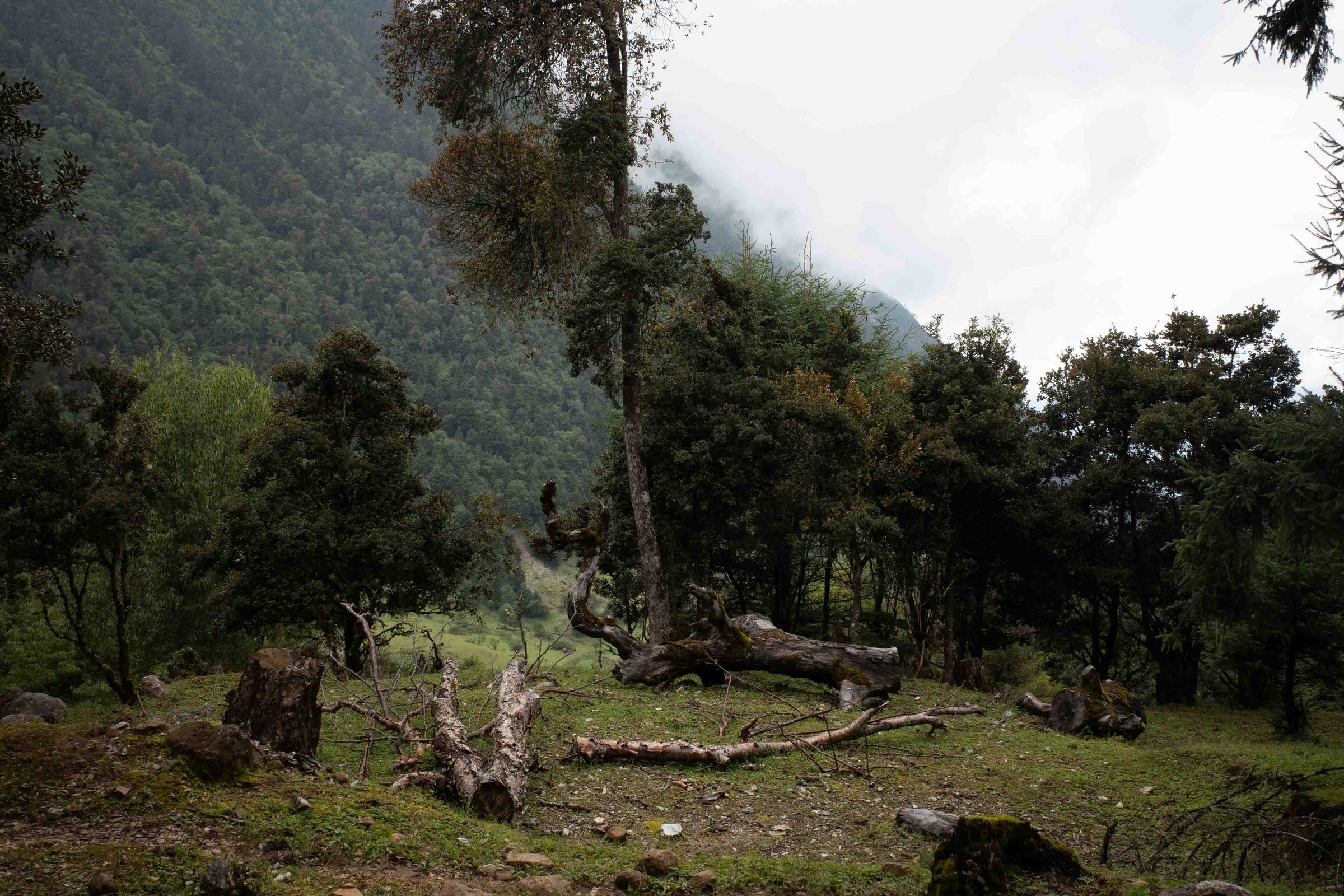
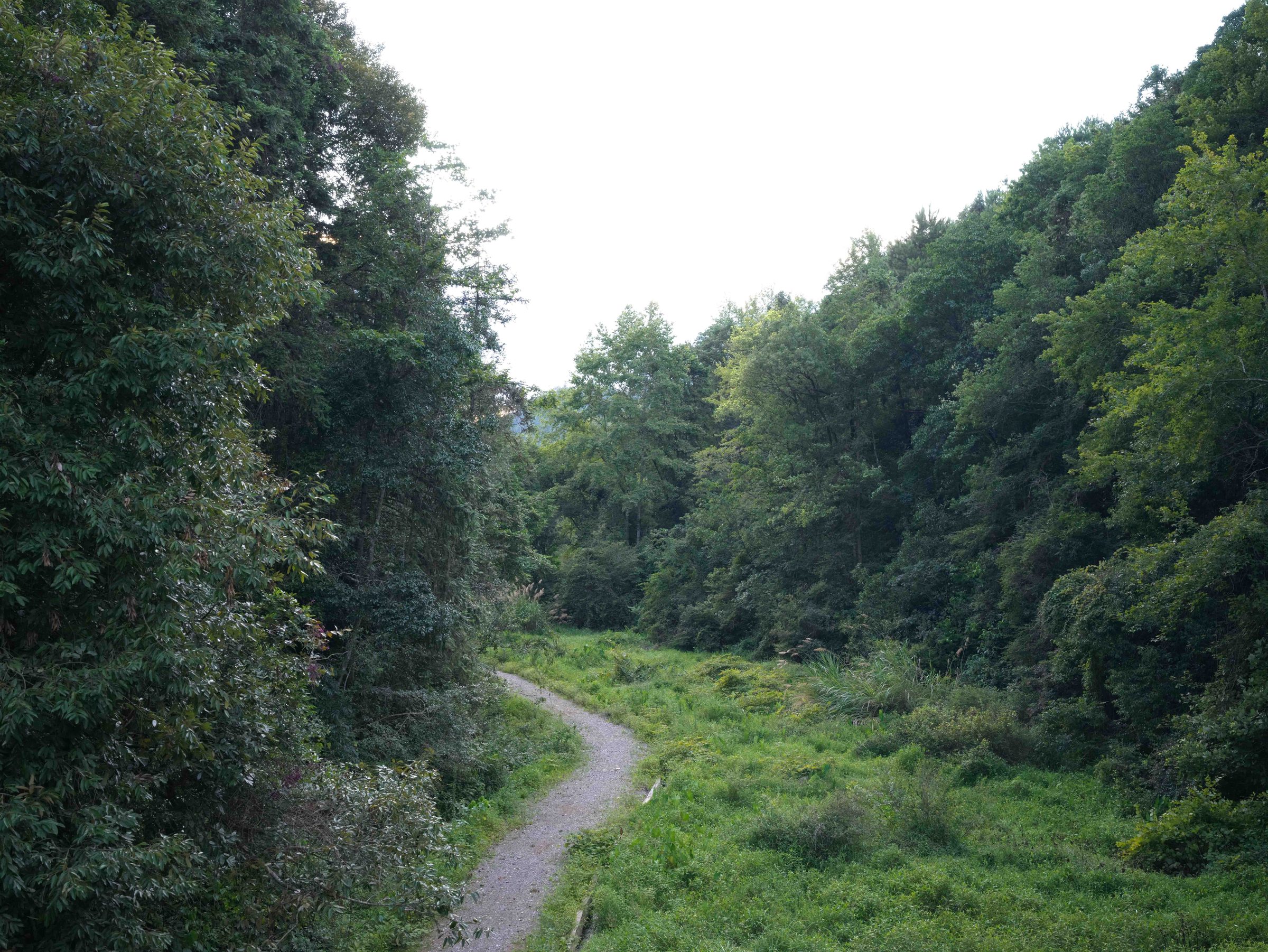
Then plants begin to grow through cracks in the concrete. Rain and sunlight alter the colour of walls. Objects left behind remain where they were. Boundaries that once seemed clear begin to loosen. The built and the natural, use and abandonment, human absence and human traces—all of them temporarily occupy the same ground.
For a long time, I simply kept taking pictures. I used different cameras, travelled to different places, made photographs, and stored them away on hard drives. At the same time, I kept looking at other photographers’ work online. Everyone else seemed to know exactly where they were going, while my own photographs remained scattered across different folders. The more I looked and the more I photographed, the less certain I became about what I was actually doing.
It was only when I began going back through the photographs and placing them beside one another that I noticed the same kinds of places returning again and again. These pictures had not accumulated entirely by accident. Before I had found a name for them, the camera had already left me a faint trail to follow.
I made this book not primarily to explain these photographs to other people, but to place them together and look at them for myself—to see where I had stopped over the past few years, what had repeatedly caught my attention, and where my way of seeing might be taking me.
This book is therefore not the end of the project, nor is it a conclusion about these places. It is closer to a pause: a stone placed beside the road after walking for a long time. It simply reminds me that I was here, and that this was where I began to understand what I had been looking at all along.
The stone stays where it is. The road continues.
项目介绍 / 中文
我拍这些地方,起初并不知道为什么。
从 2024 年开始,我常常带着相机在城市里走。我会在一些不太起眼的地方停下来:没有建完的房子、被围挡隔开的空地、渐渐荒废的道路,以及那些似乎已经无人照管,却仍然留有生活痕迹的角落。它们通常不是什么风景,也没有正在发生的精彩事件,但我总想多看一会儿,再拍下一张。
这些地方究竟有什么吸引我?
城市总给人一种一切都经过安排的印象。道路通往某处,围挡划出边界,建筑规定人如何进入、停留和离开。可这种秩序并不总能维持下去。建设会停在半途,房屋会失去原来的用途,人会离开。随后,植物从水泥的缝隙里生长出来,雨水和阳光改变墙面的颜色,被遗留下来的物件继续留在原处。原本清楚的边界逐渐松动,人工与自然、使用与废弃、人的缺席与残留,暂时挤在了同一片土地上。
很长一段时间里,我只是不断地拍。换不同的相机,去不同的地方,拍下照片,再把它们存进硬盘。我也不停地在网上看别人的作品。别人似乎已经有了明确的方向,而我的照片仍然散落在不同的文件夹里。看得越多,拍得越多,我反而越不知道自己究竟在拍些什么。
直到我开始把这些照片重新找出来,将它们一张张放在一起,我才发现,有些地方其实早已反复出现在我的目光里。那些照片并不是偶然积累起来的。在我还没有为它们找到名字以前,相机已经替我留下了一条模糊的线索。
我把这本书做出来,首先不是为了向别人说明什么,而是想把这些照片放在一起,给自己看一看。看看这些年我曾在哪里停下,什么东西一次次吸引了我,以及我的目光正在慢慢走向哪里。
所以,这本书并不是这个项目的终点,也不是对这些地方作出的结论。它更像我在走了很久以后,暂时停下来,在路边放下的一块石头。它只是在提醒我:我曾经来到这里,并从这里开始,逐渐意识到自己一直在看什么。
石头留在原处,路还会继续。