03 / About
Yizhou Wang
Photographer and Visual Practitioner
Nanchang, Jiangxi, China
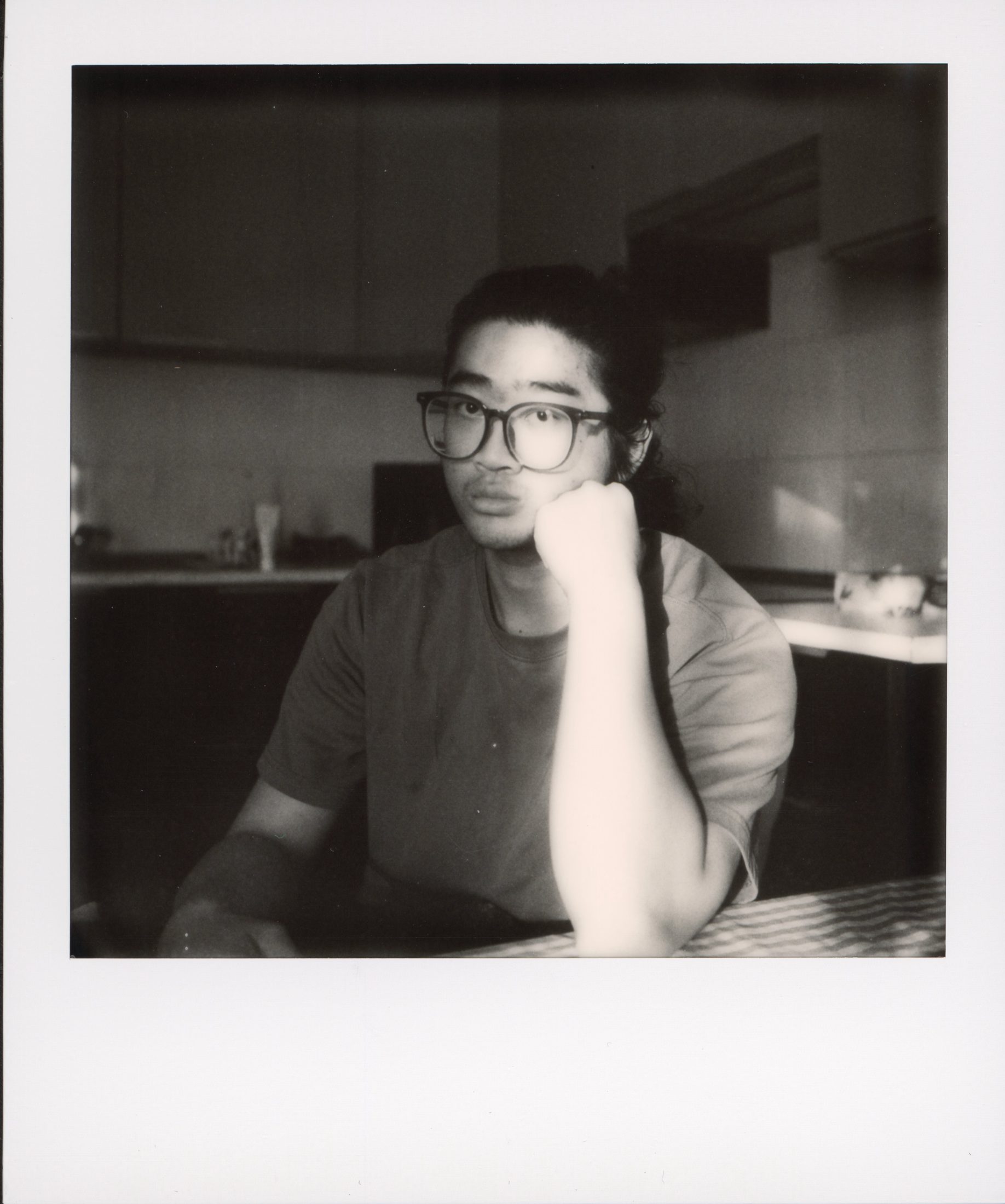
About
Yizhou Wang is a visual practitioner working primarily with photography, based in Nanchang, Jiangxi, China. His undergraduate training in interior design continues to shape his attention to space, structure and scale, and to the ways in which people relate to their surroundings.
His photographic practice began with observations of everyday life: light, line, natural forms and spatial details. Working across digital, analogue and digital medium-format photography, he gradually moved from making individual images towards developing project-based work. Sequencing, print and spatial presentation have since become important methods through which he constructs photographic narratives.
Much of his work begins with personal experience and interior states. Simulated Prison - They Never Really Left reflects on the psychological impact of China's competitive art-examination training; Uncut - Grow in Silence uses hair as a point of departure for considering bodily experience and personal reflection; and After Order developed into an initial photobook edit in 2026. His wider practice also includes constructed portraiture, narrative image-making and an ongoing interest in the relationship between people and space.
Yizhou will begin the Photography (MA) programme at the Royal College of Art in 2027. Until then, he will continue to develop his photographic practice.
About / CV
Curriculum vitae
Education
Accepted place, with deferred entry expected in 2027
Final two years of a 2+2 international programme
First two years of a 2+2 international programme
Selected projects
Curatorial & exhibition experience
Skills
- Digital, analogue and digital medium-format photography
- Photographic research, editing and sequencing
- Photographic printing and exhibition installation
- Constructed portraiture and narrative image-making
- Proficient in Adobe Photoshop, Adobe Lightroom and Adobe InDesign
Research interests
- Personal experience and memory
- The body, identity and psychological experience
- Relationships between people and space
- Photobooks, image sequencing and spatial presentation