Polaroids
Polaroids
Introduction / English
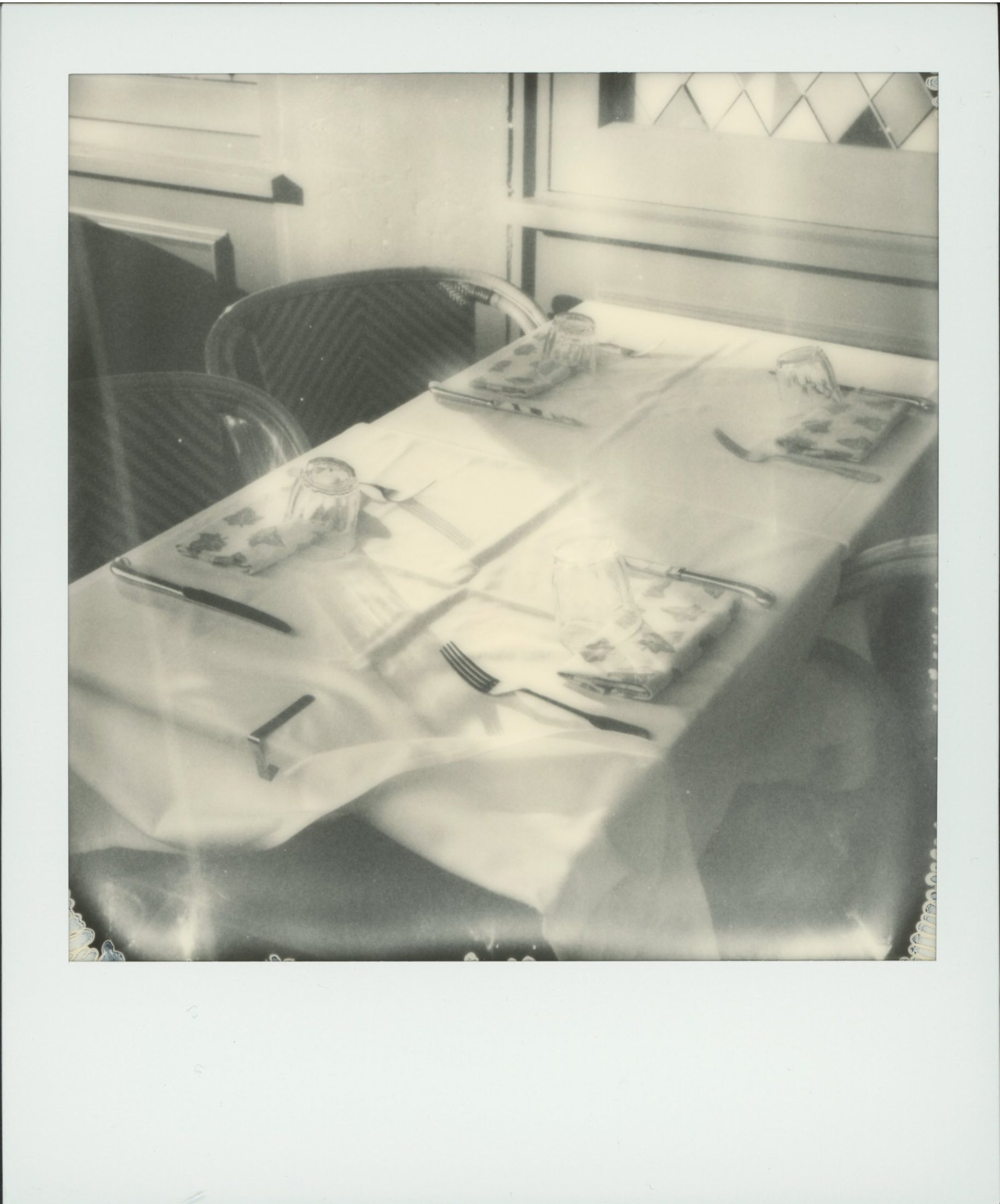
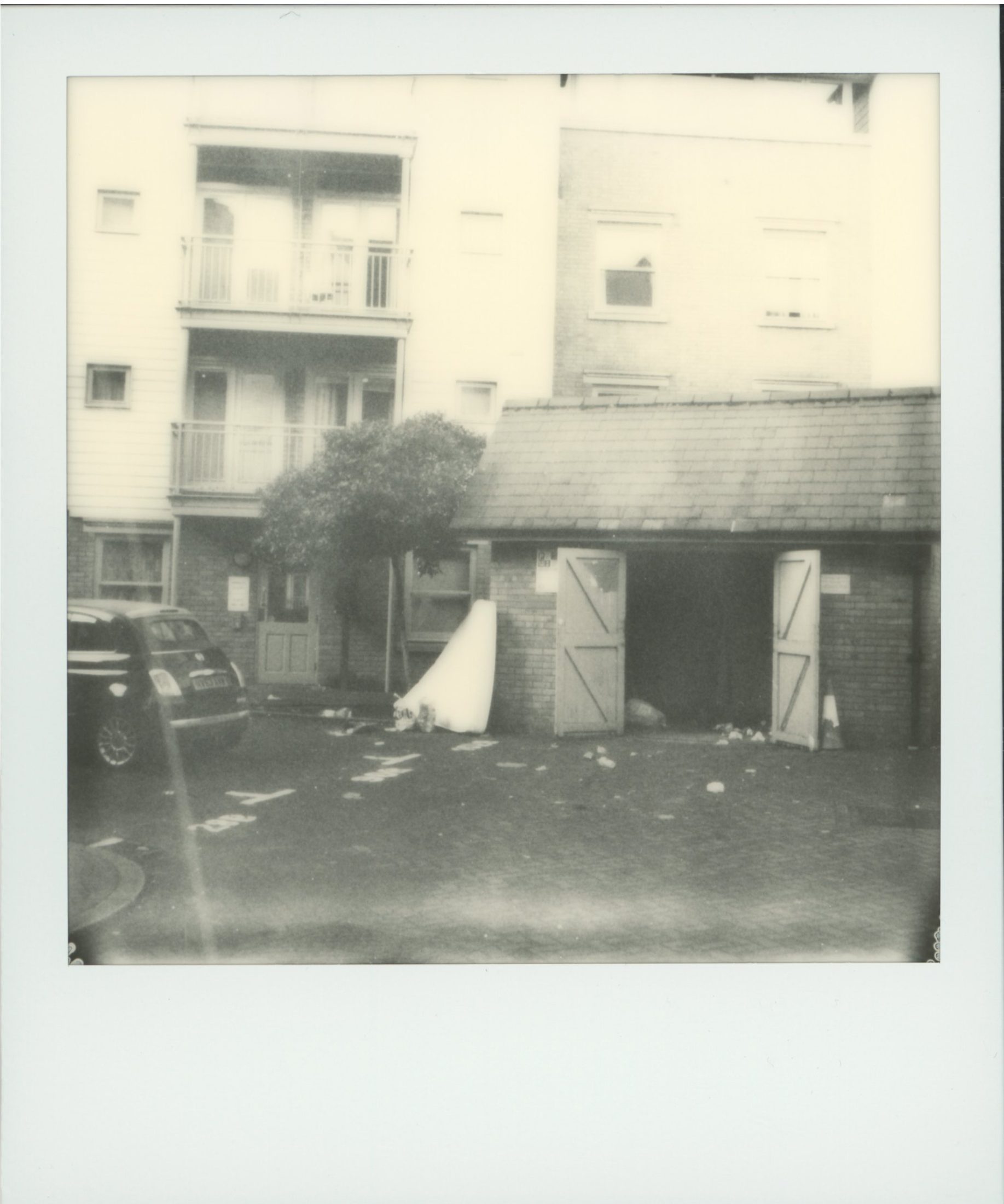
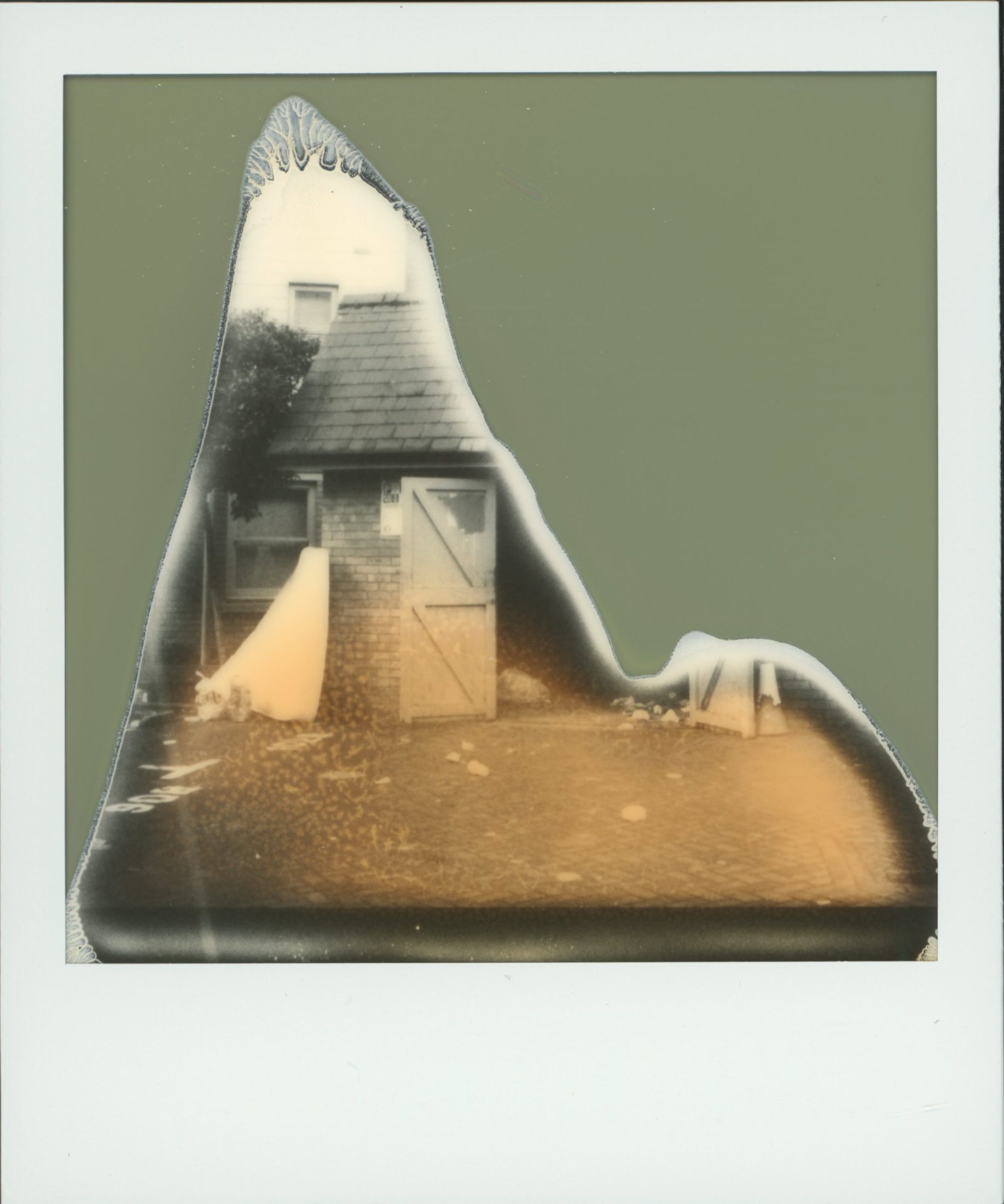
During my two years in the UK, Polaroids gradually became an important part of my life.
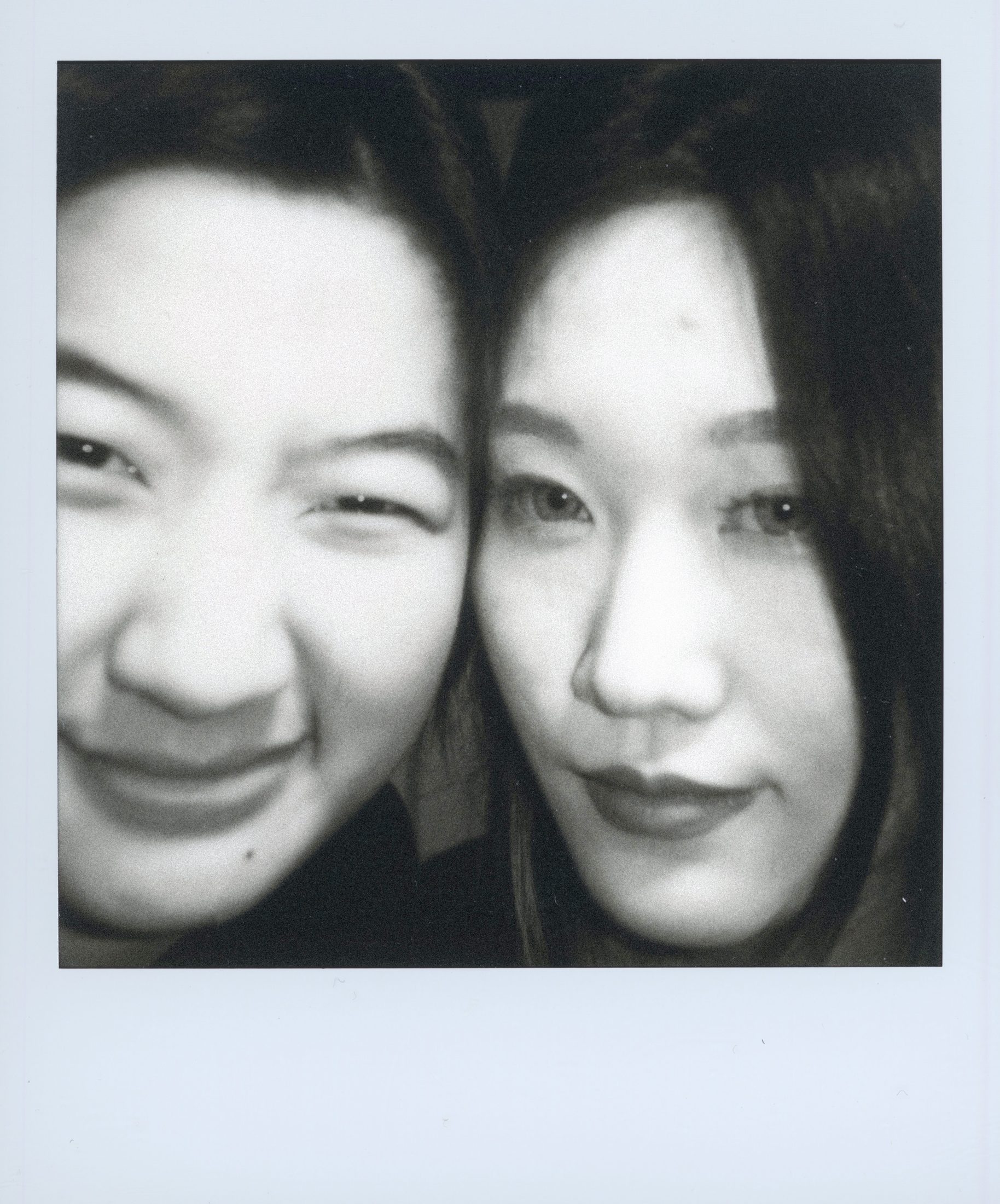
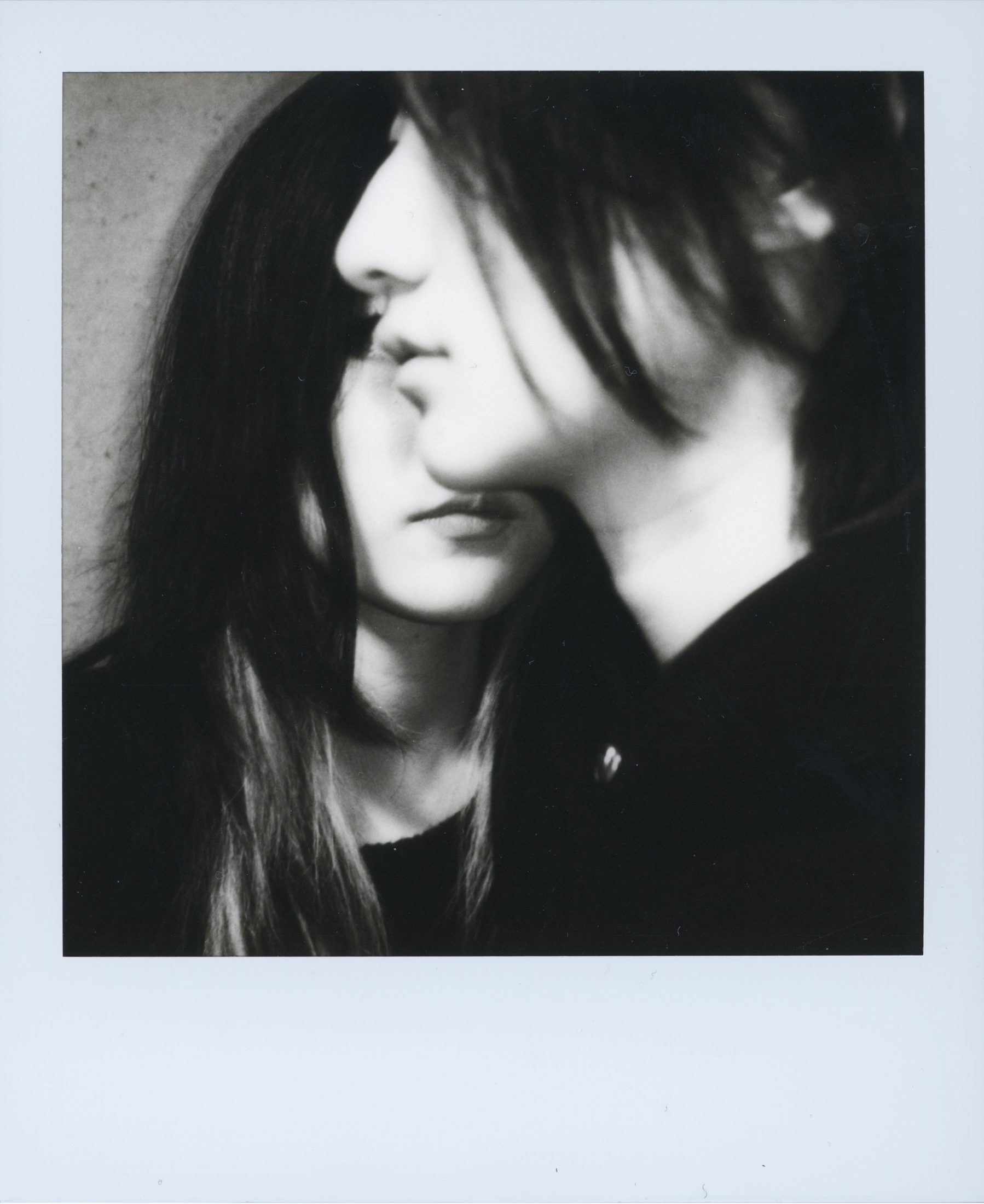
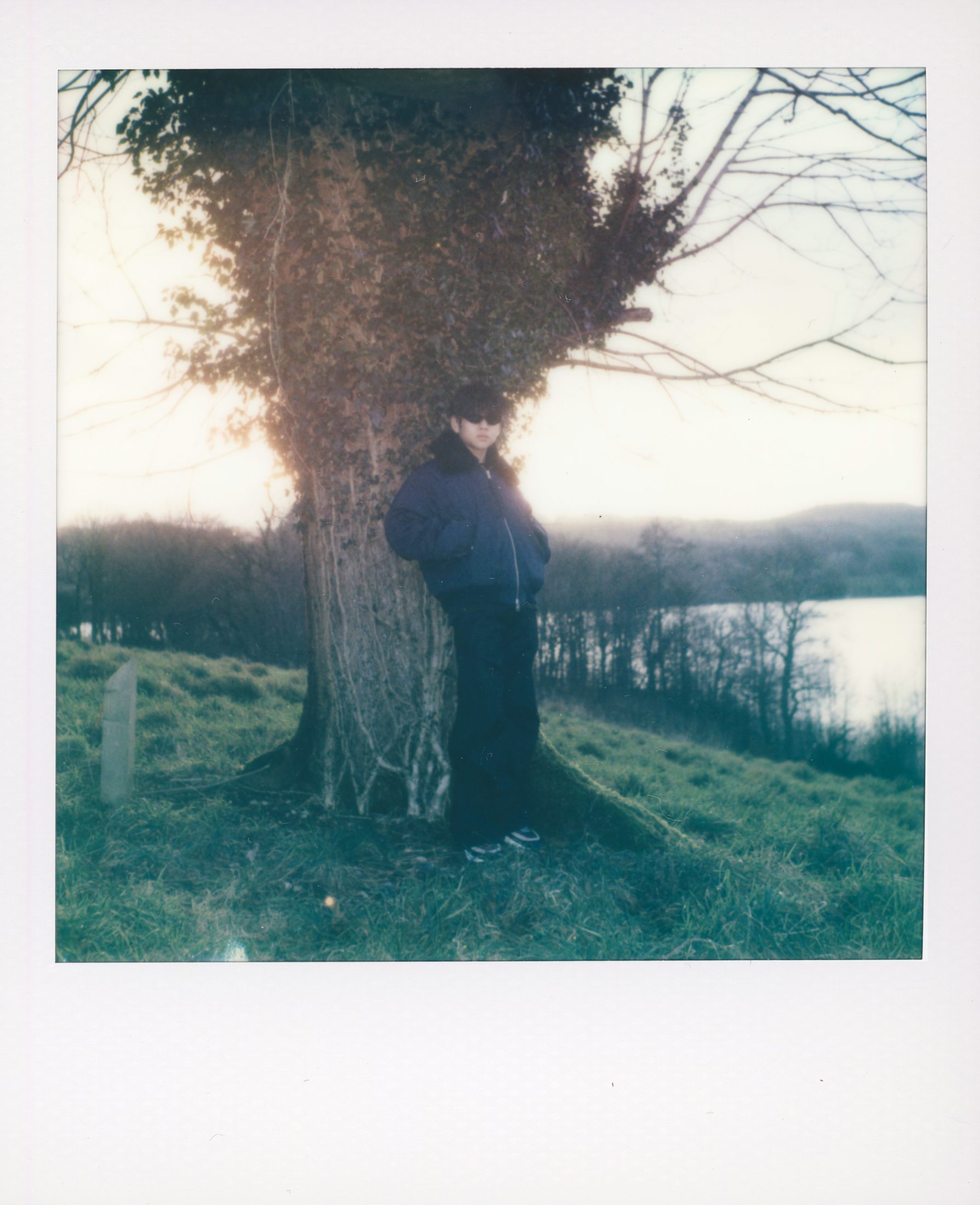
On my first visit to London, my phone was stolen. For a long time afterwards, taking a camera out with me made me uneasy. Later, after saving a little money, I bought my first Polaroid camera. The fear of losing things did not disappear straight away, but once I had the camera, the urge to take photographs slowly returned. I could hardly wait to photograph my friends, to record the scenery in front of me, and to keep those moments I could not explain but did not want to lose.
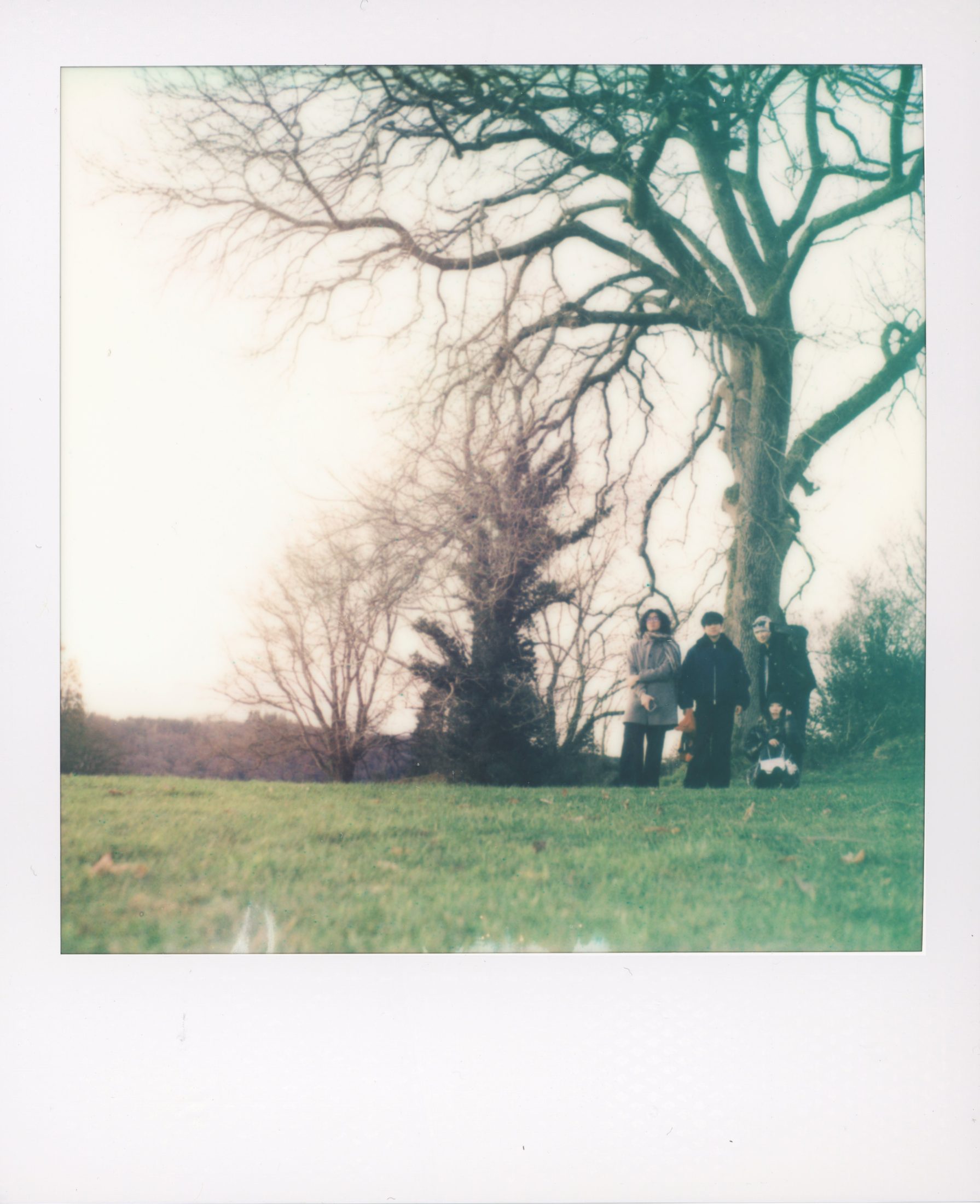
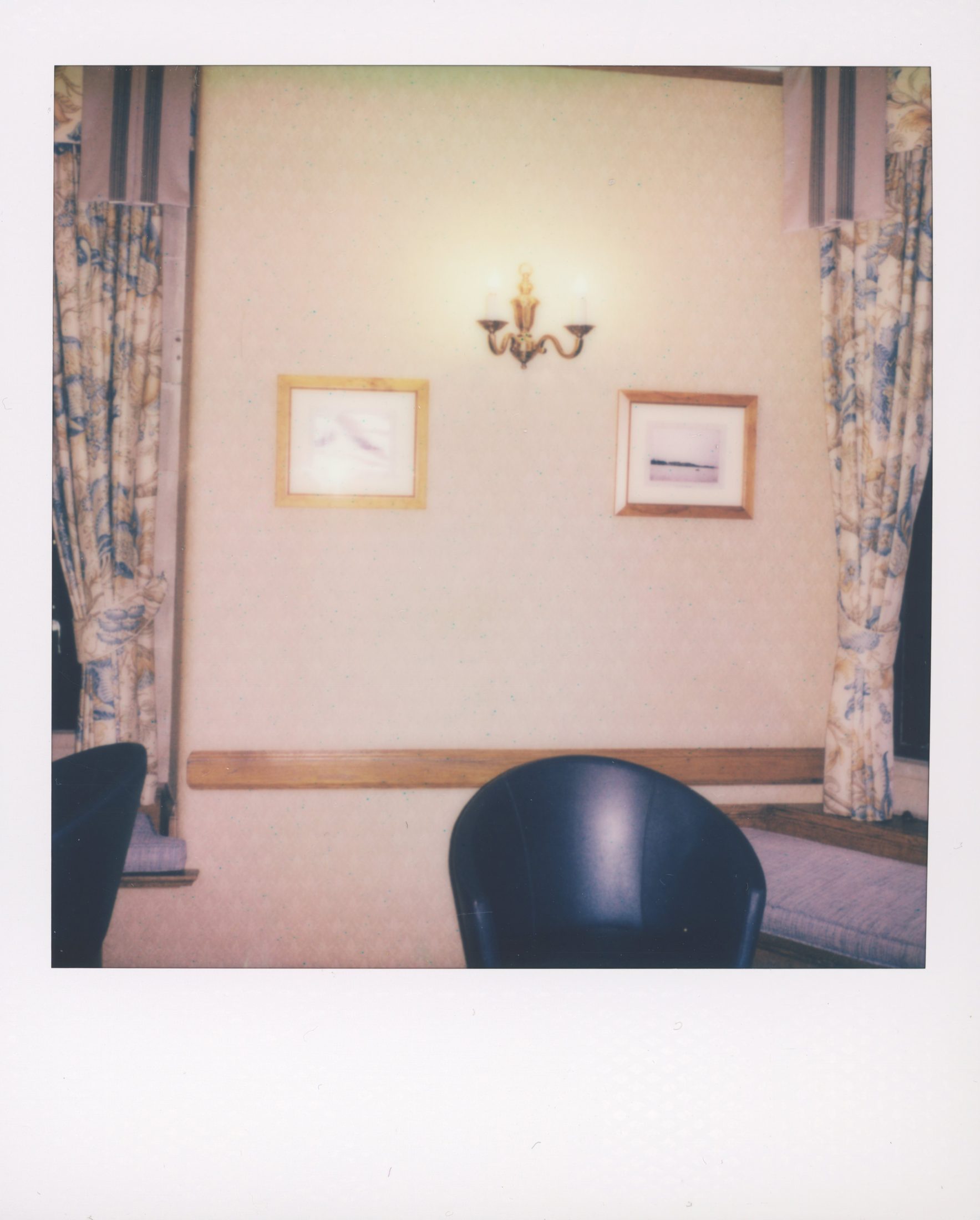
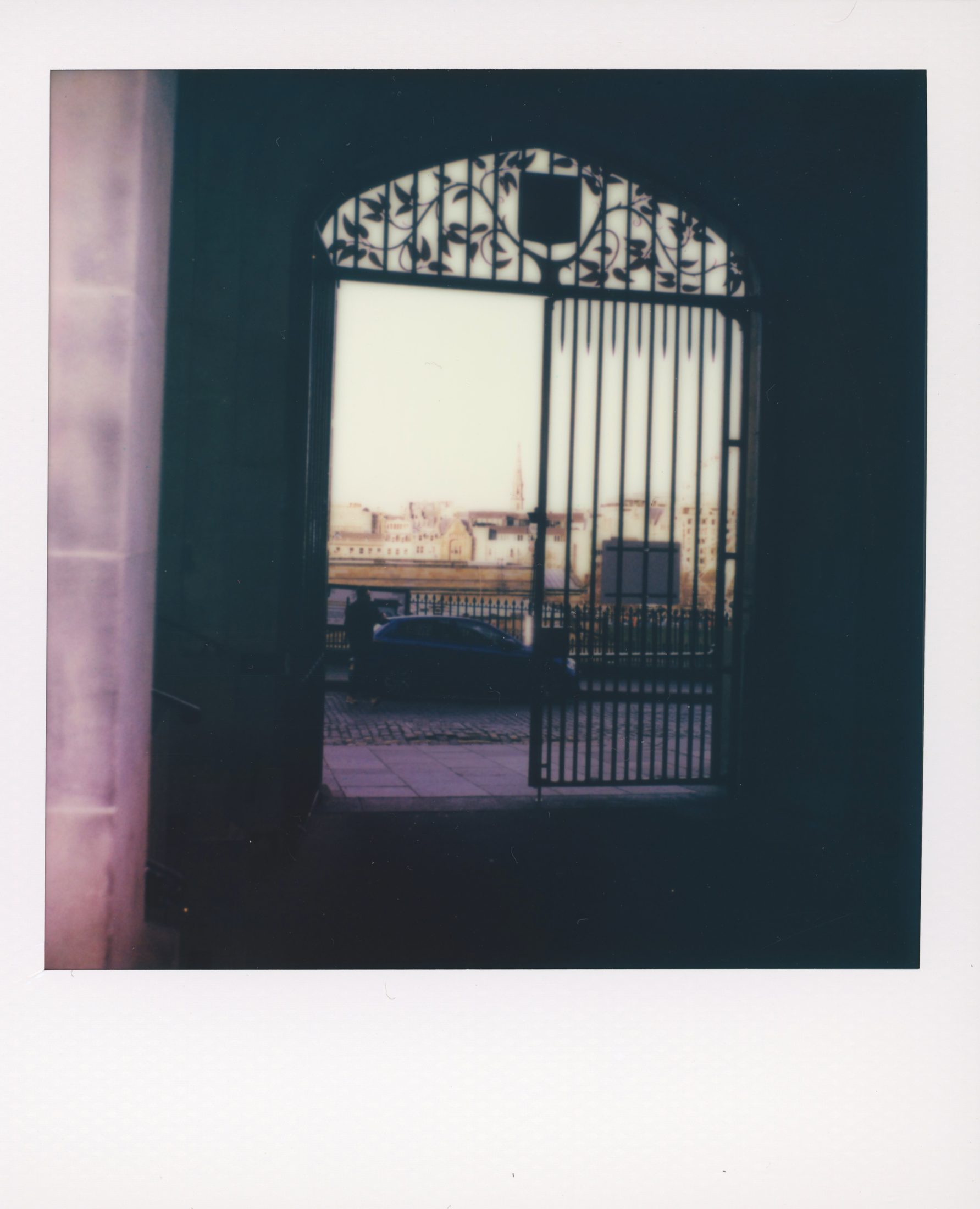
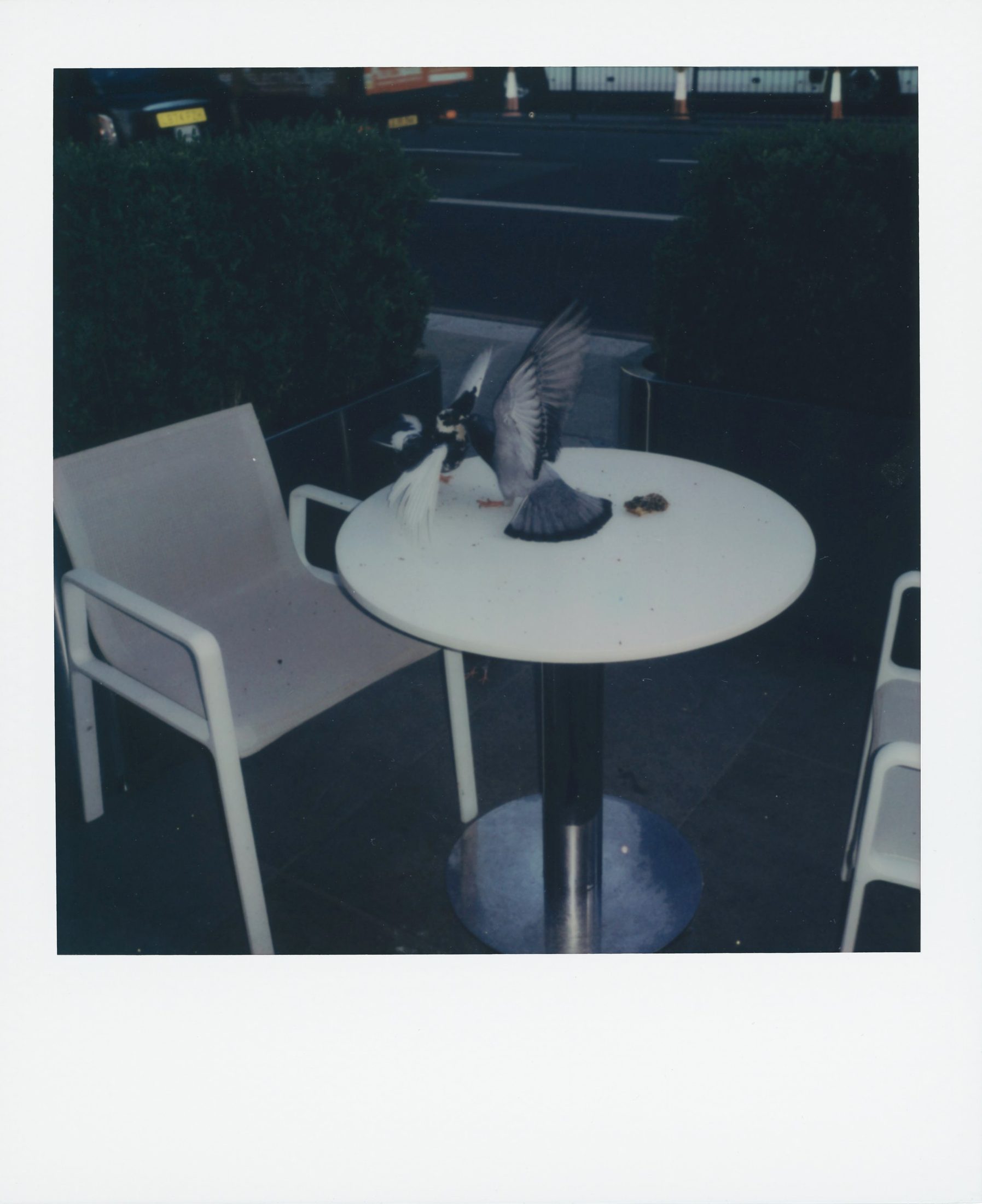
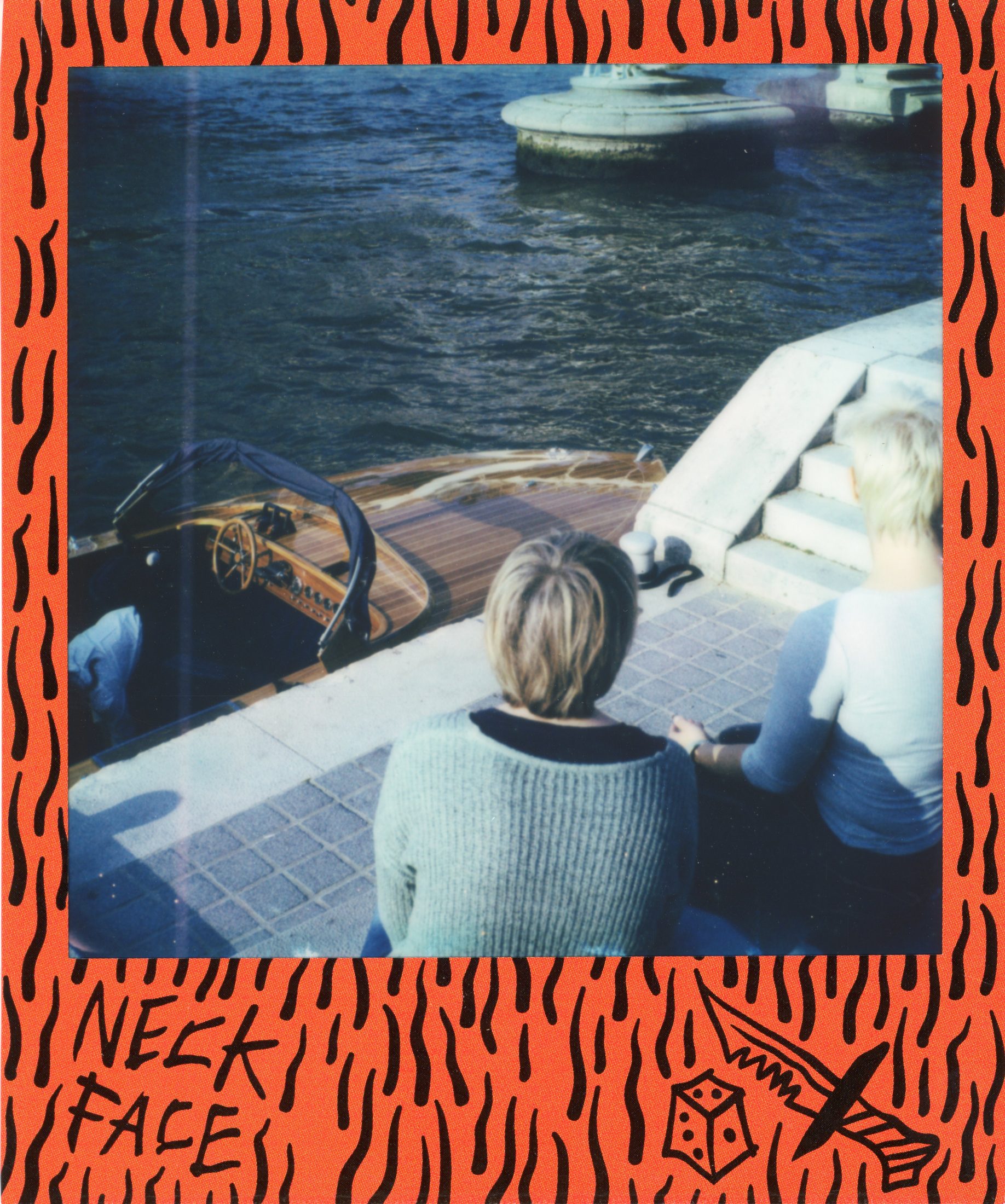
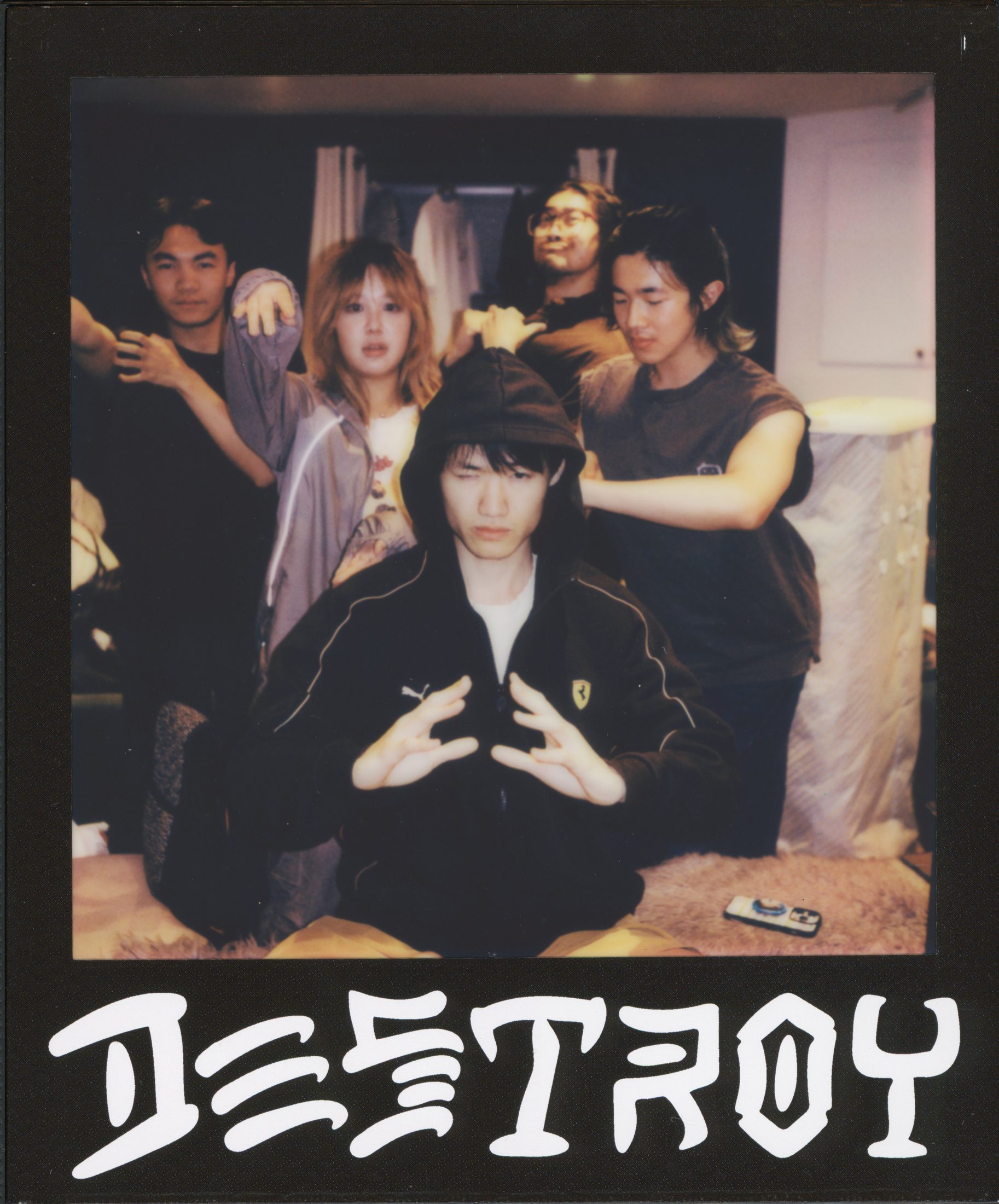
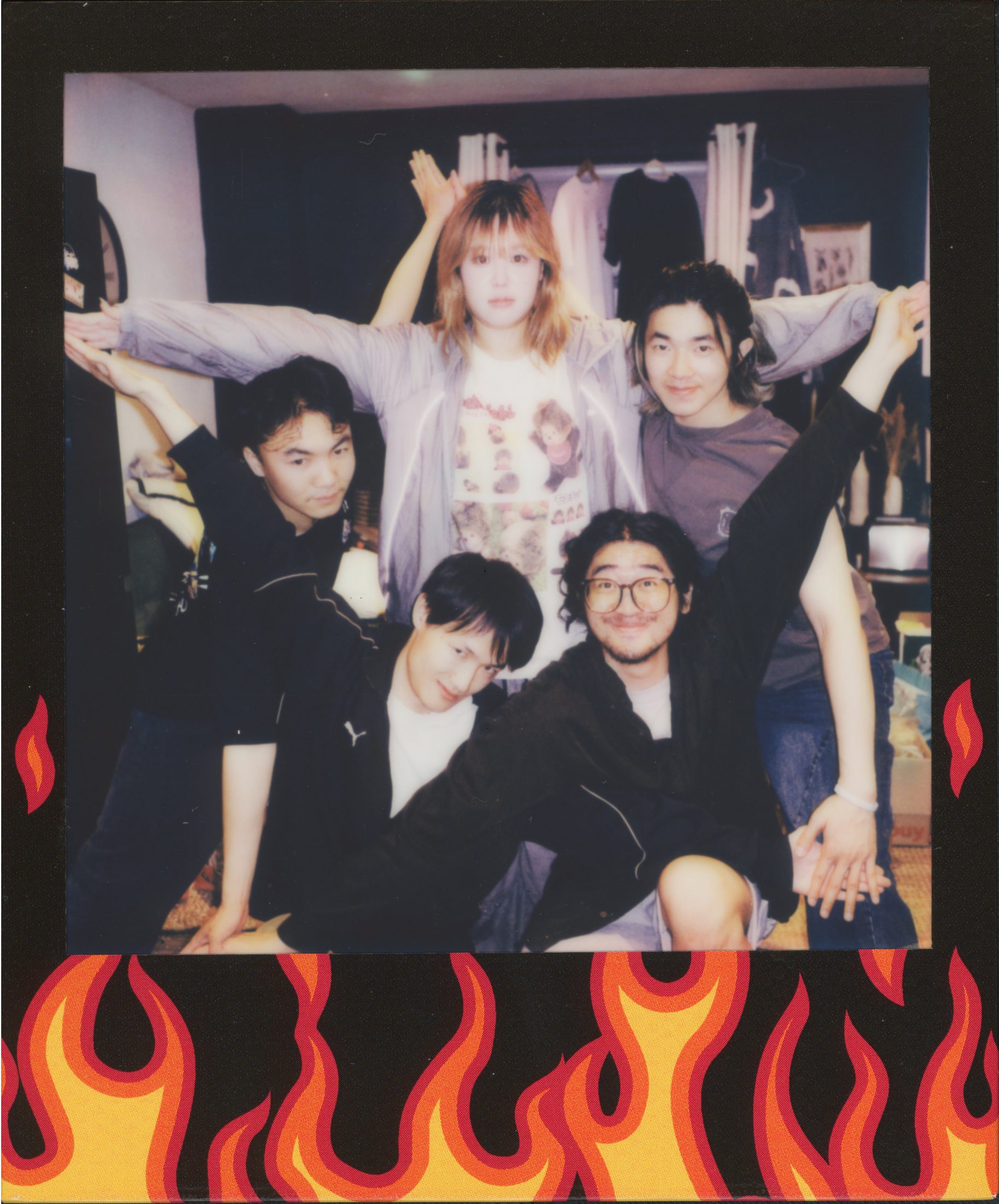
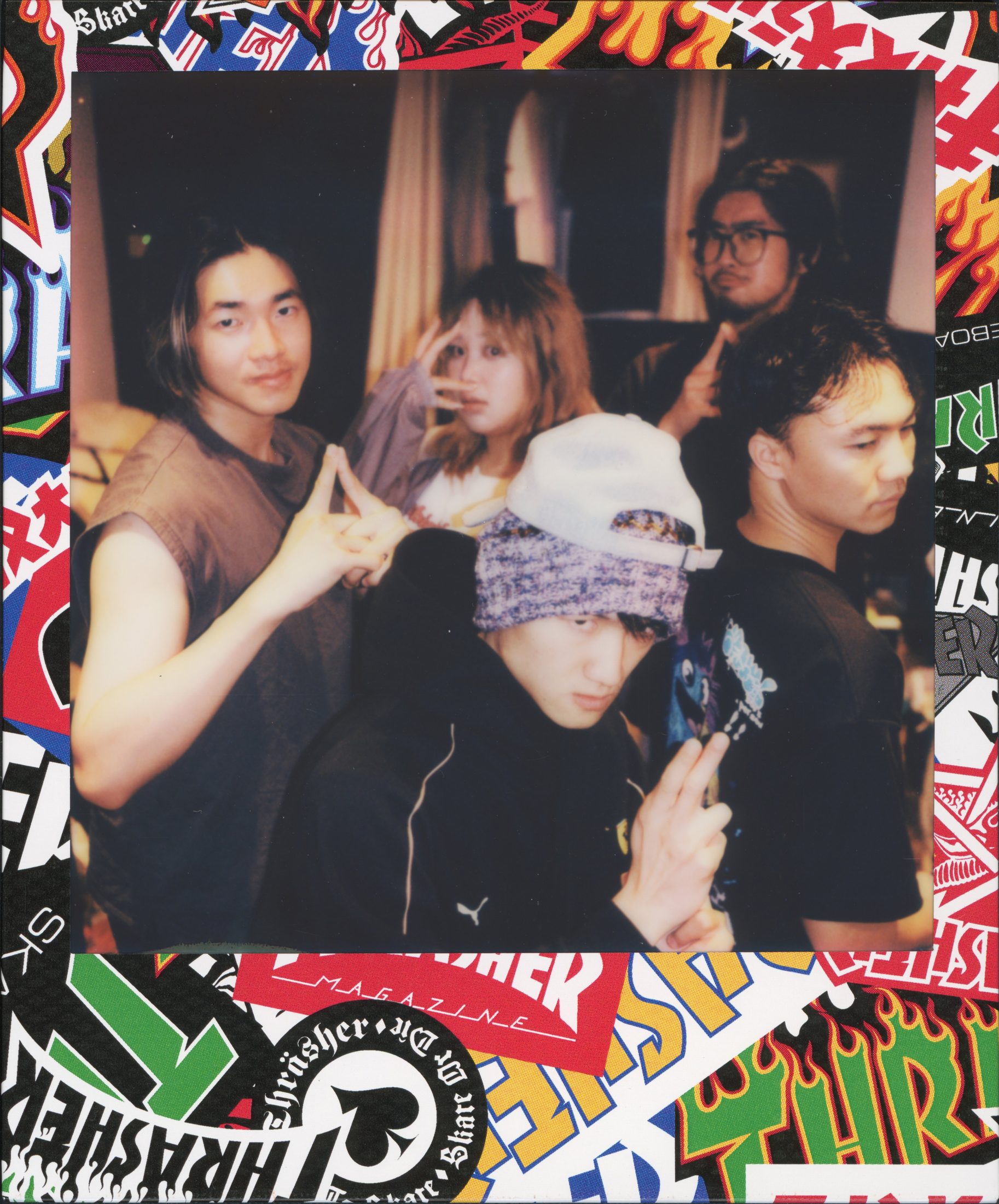
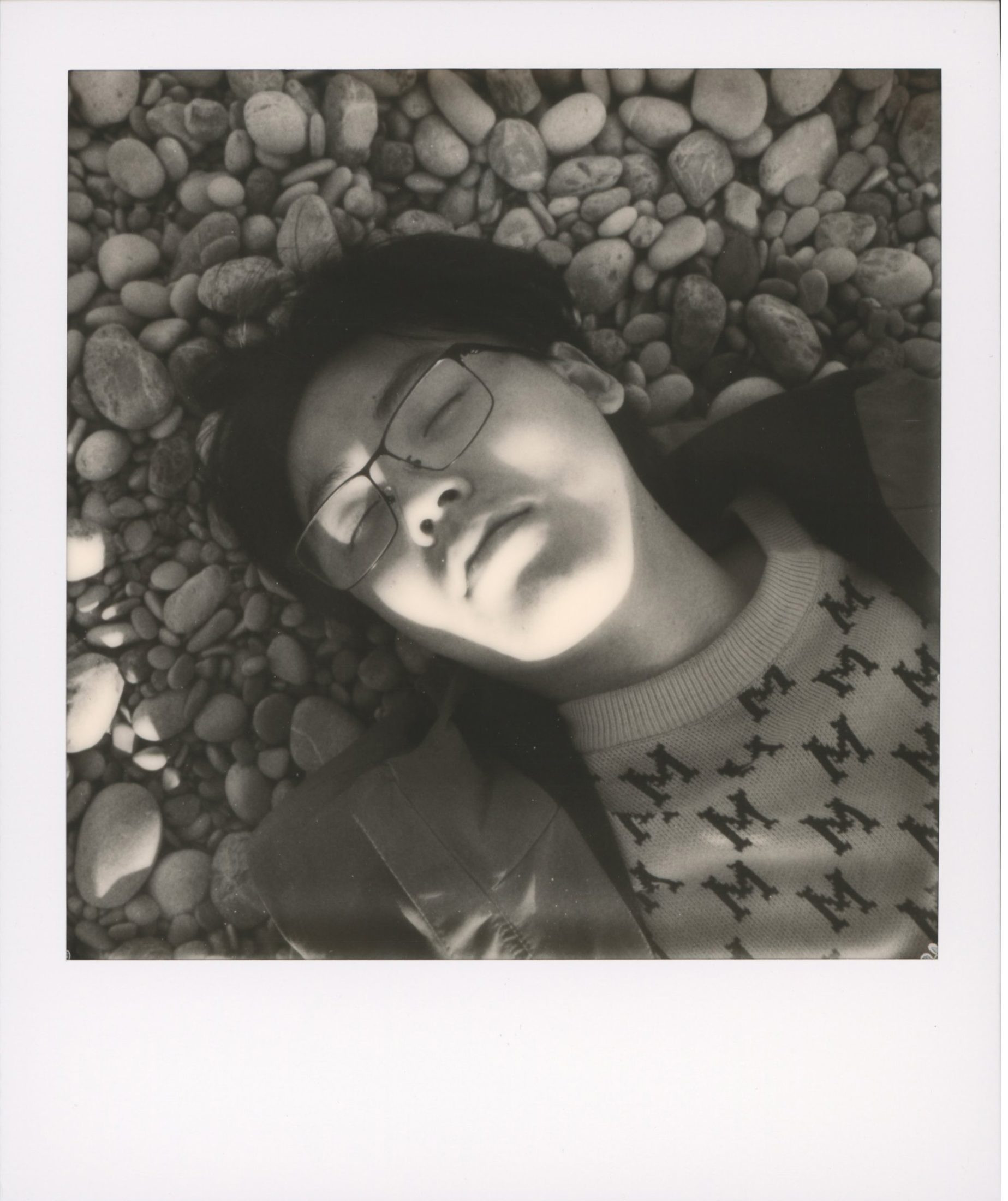
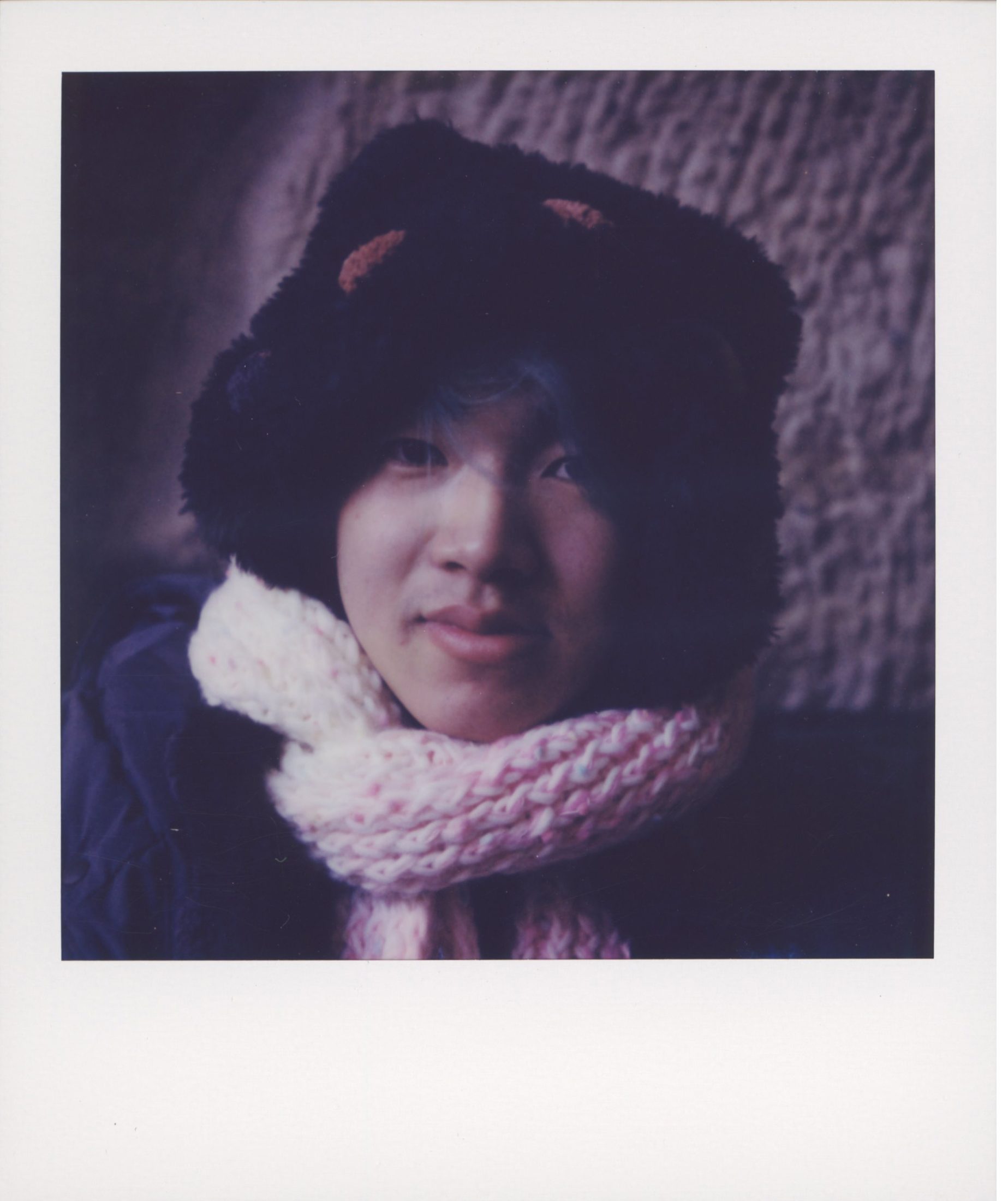
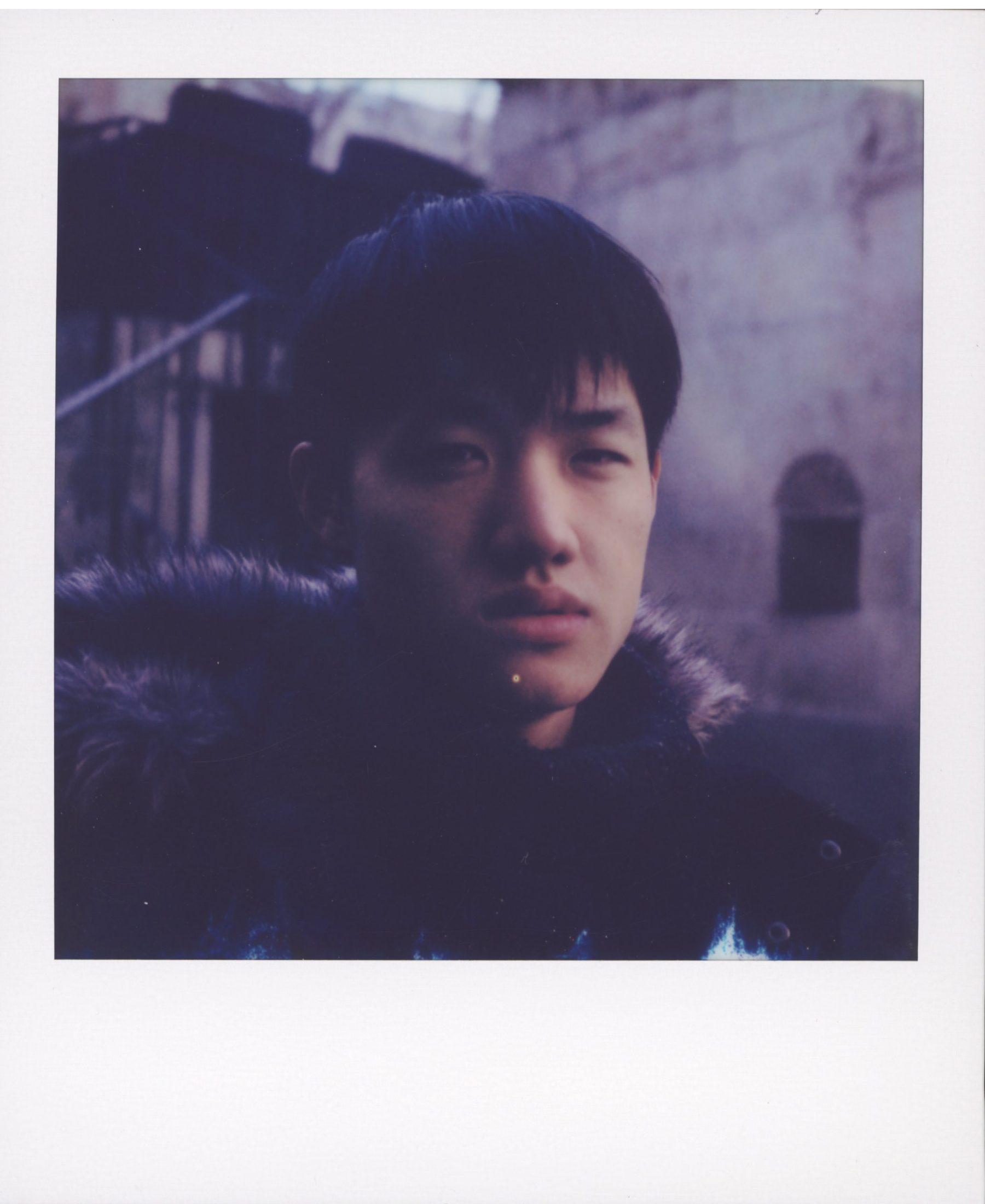
At the time, I rarely thought about whether I was making a project. More often, I simply thought a place looked beautiful, that the light was good, or that a friend looked interesting at that particular moment, and pressed the shutter. Some photographs were carefully taken after everyone had found their place; others were caught by chance while we talked or spent time together. The reason for taking a photograph was often simple, sometimes too fleeting to become a complete sentence.
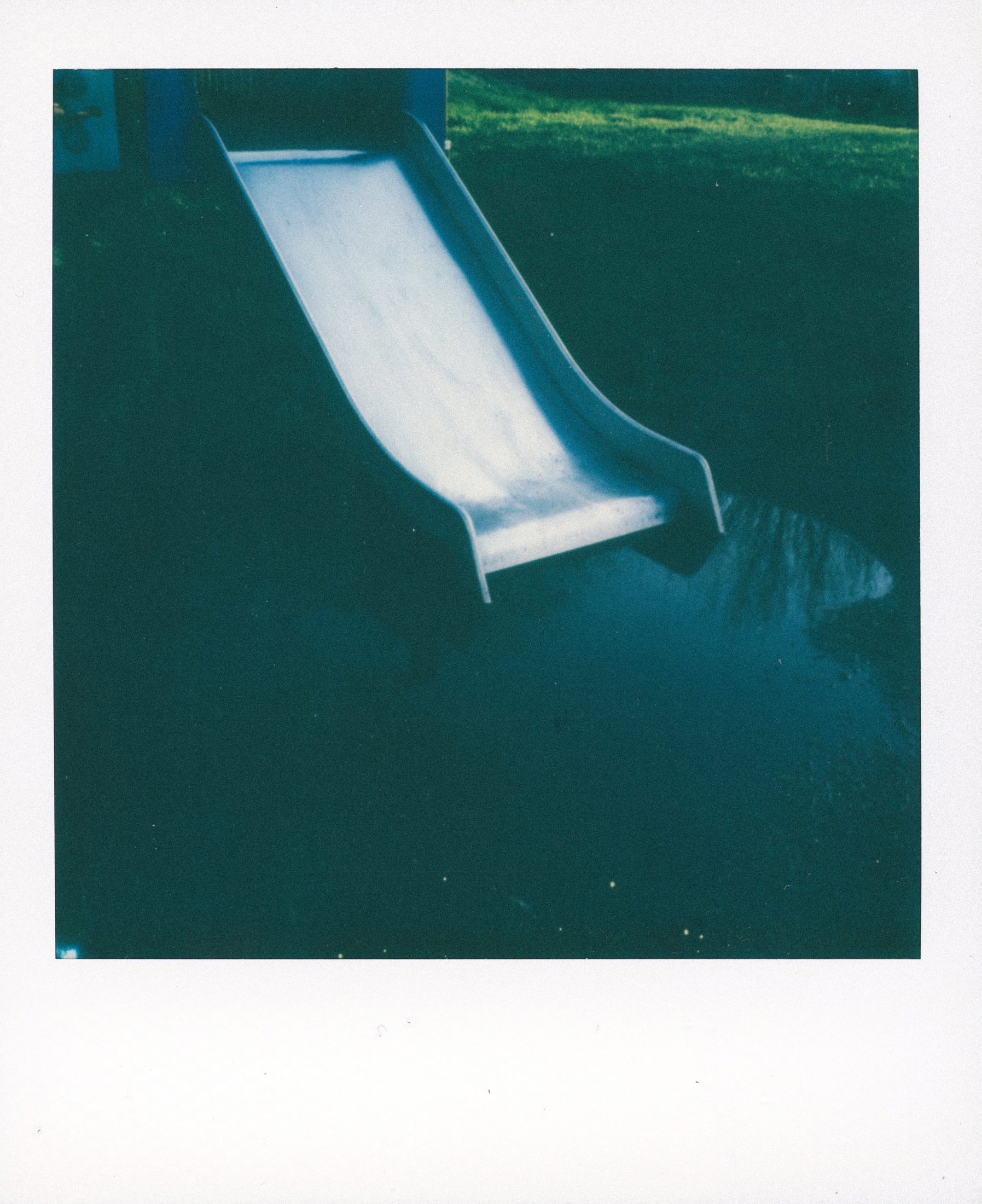
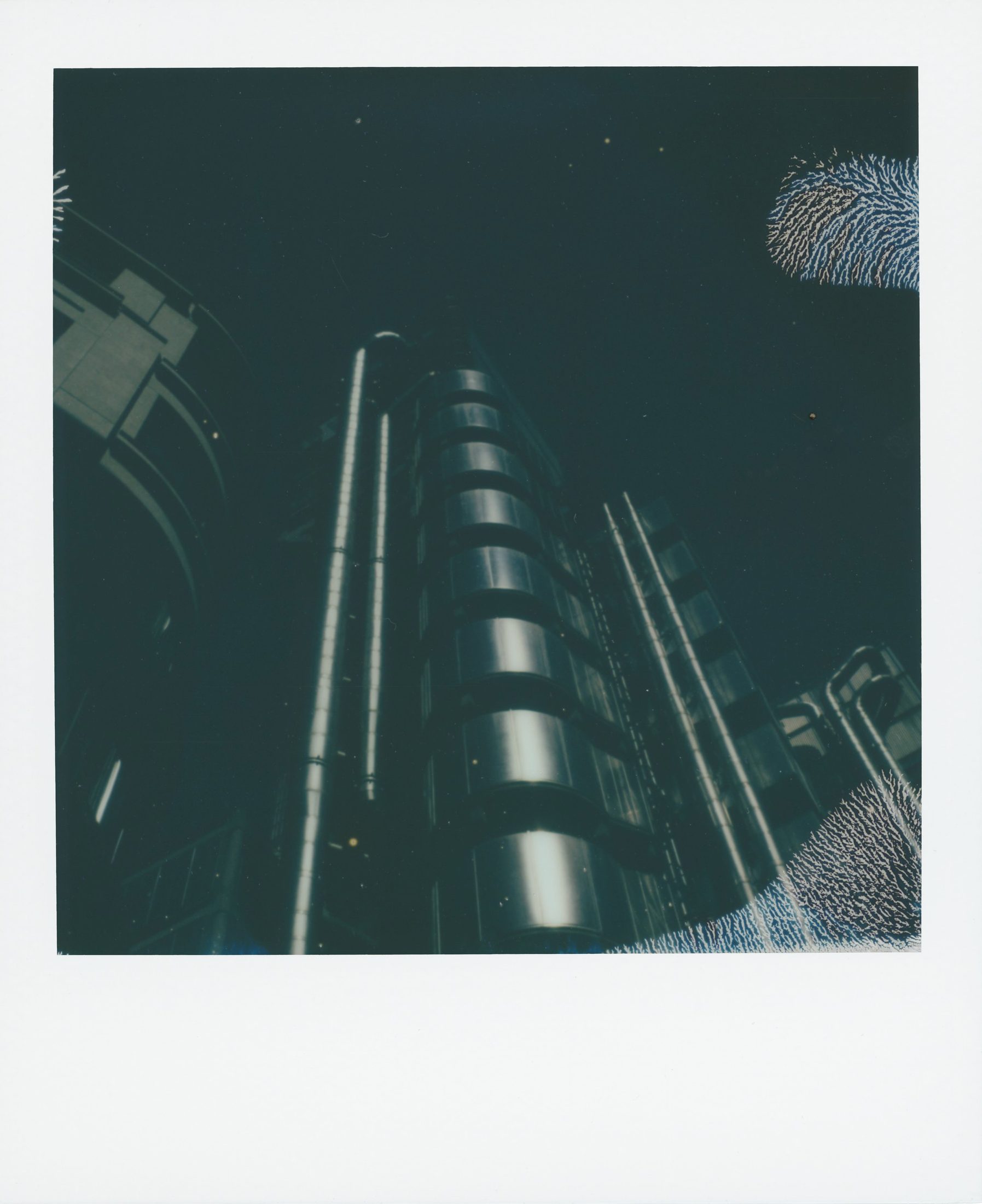
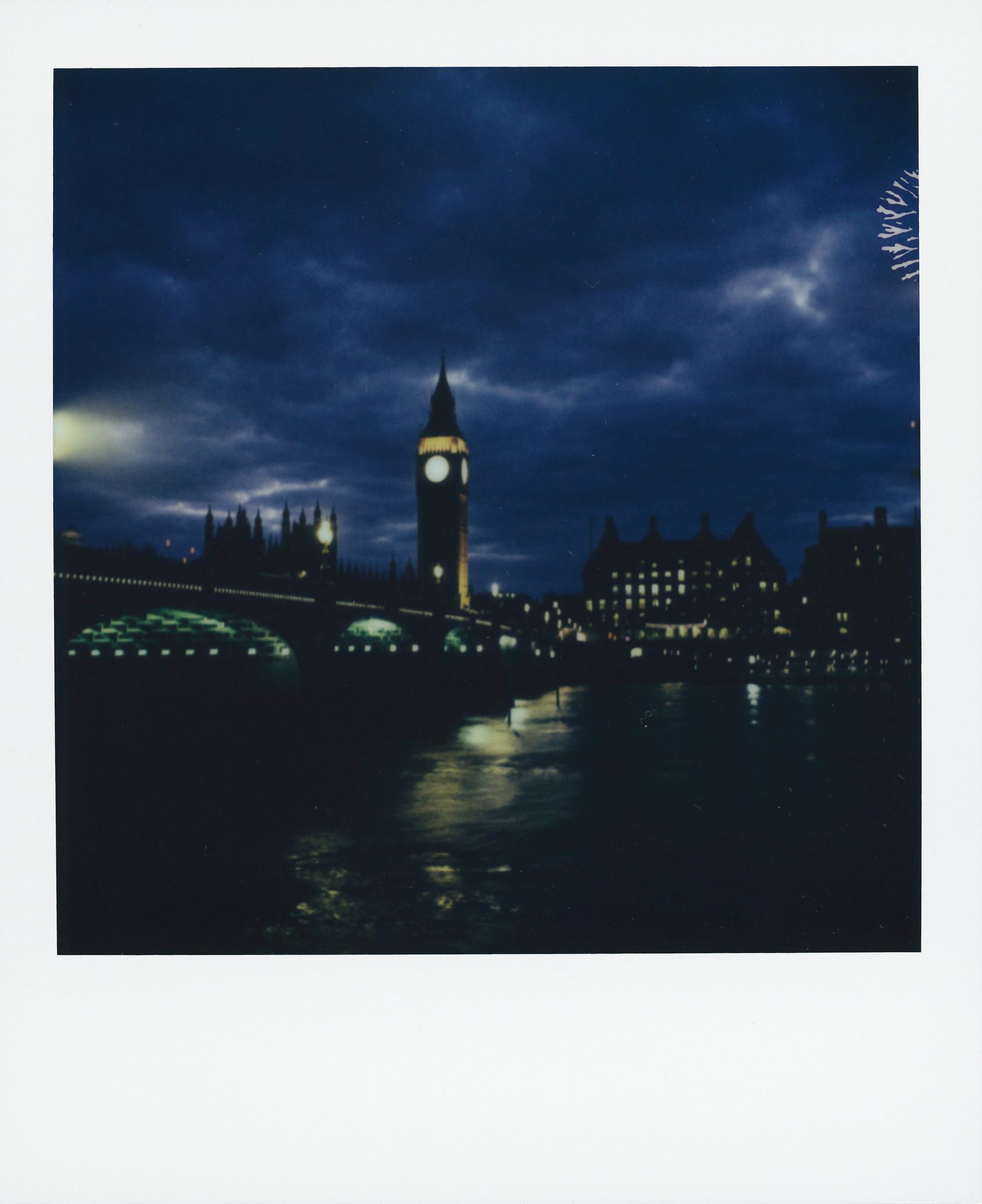
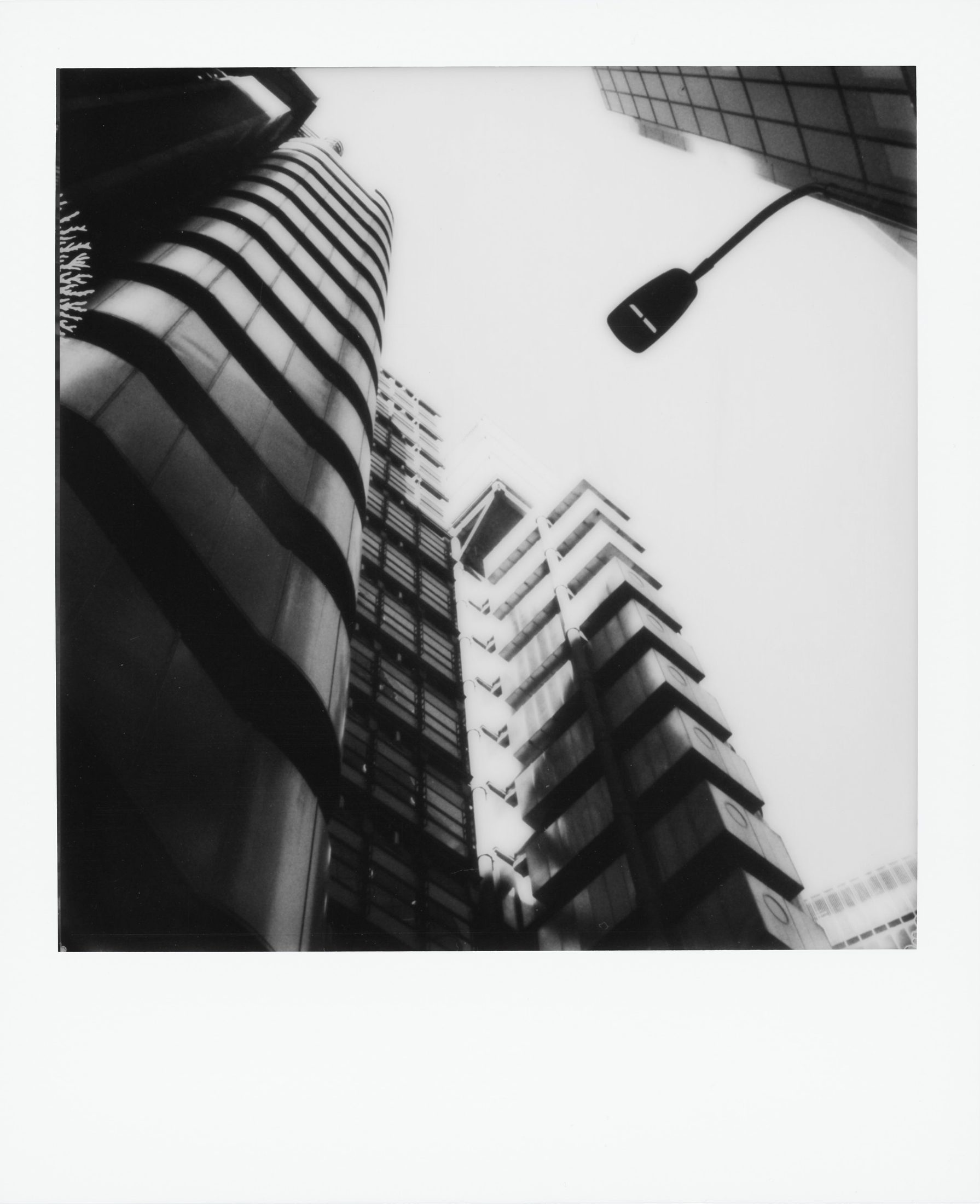
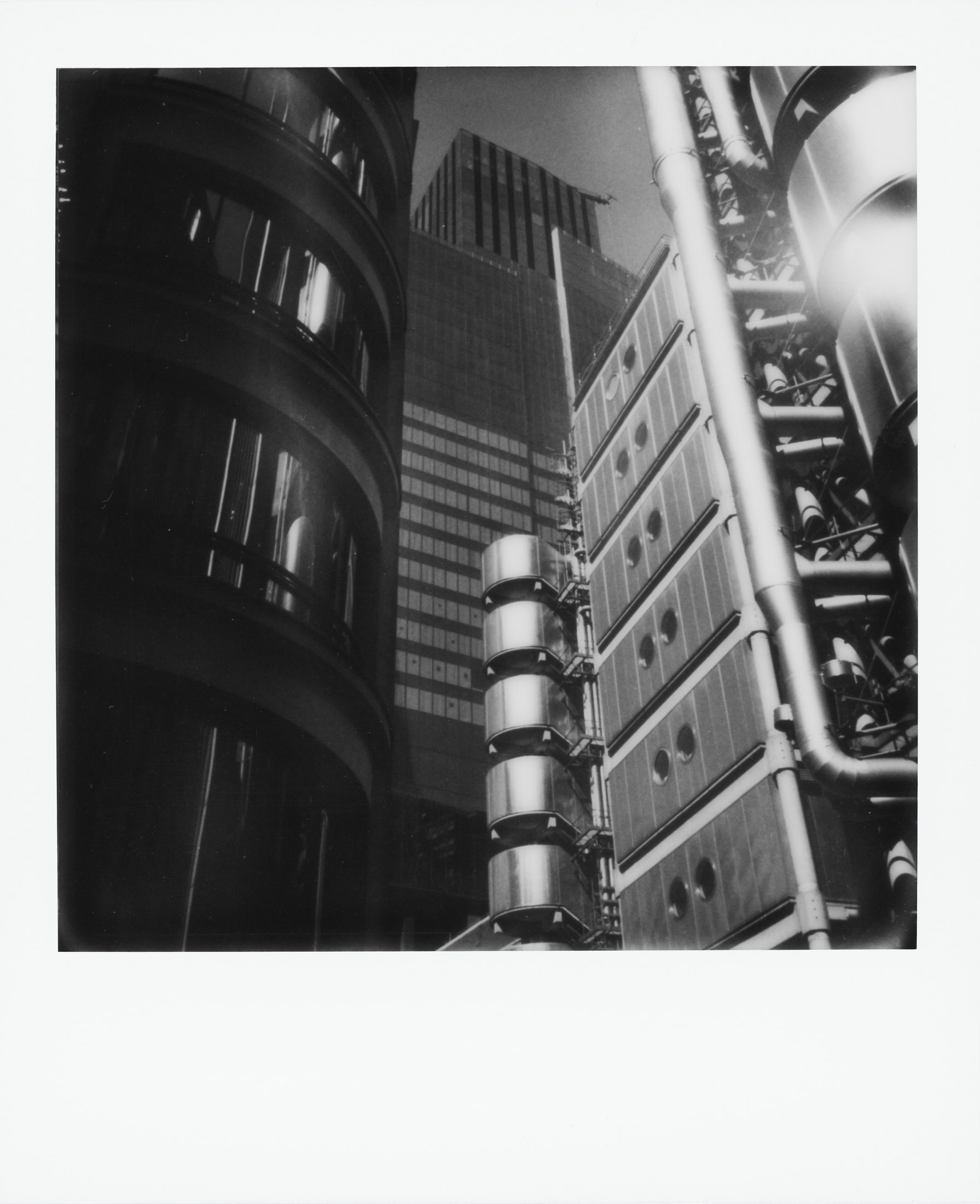
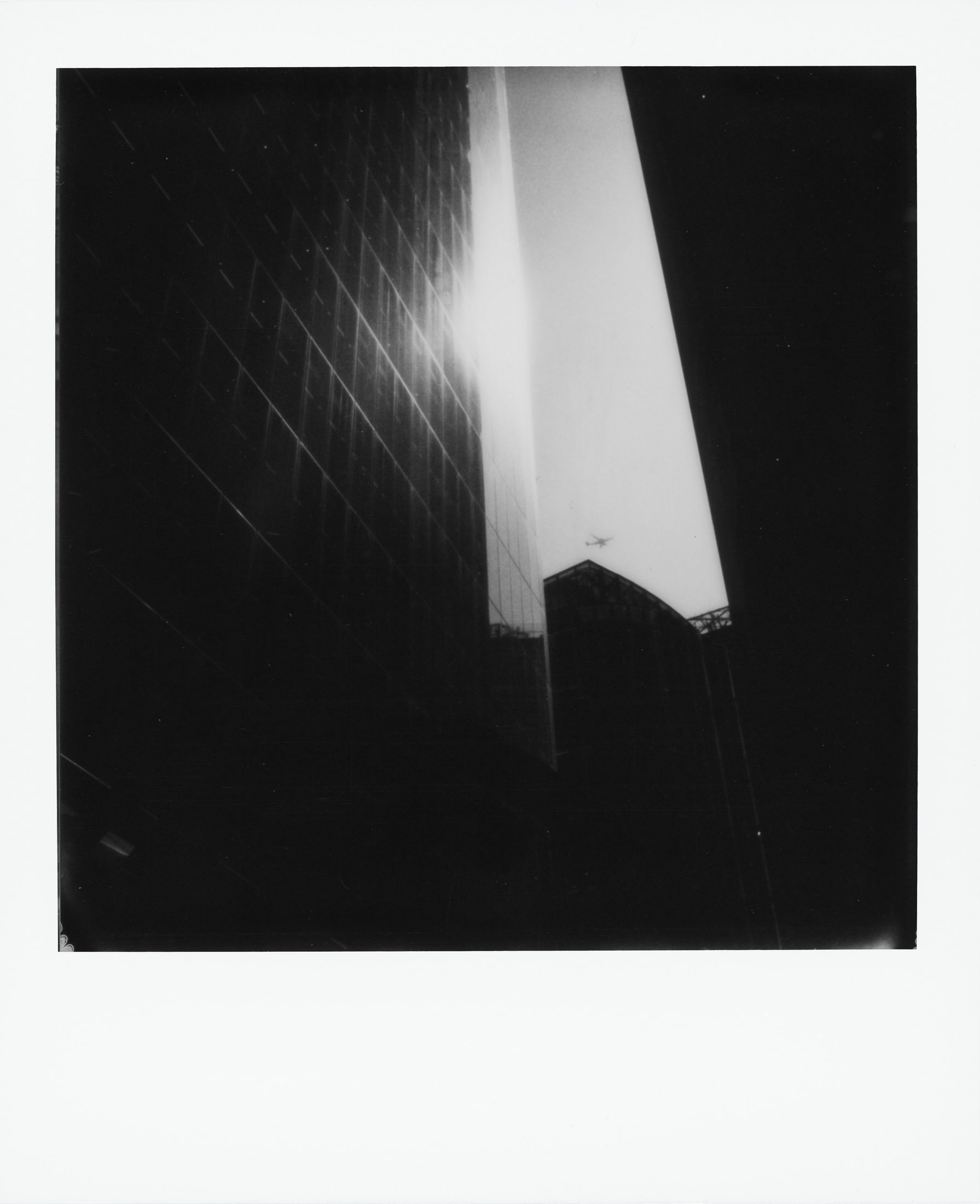
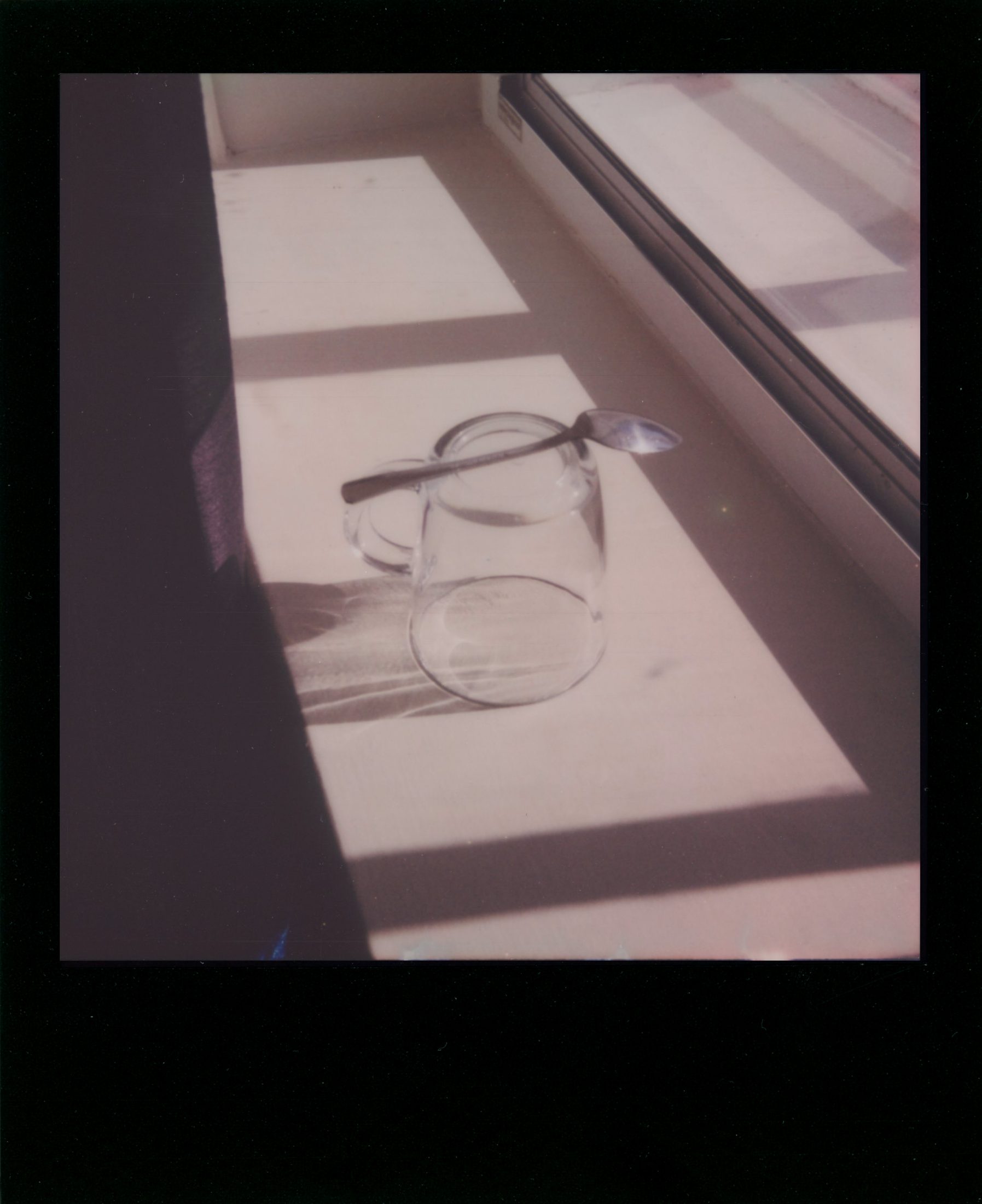
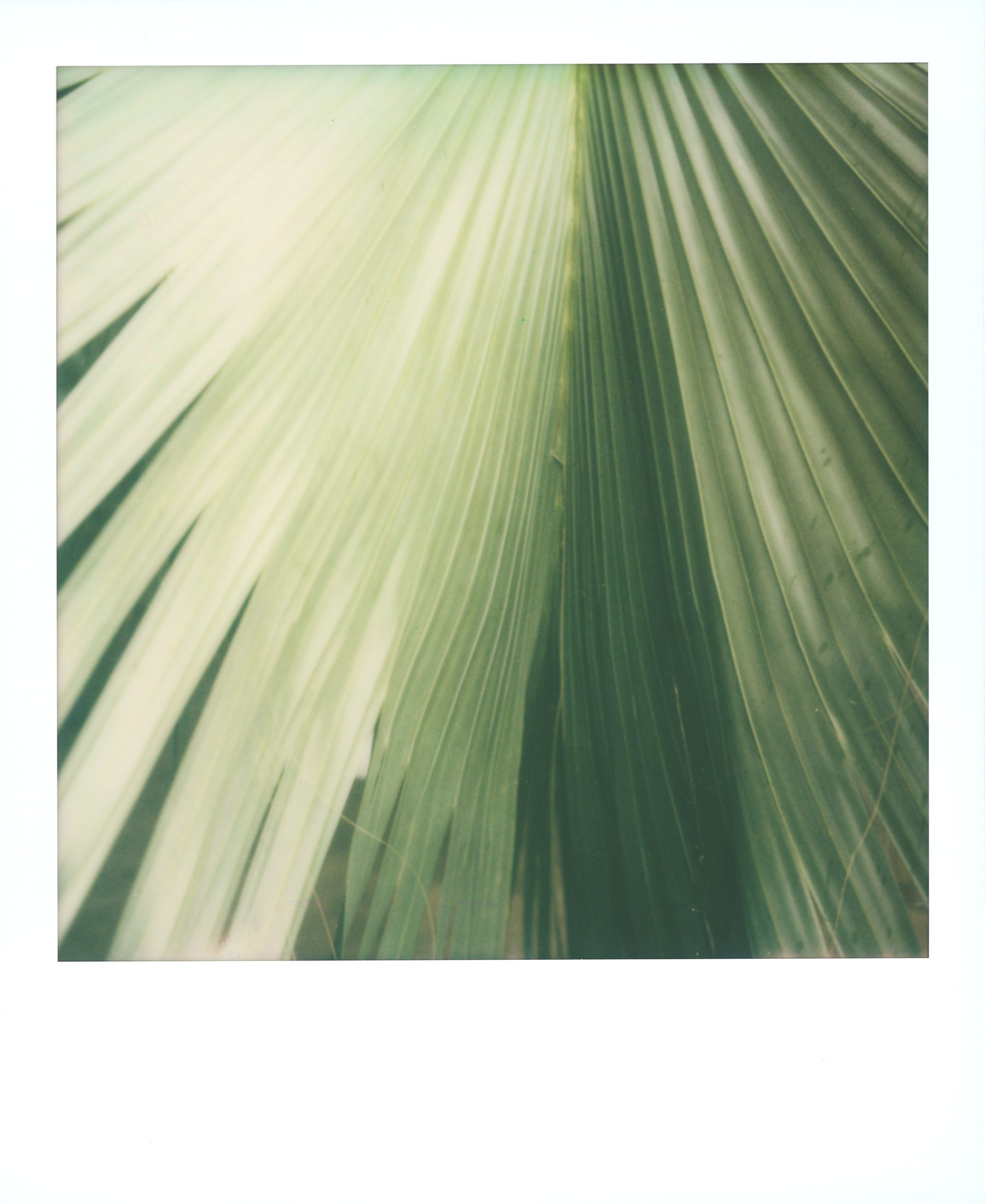
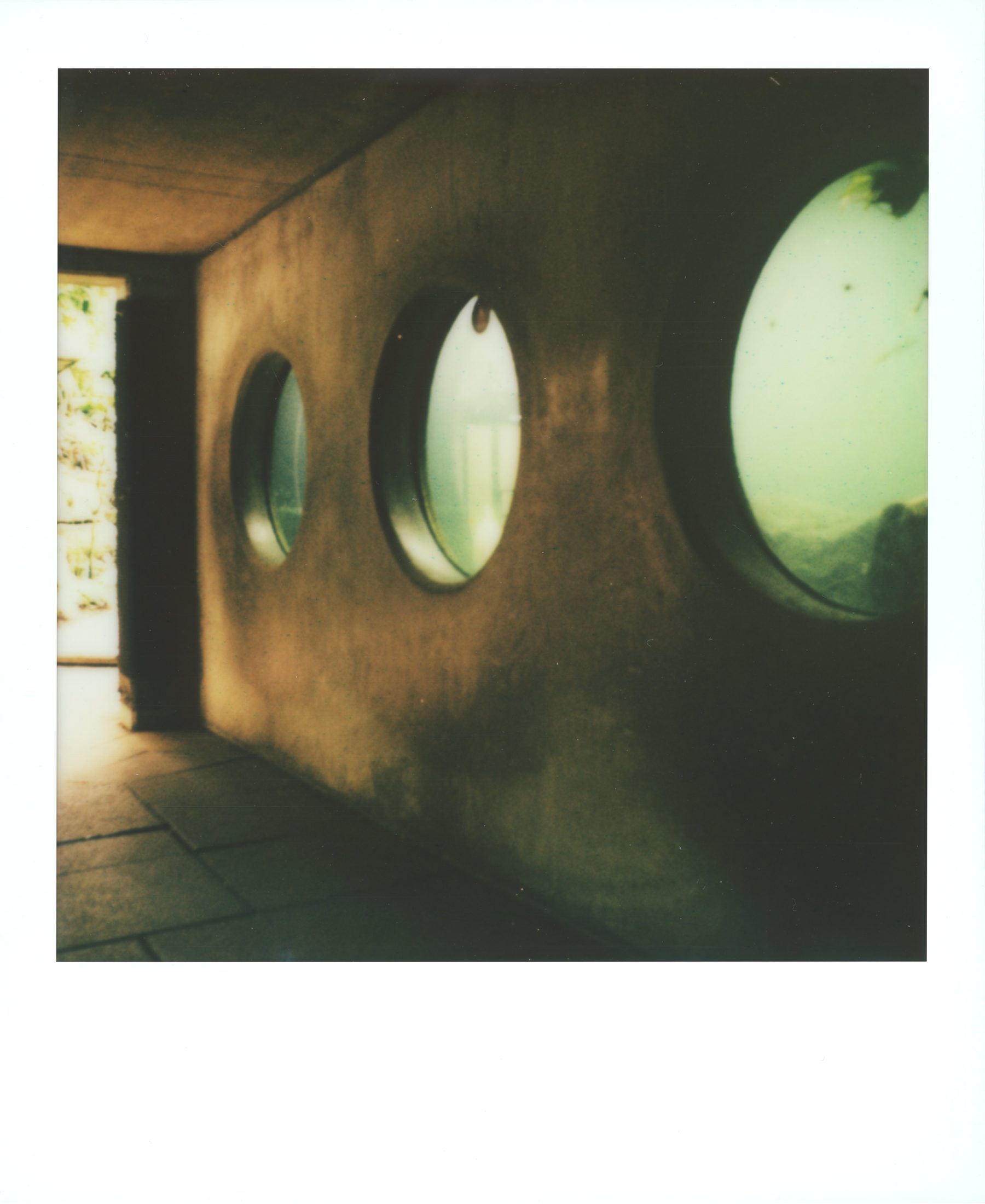
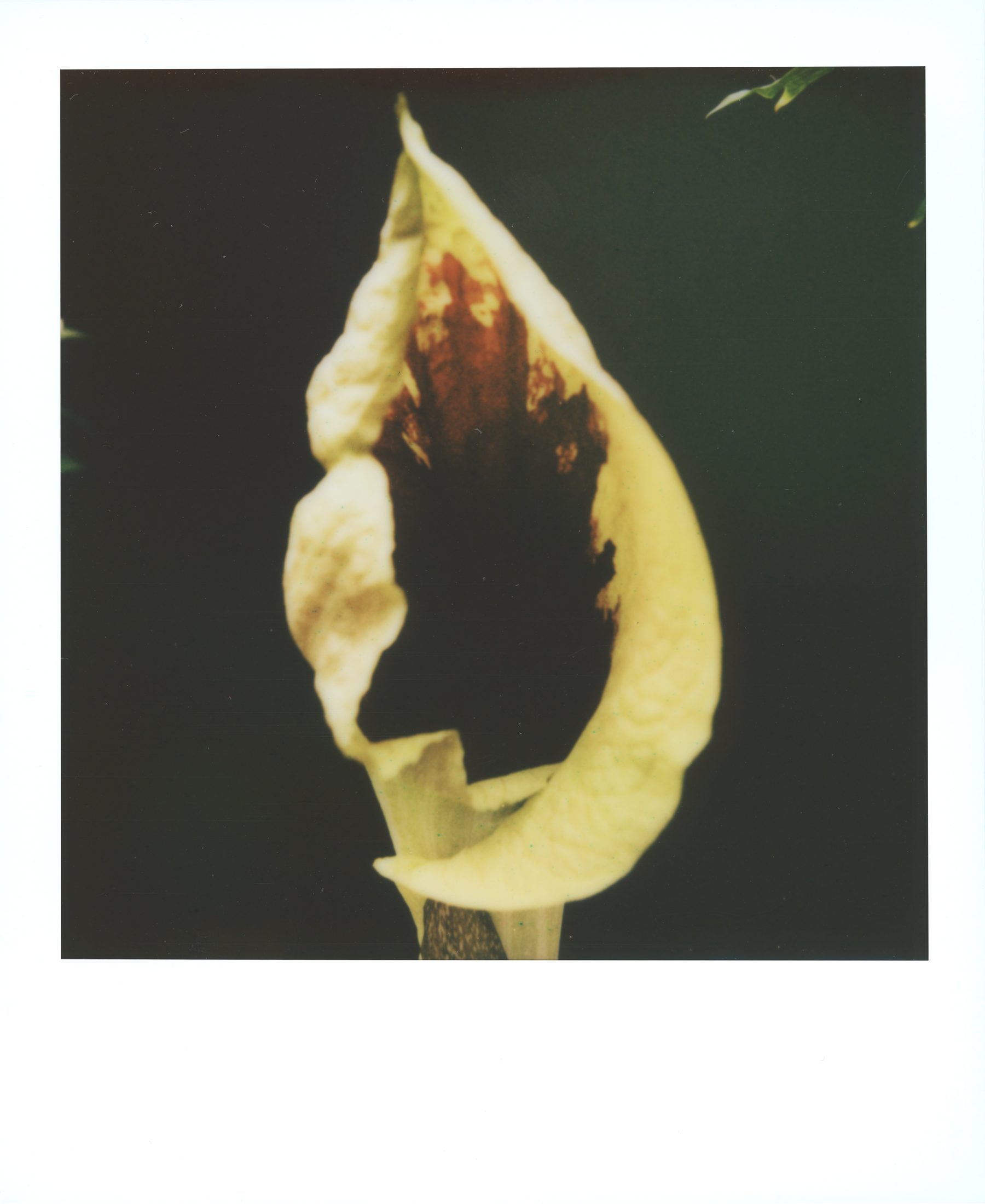
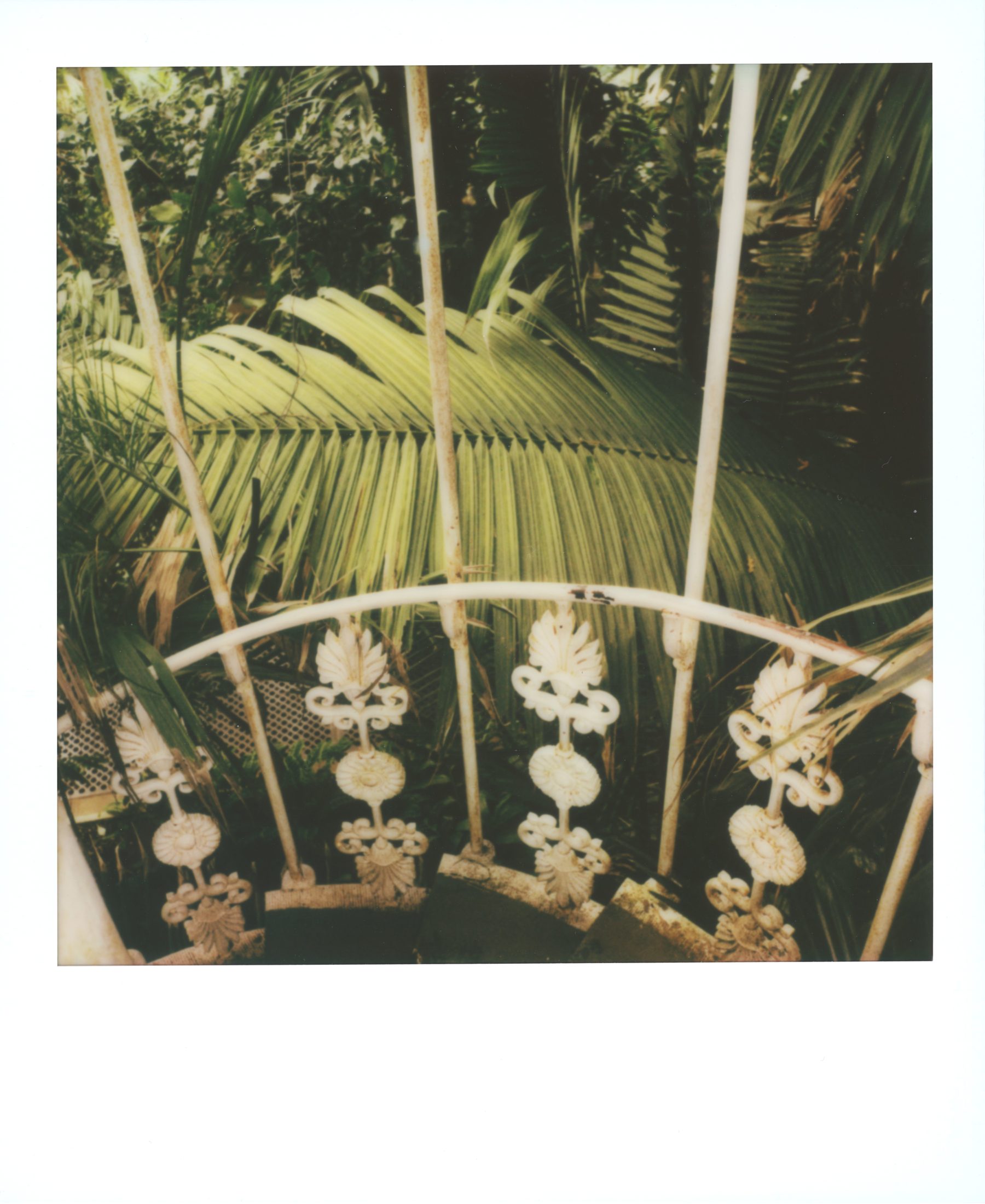
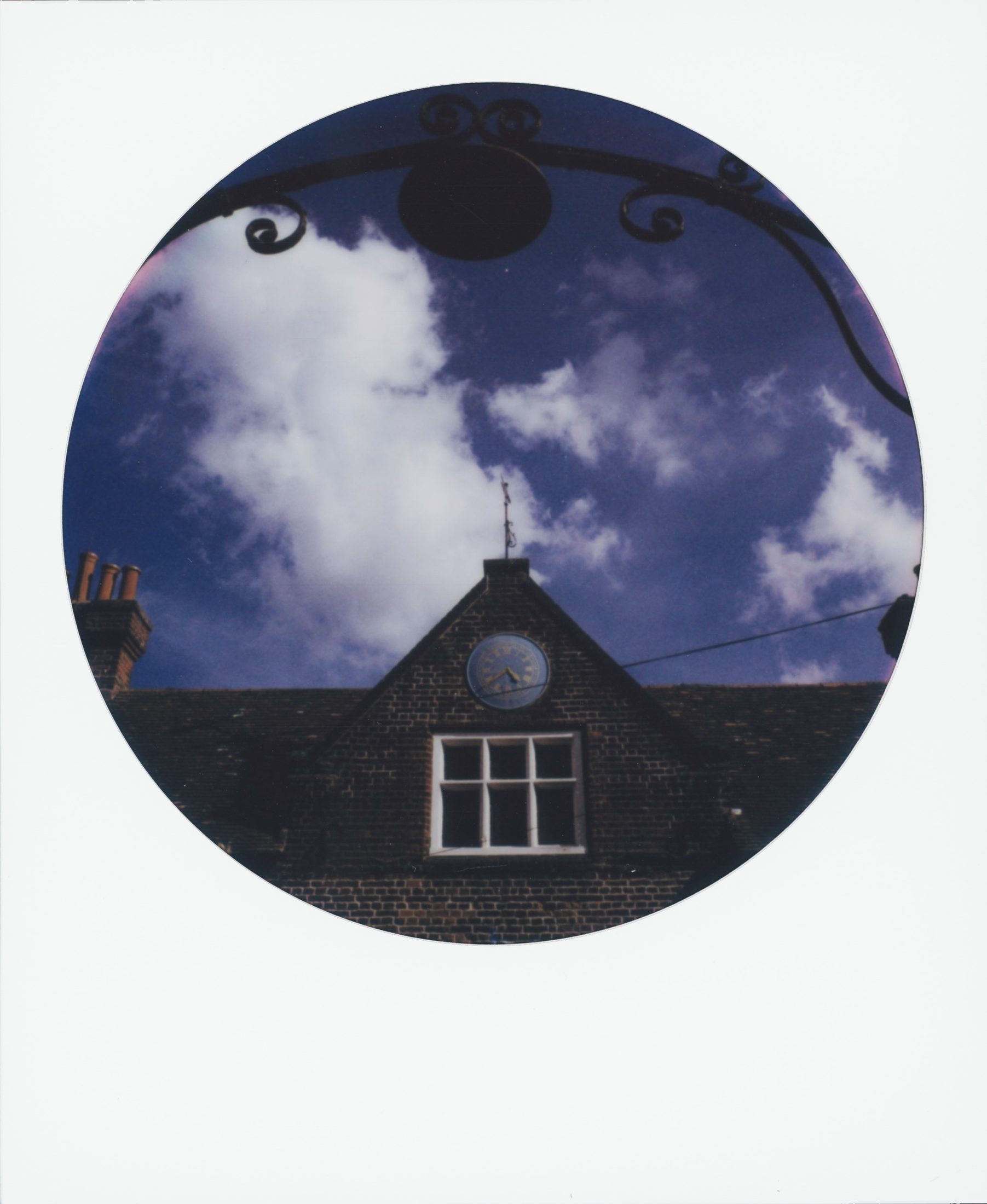
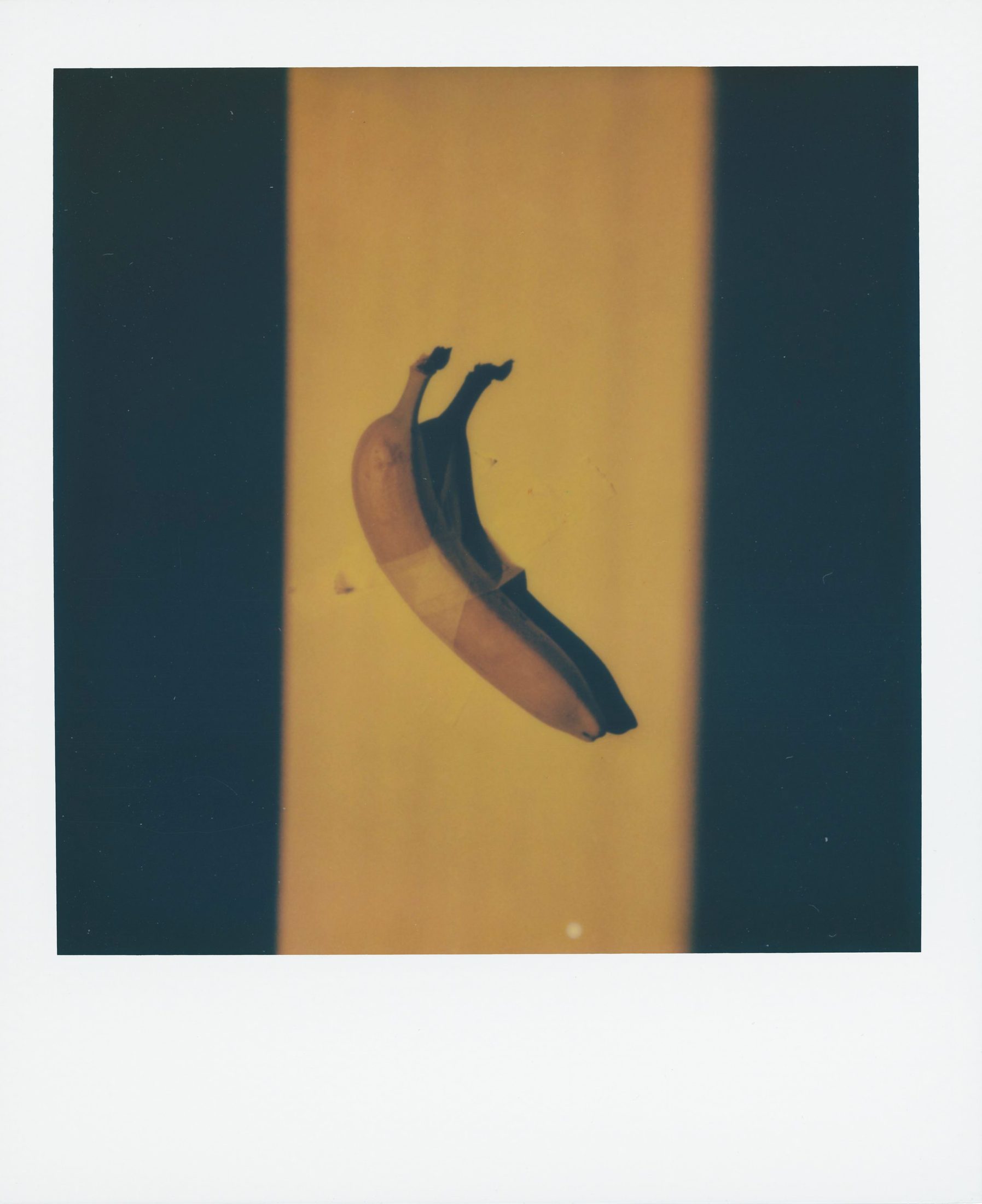
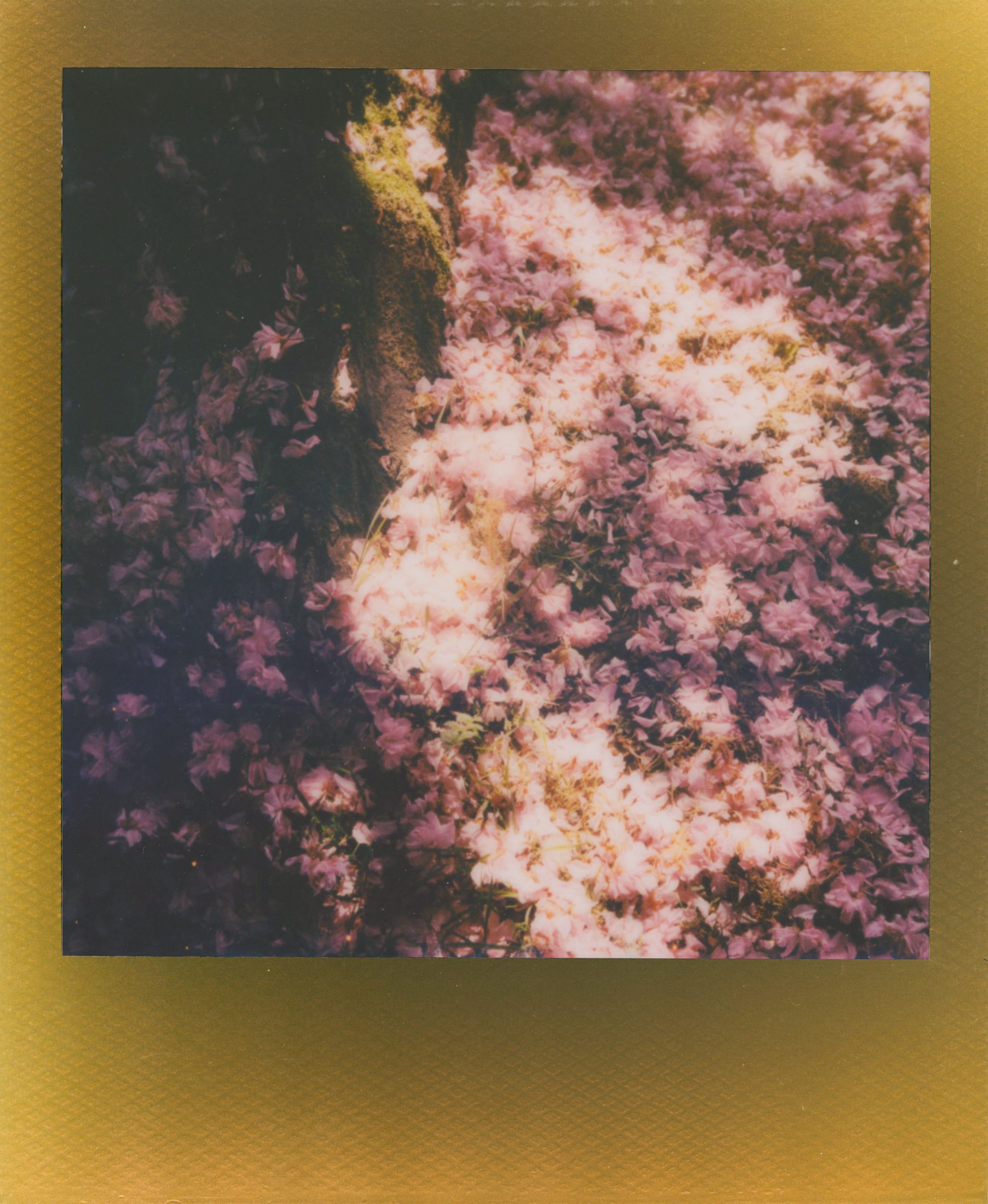
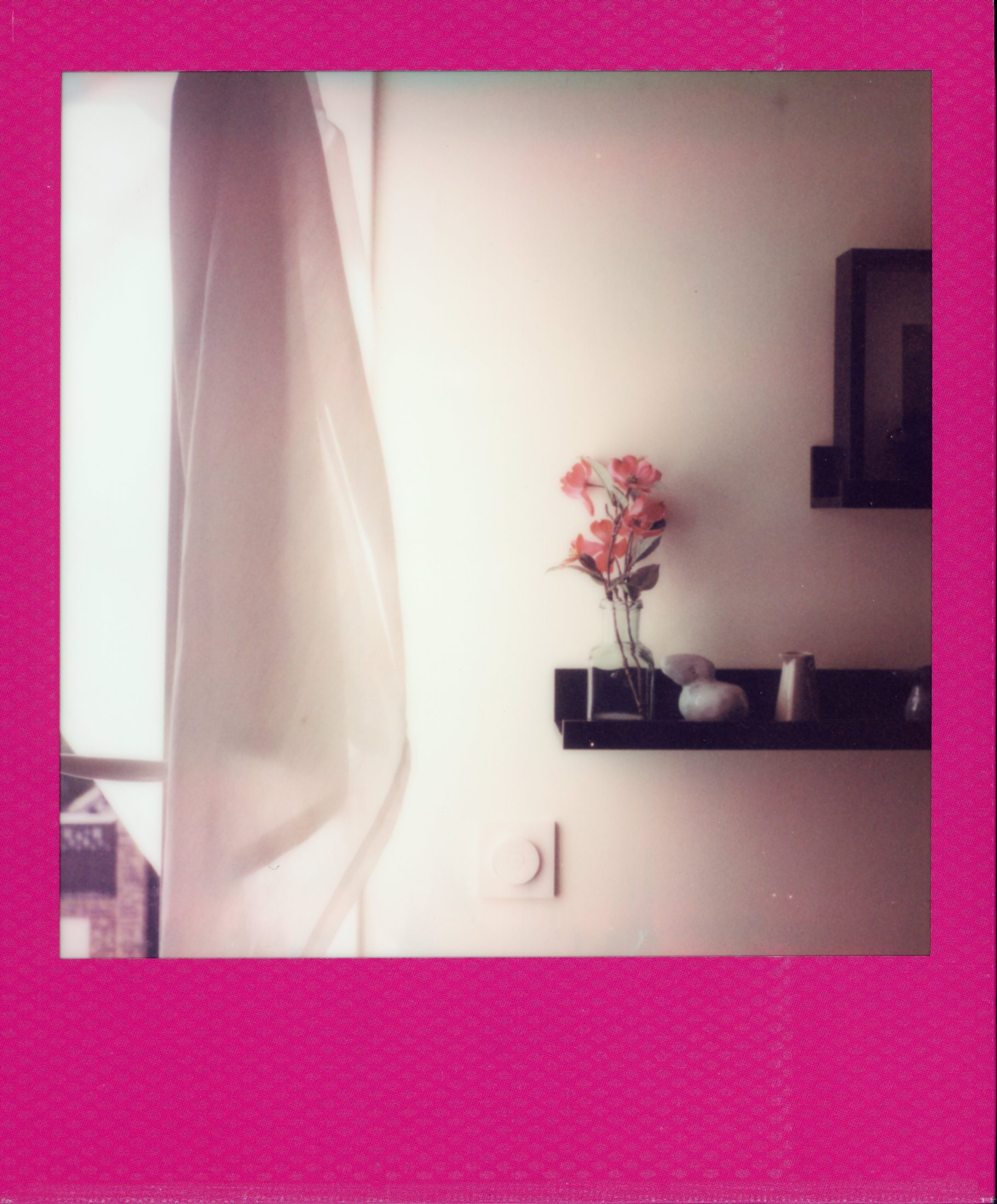
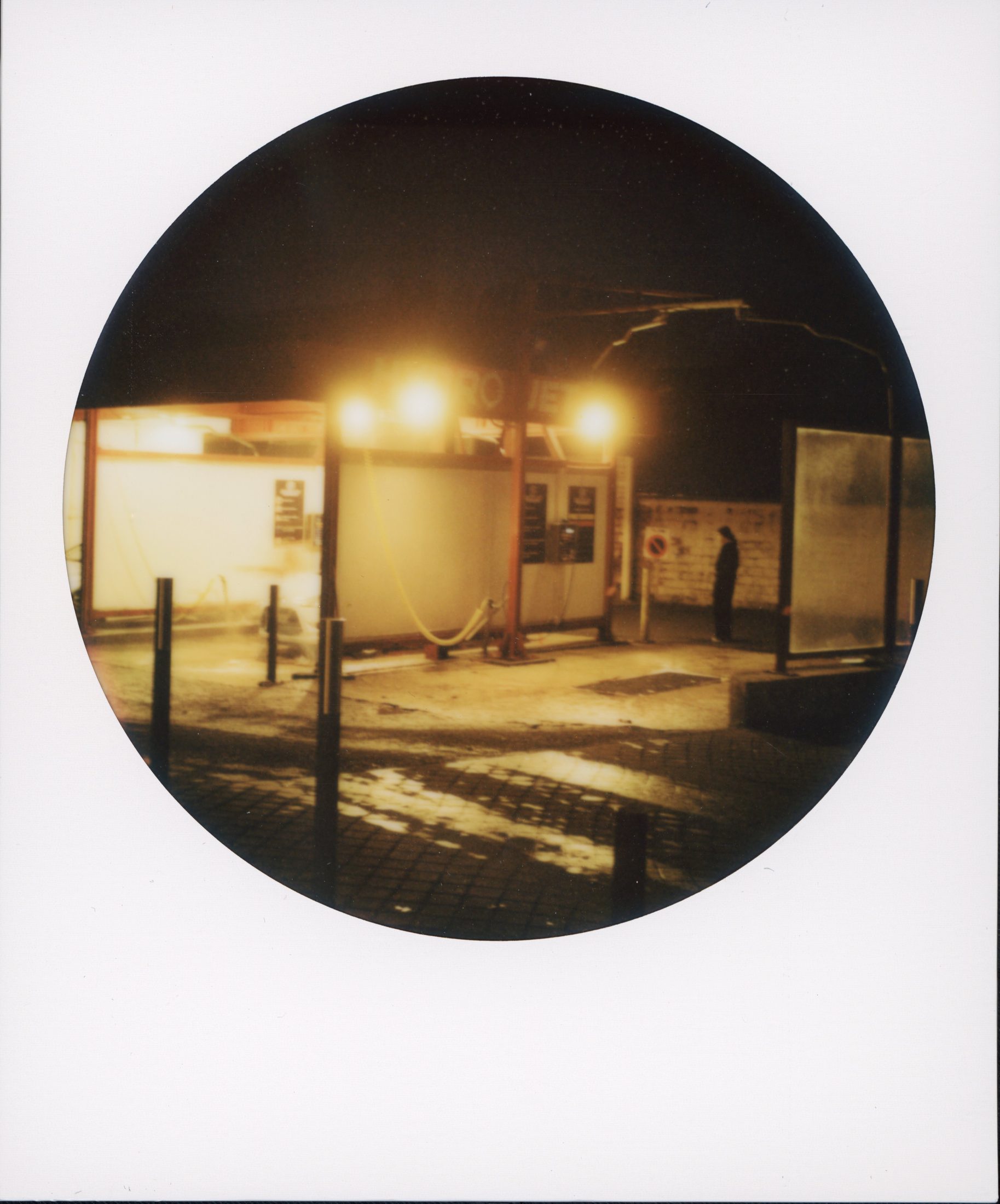
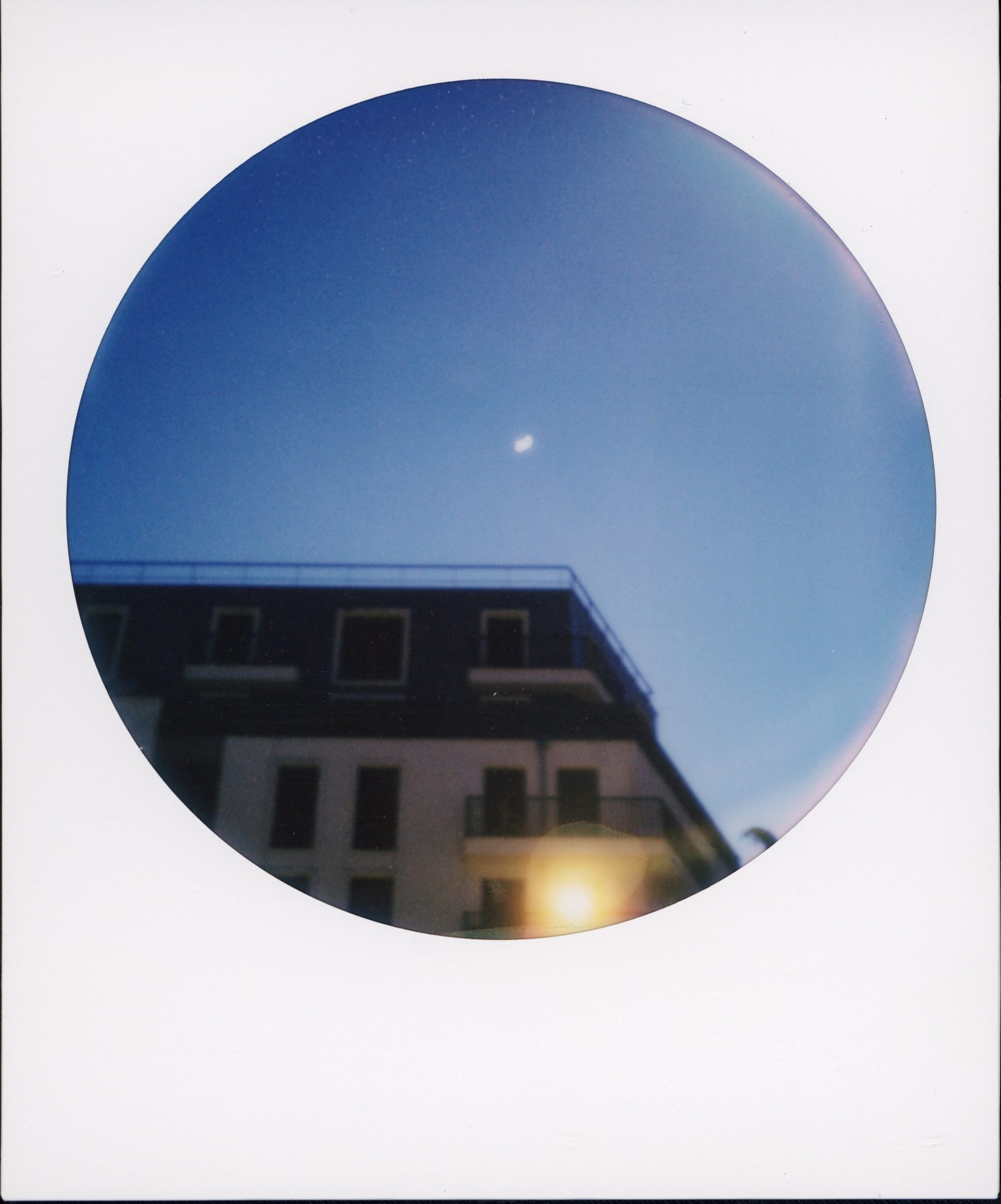
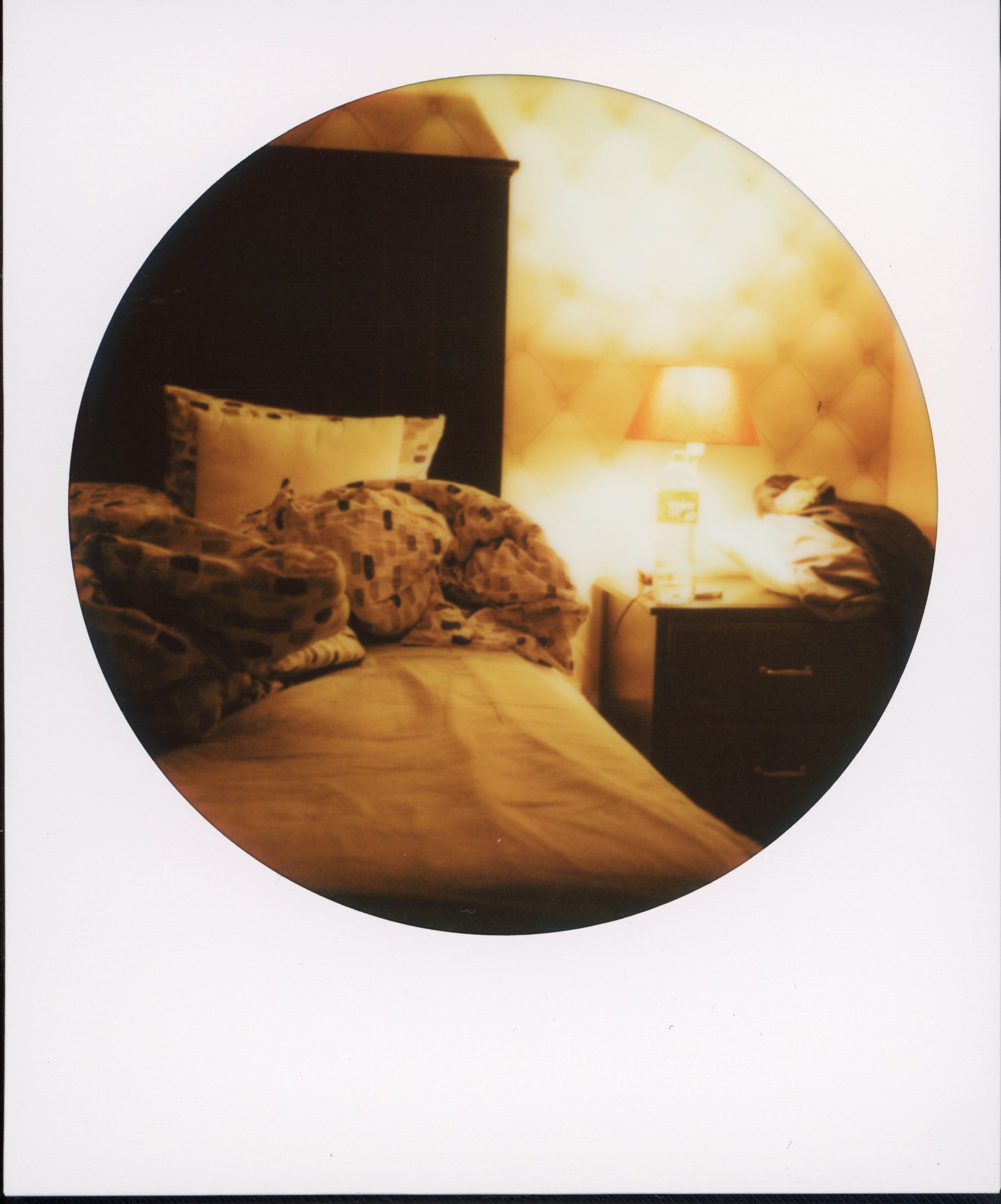
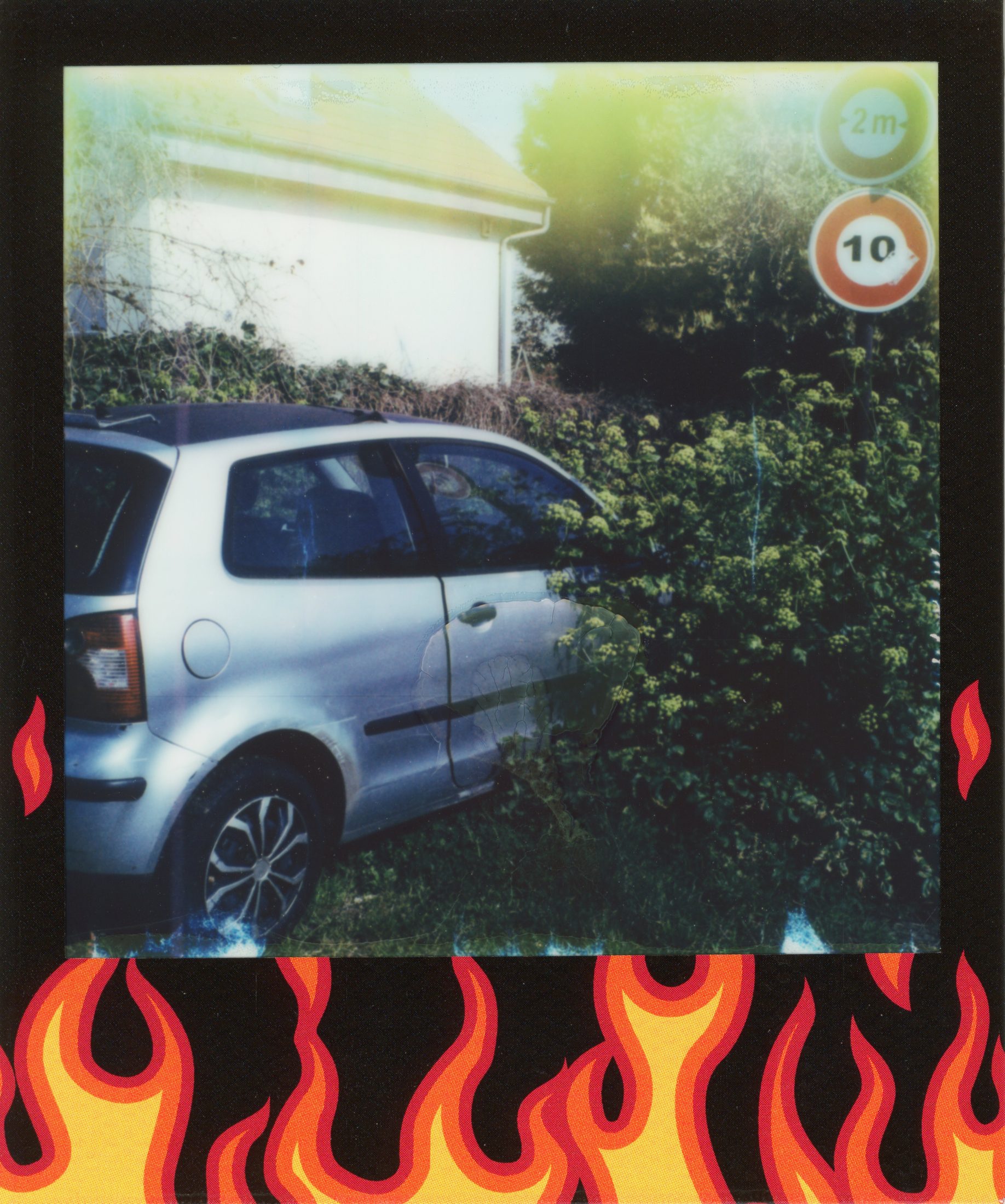
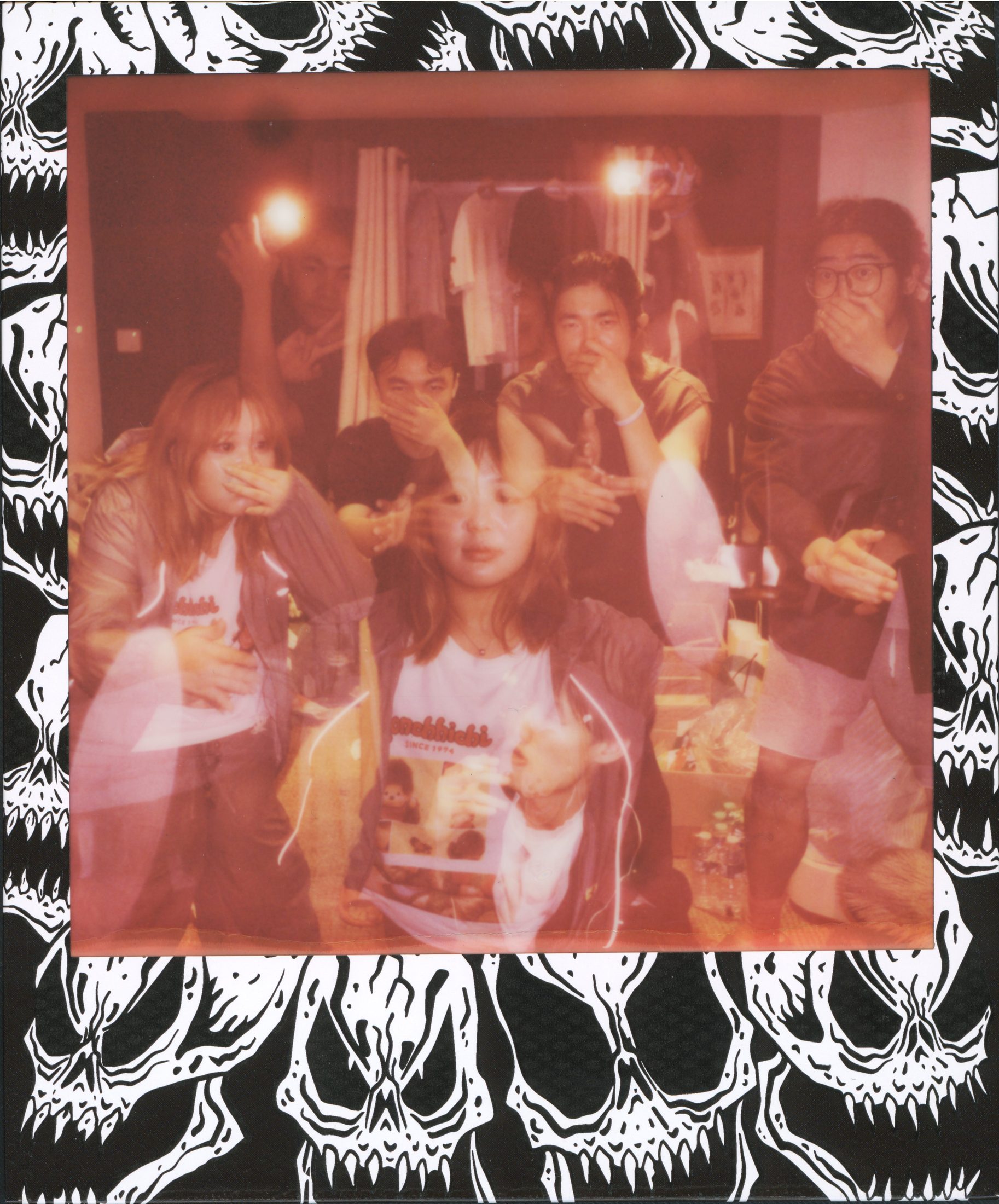
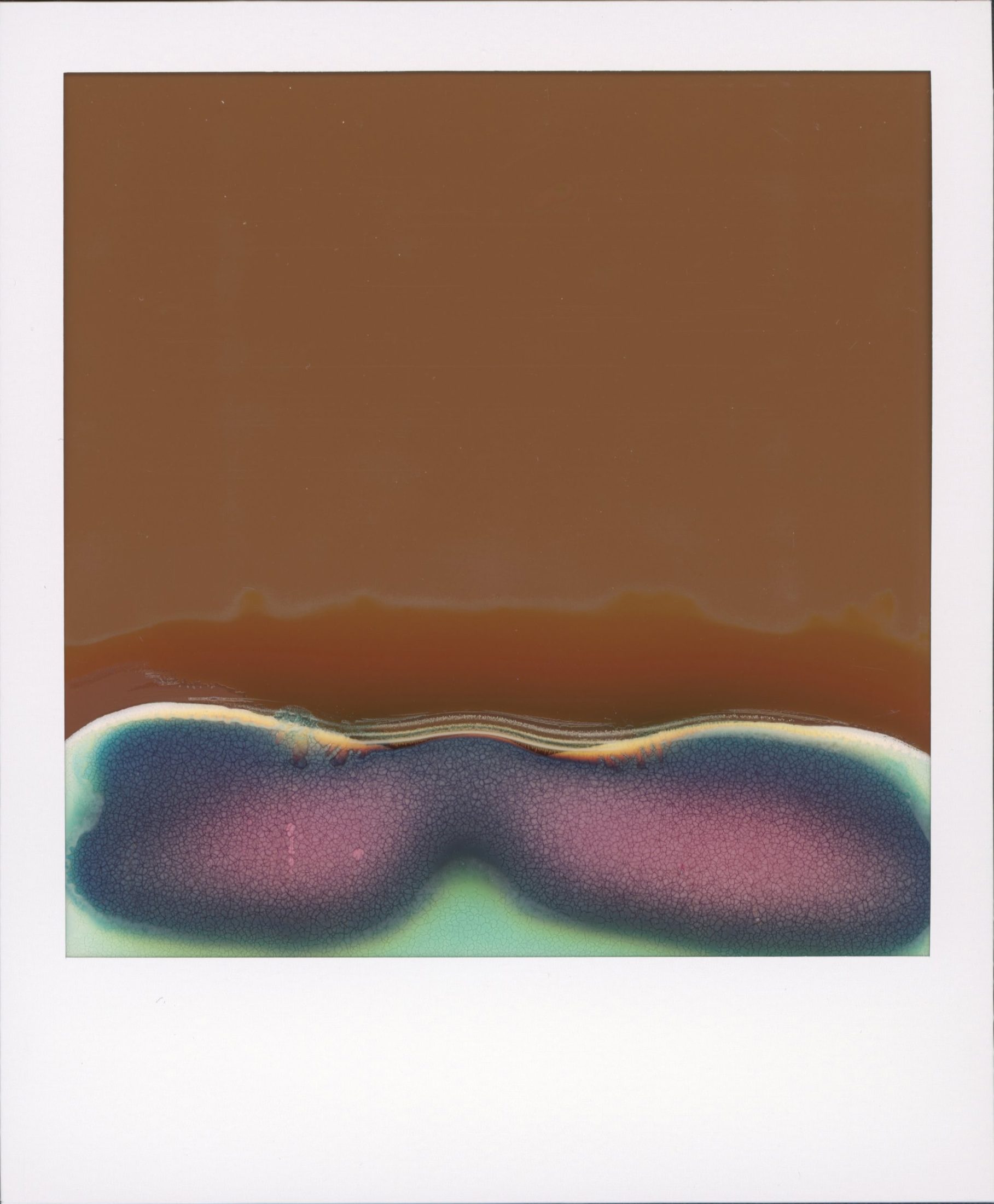
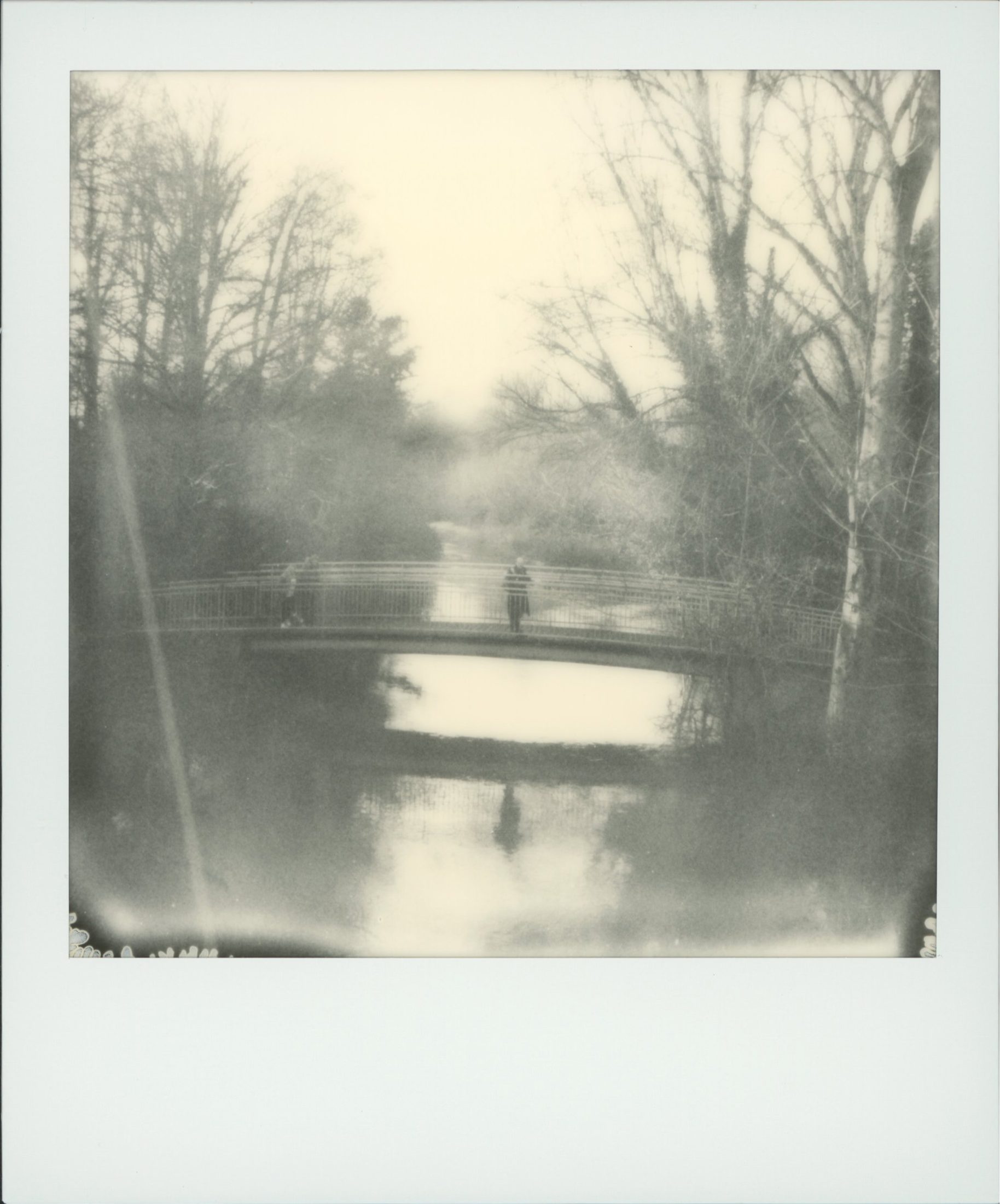
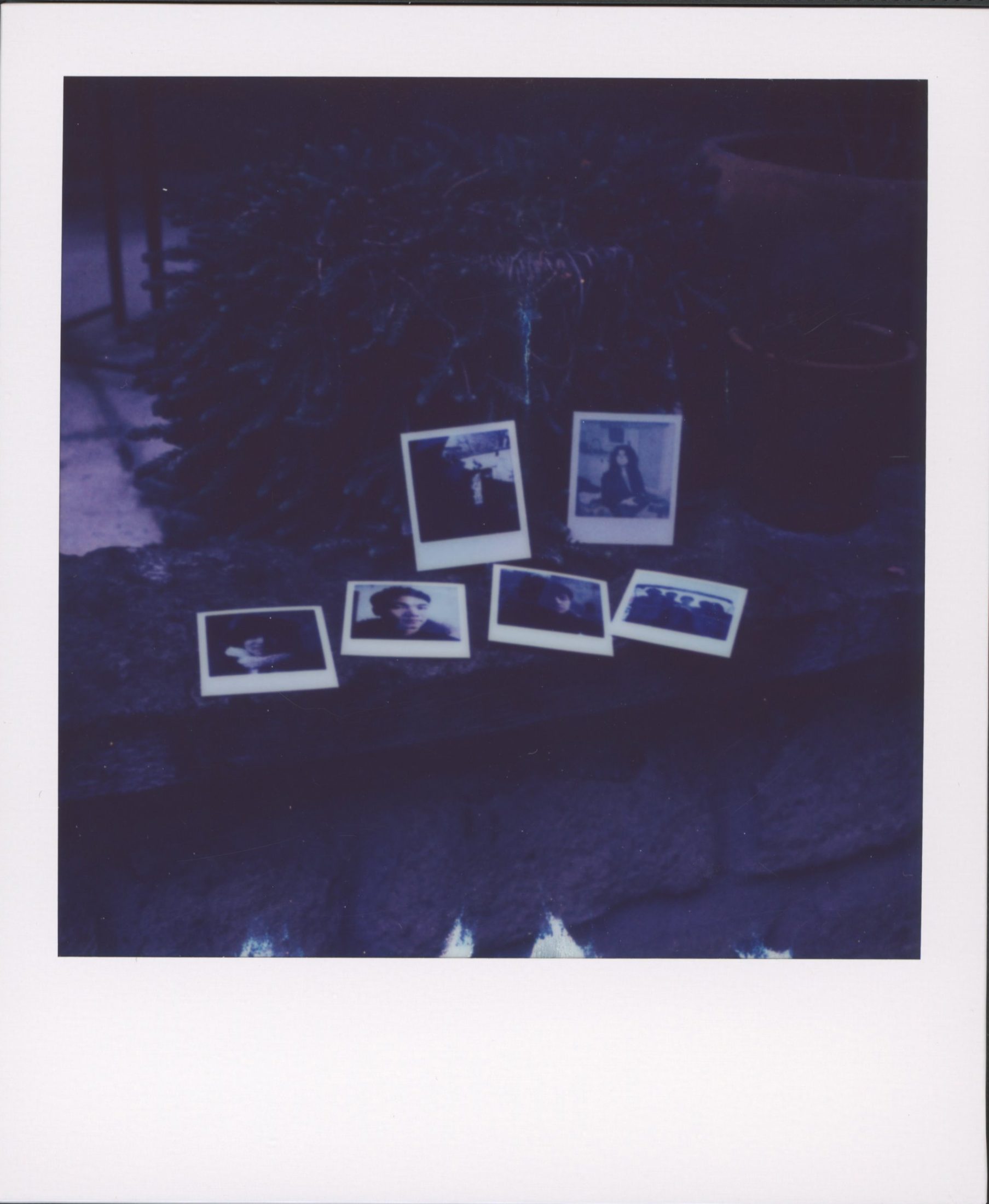
I like waiting for a Polaroid to develop. Something that has just happened slowly appears in my hands, becoming a photograph I can pick up, pass to someone else, or put away in a drawer. I also like the images that do not quite behave: snow-like textures, leaking chemicals, colour shifts, and unpredictable marks. Sometimes they obscure part of the scene, but they do not stop me remembering that day. Gradually, those imperfections have become part of how I know these photographs.
Recently, while listening again to Eason Chan’s song ‘Salon’, I heard the words about keeping ‘warmth, speed, tenderness and anger’, and thought of these photographs. Perhaps what we want to keep has never been only the appearance of things, but also how it felt, in our bodies and in ourselves, to be there. A photograph may not hold an entire afternoon, but it might bring back why we did not want to go home that day.
This has also made me try to understand why, when digital images are so convenient, some people still choose to return to film. For me, it is not about proving that one camera is better than another. I like the way an experience eventually takes a form I can hold in my hands. The moment cannot be repeated, and the outcome of developing cannot be fully controlled, but I am still willing to stop for the next photograph. Perhaps this is what film means to me: it has not captured life on my behalf, but has made me more willing to move closer to it, and to leave an honest record of what I love and how I feel.
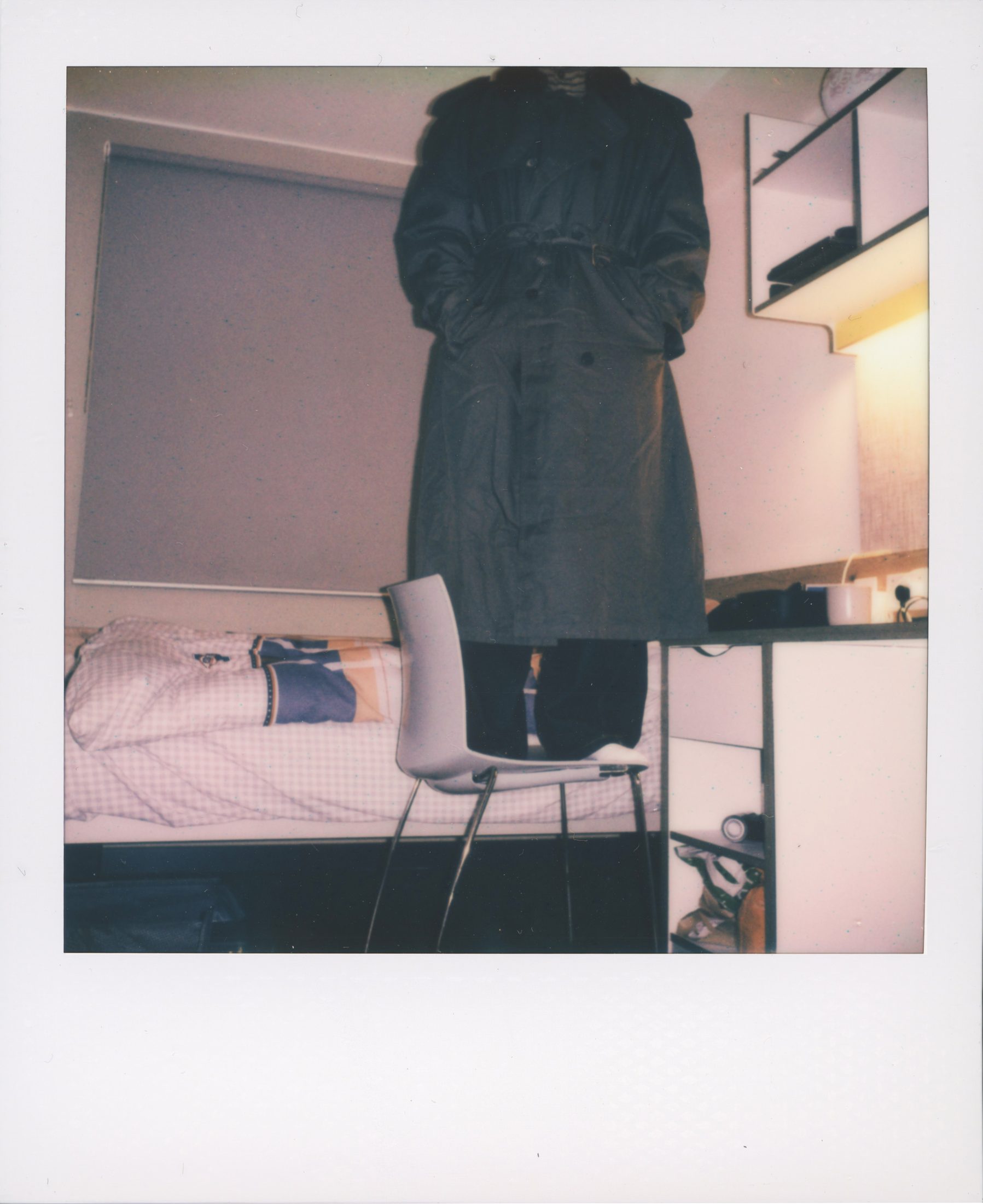
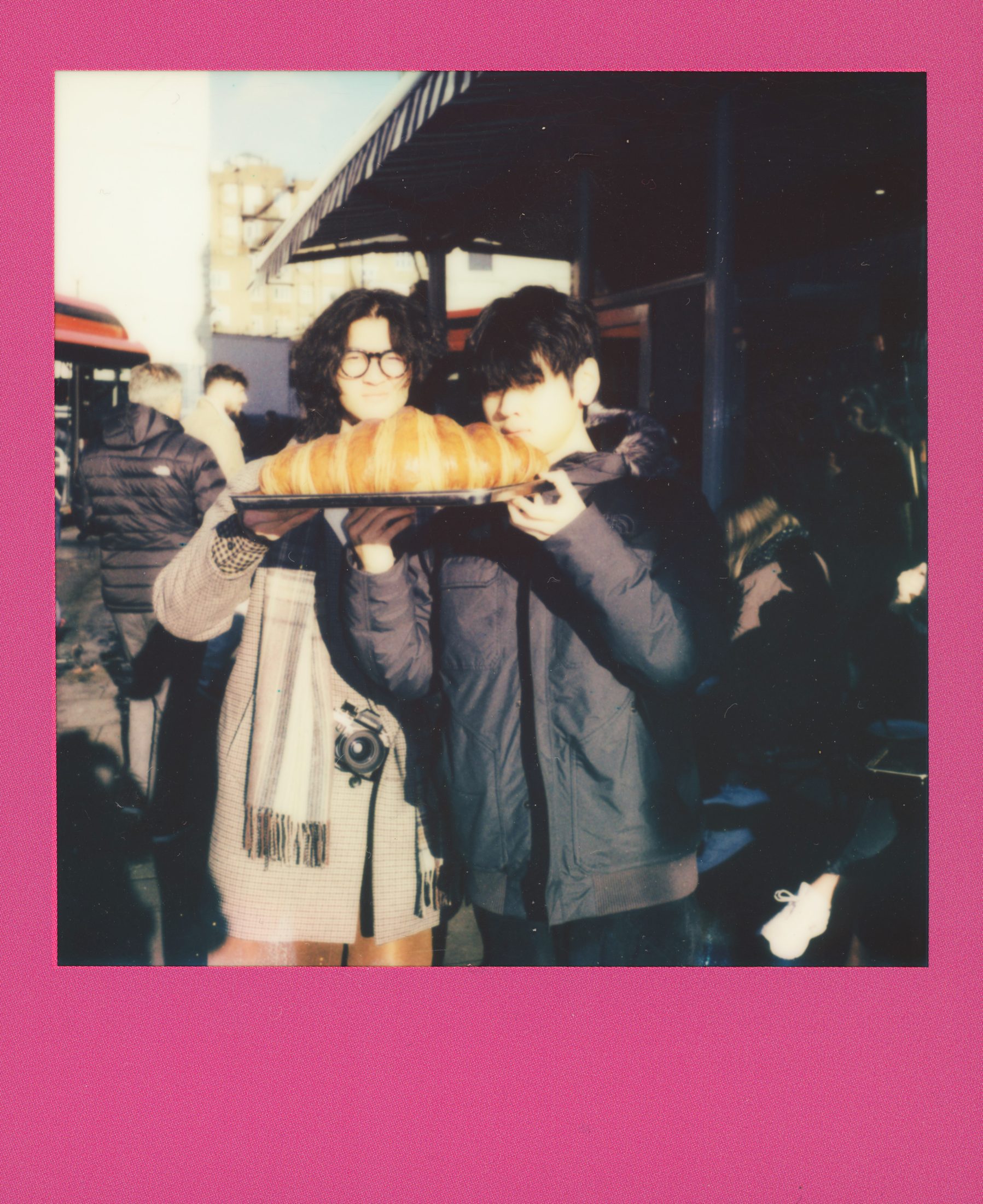
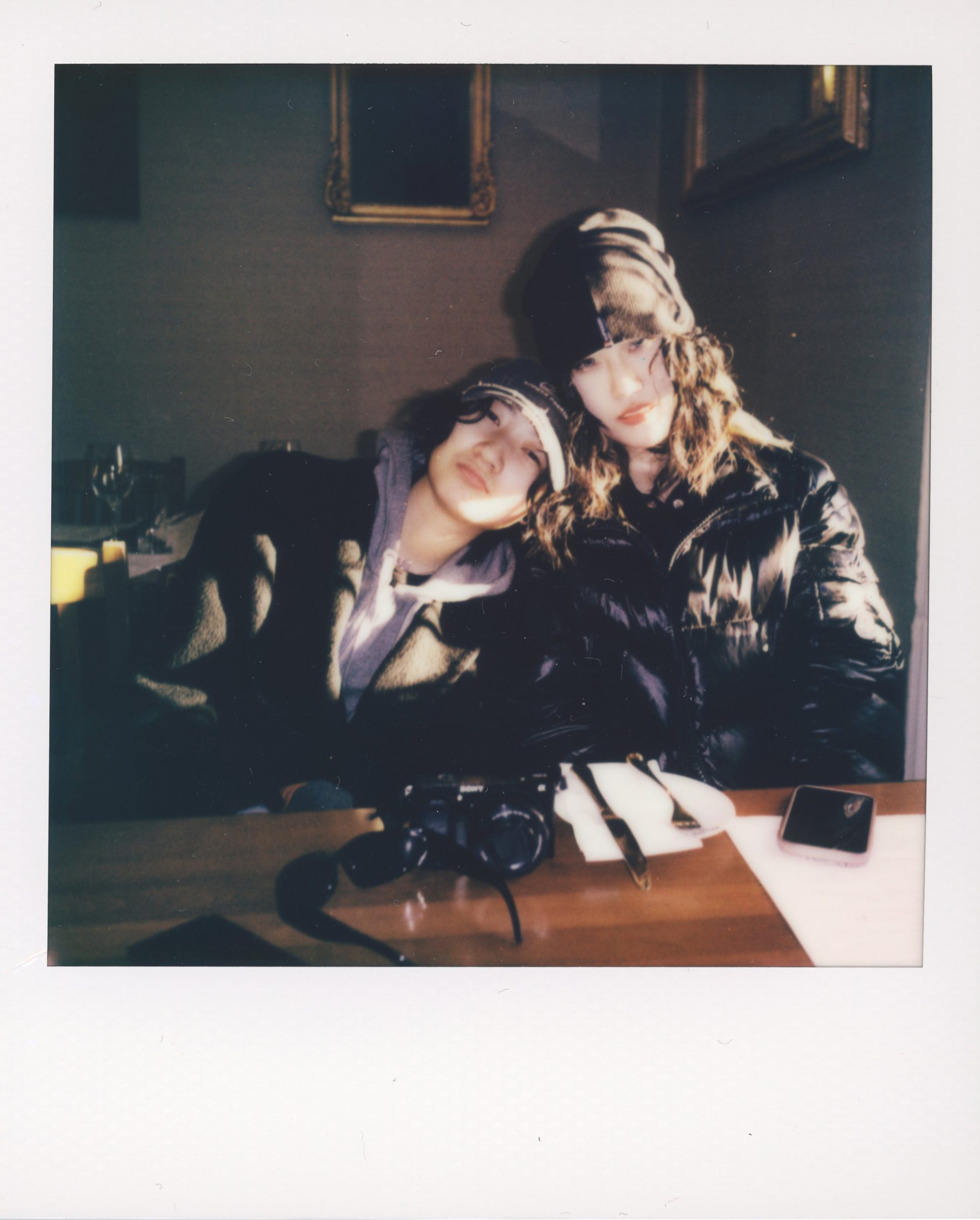
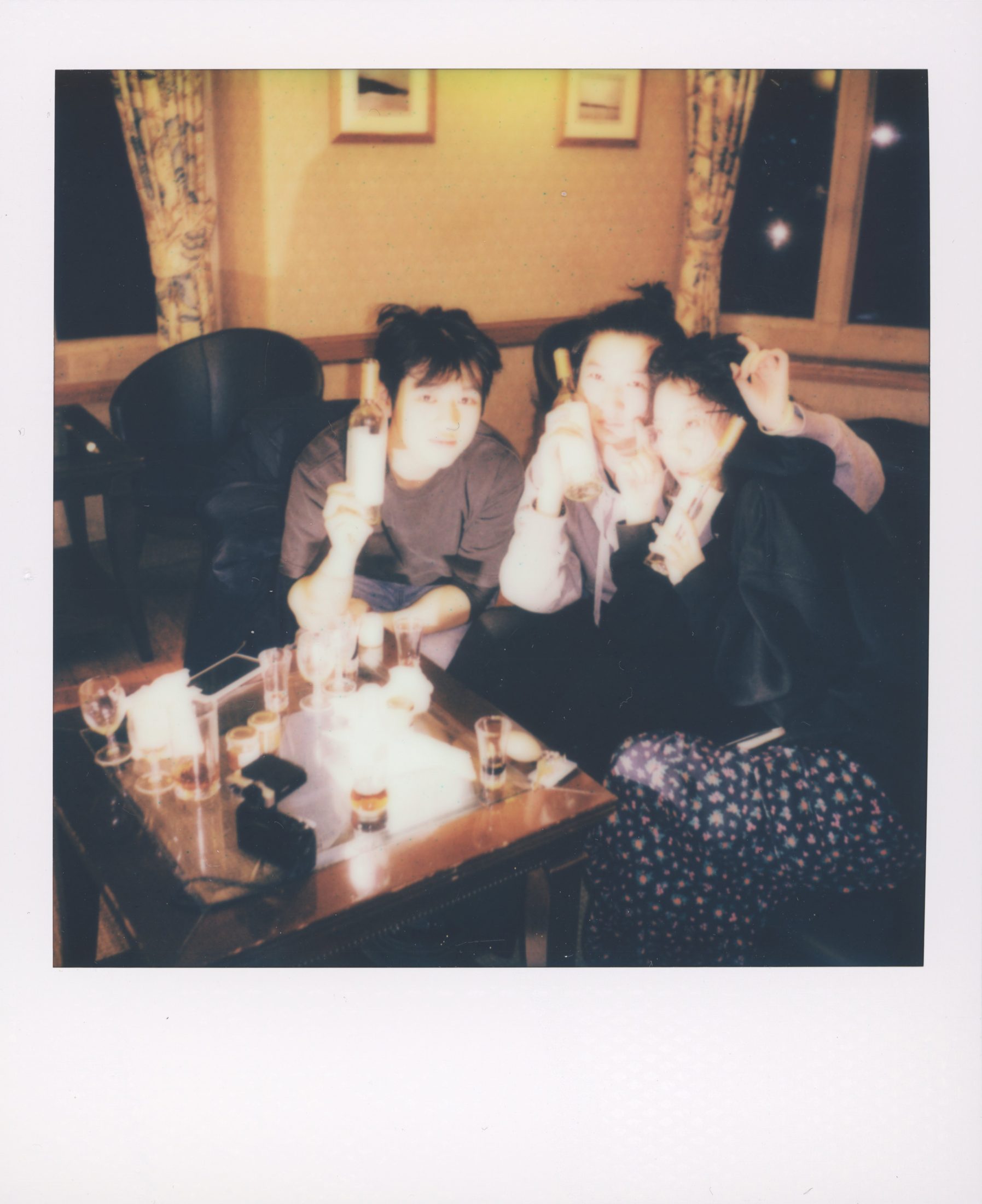
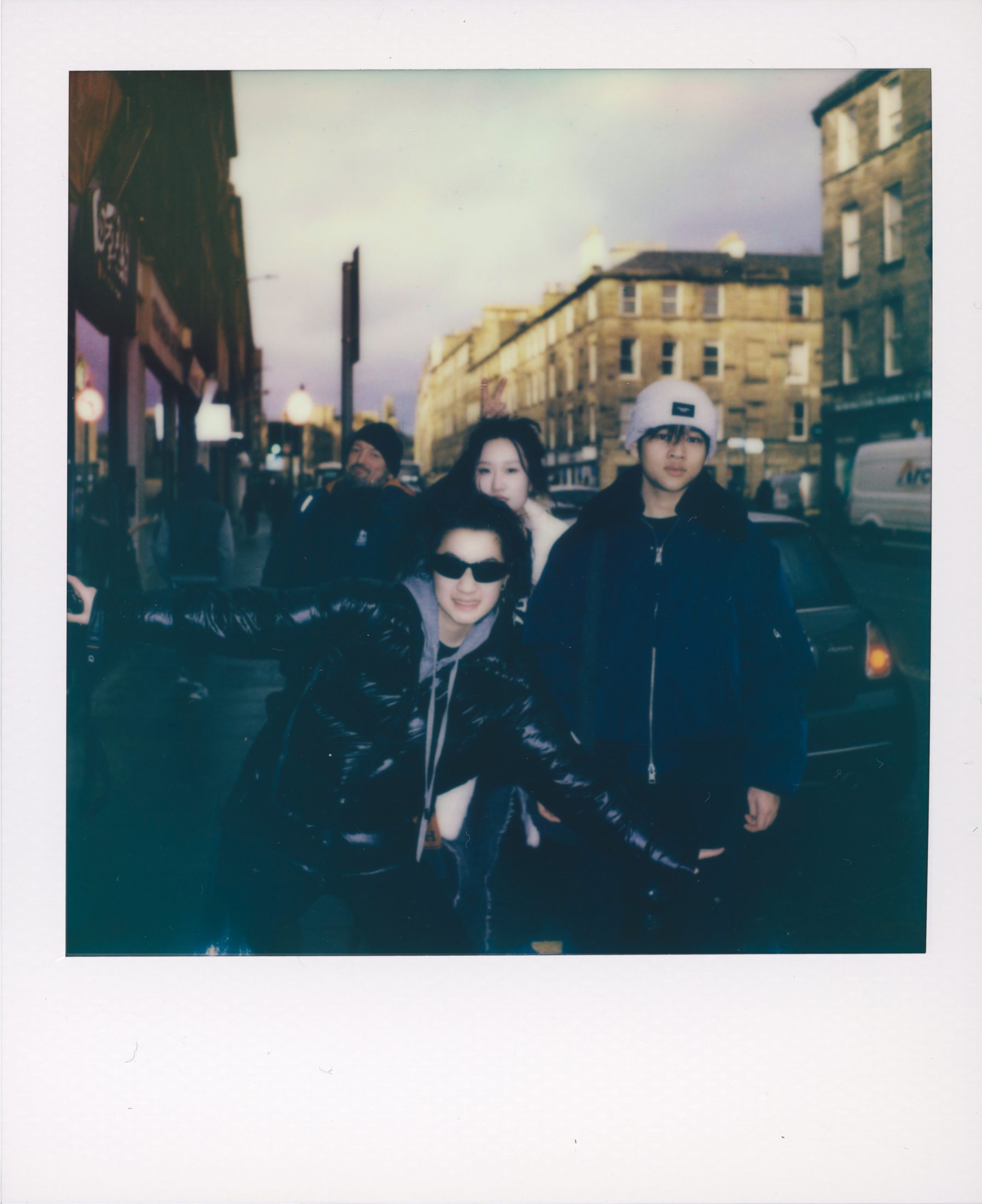
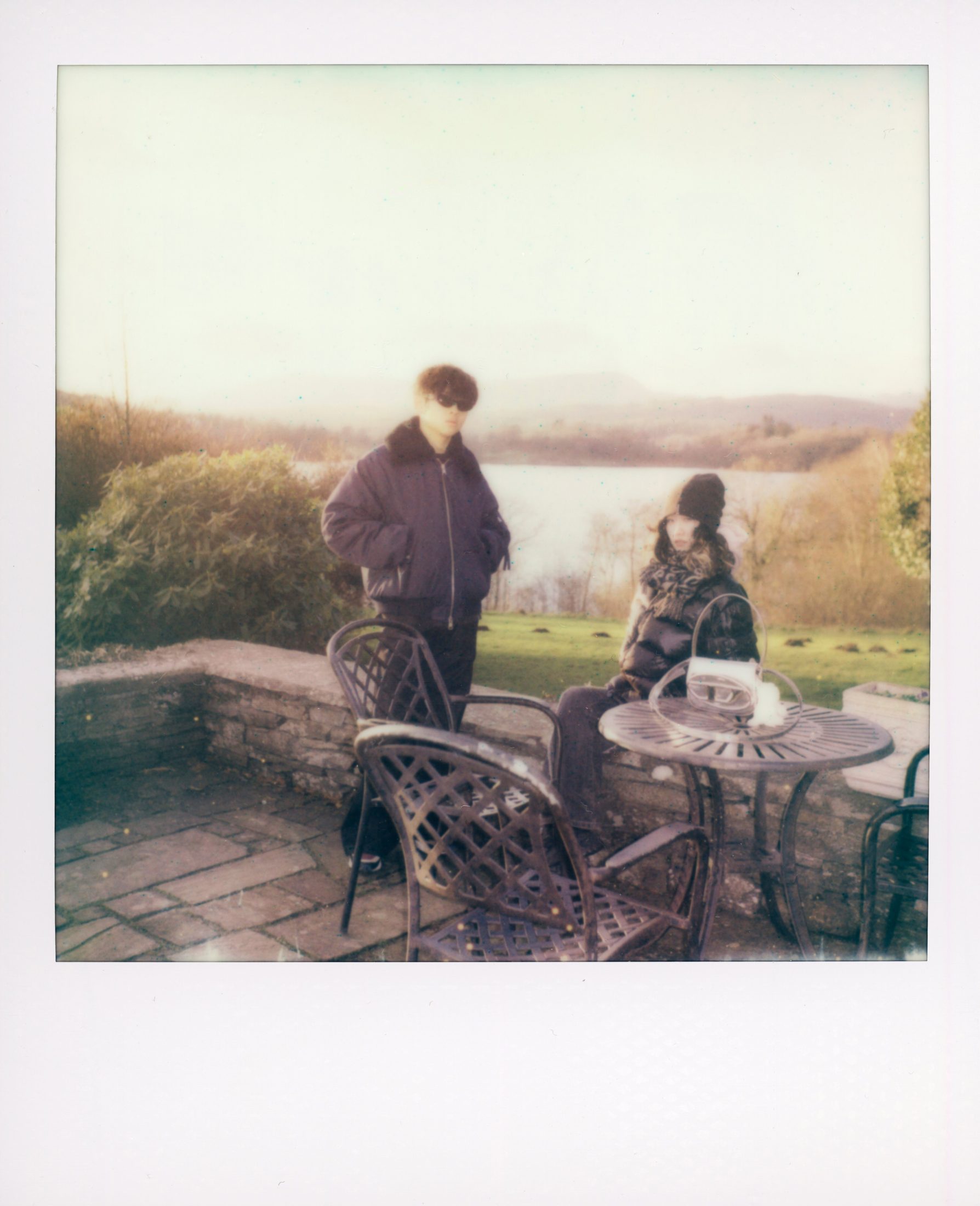
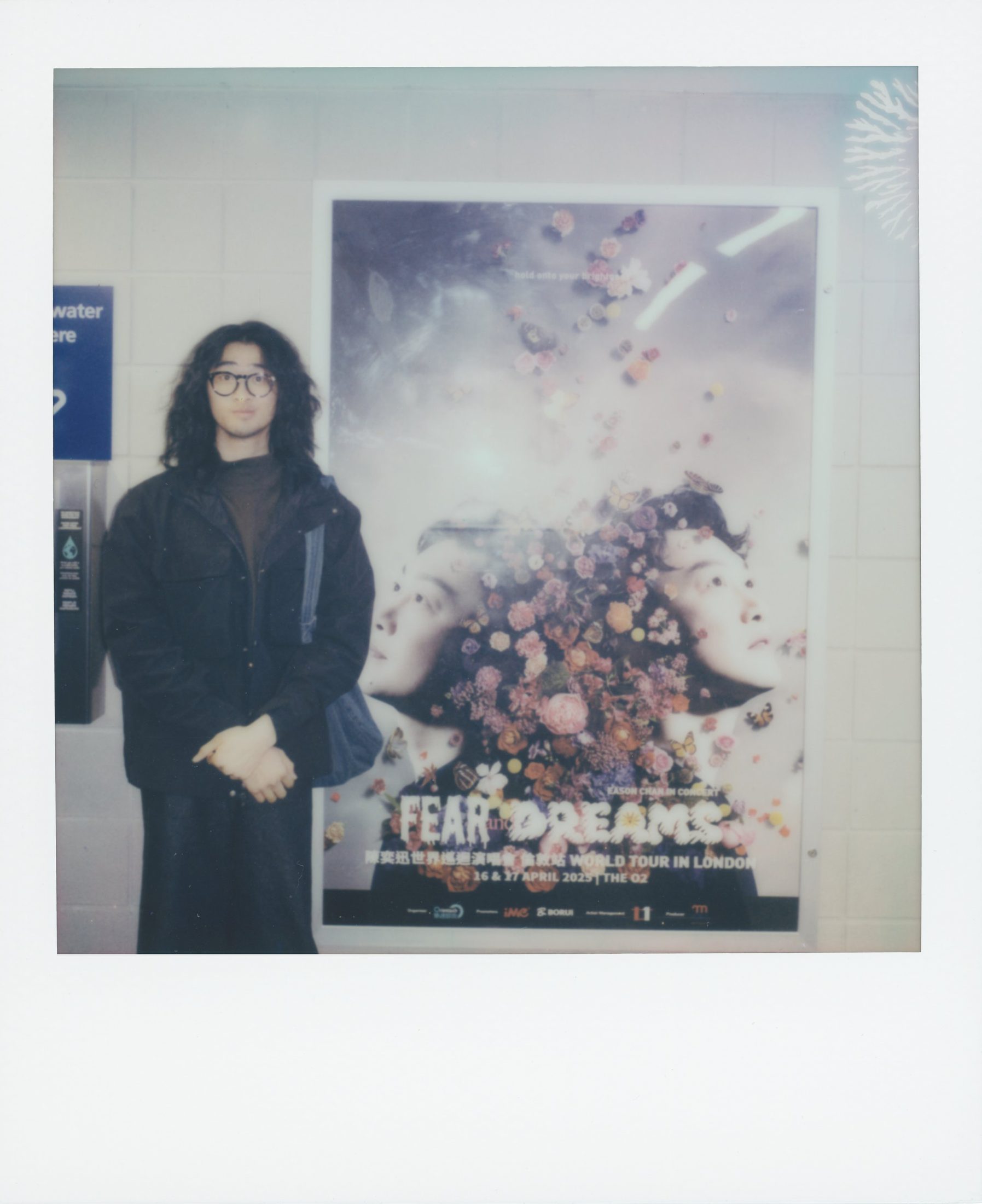
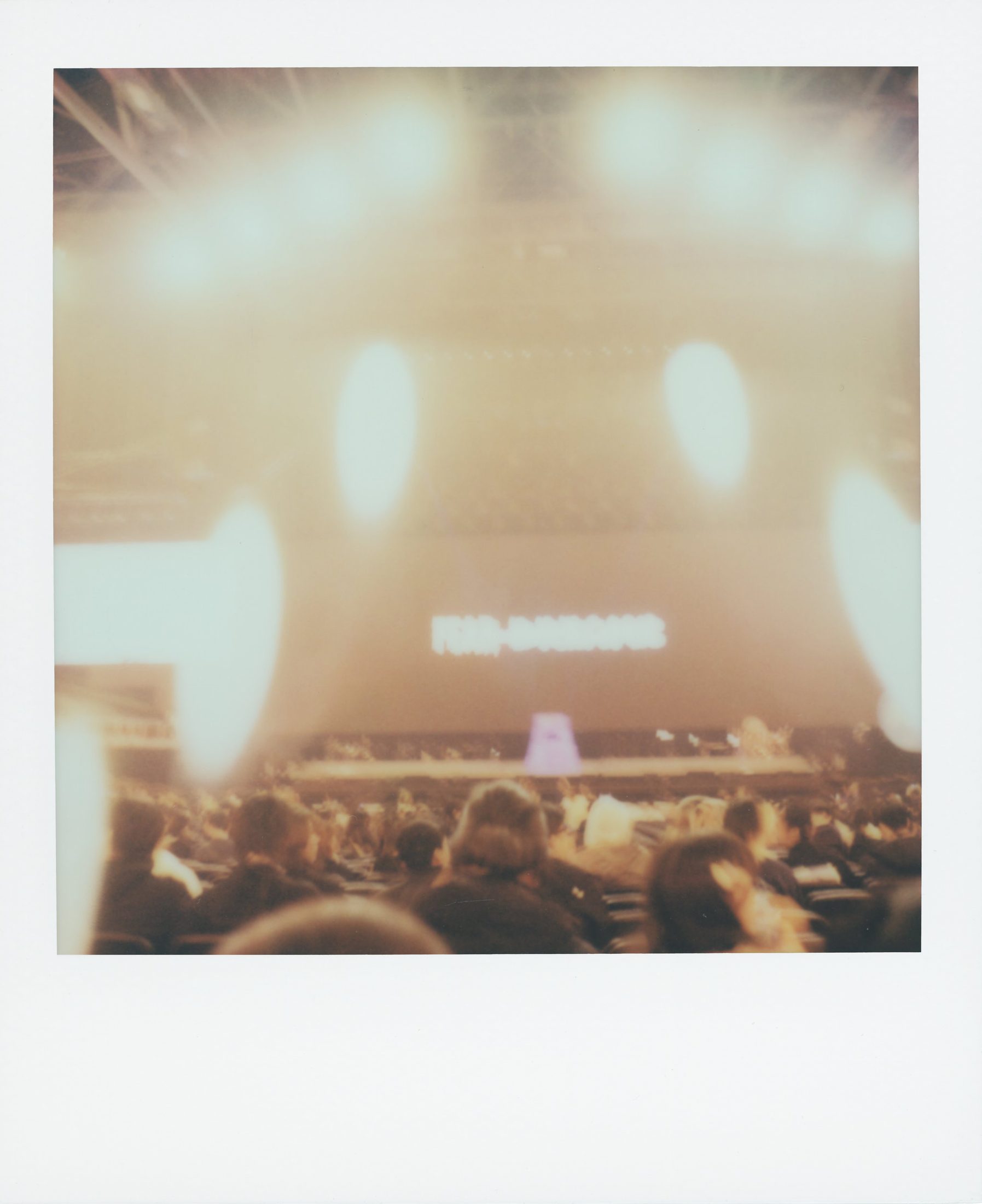
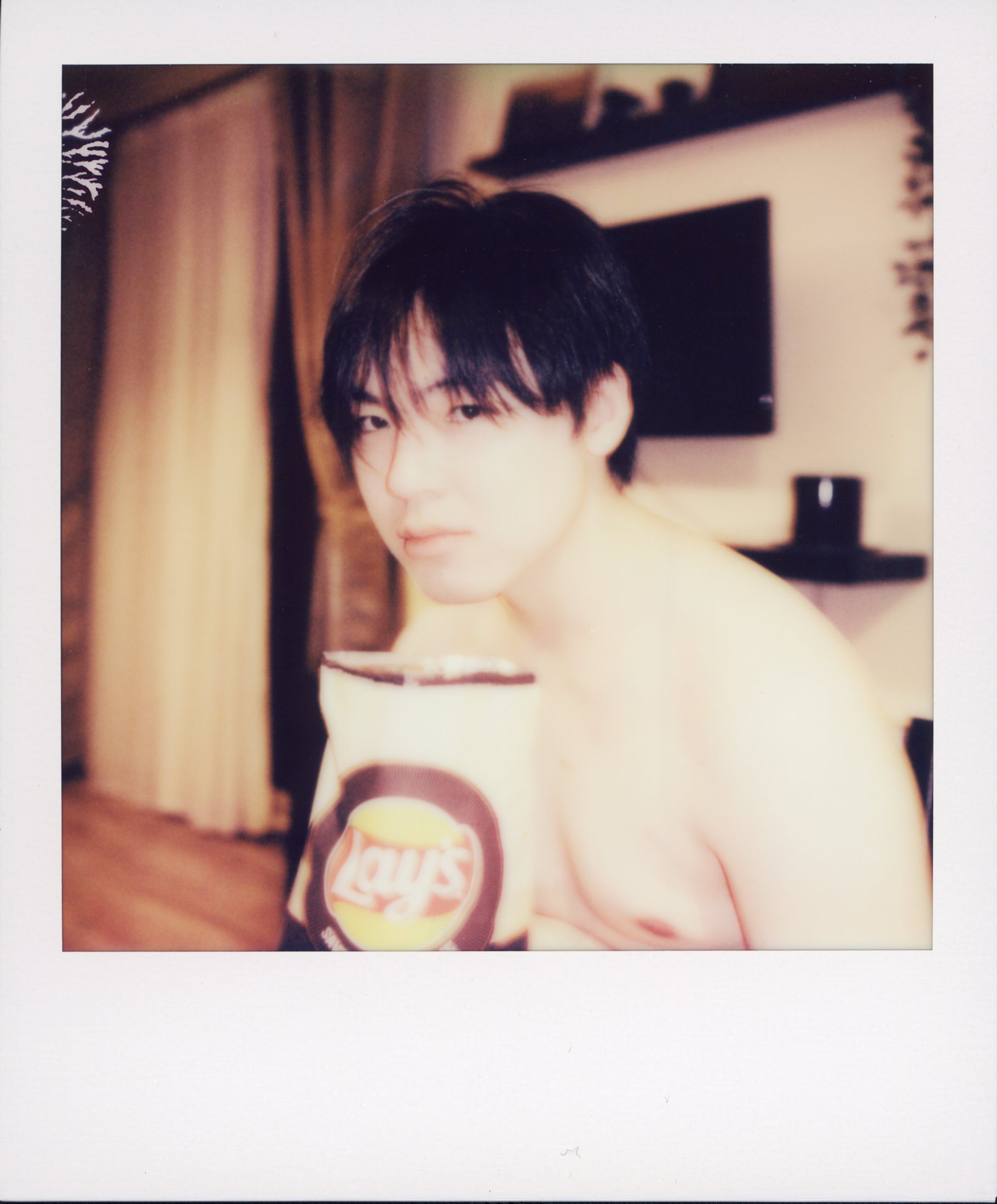
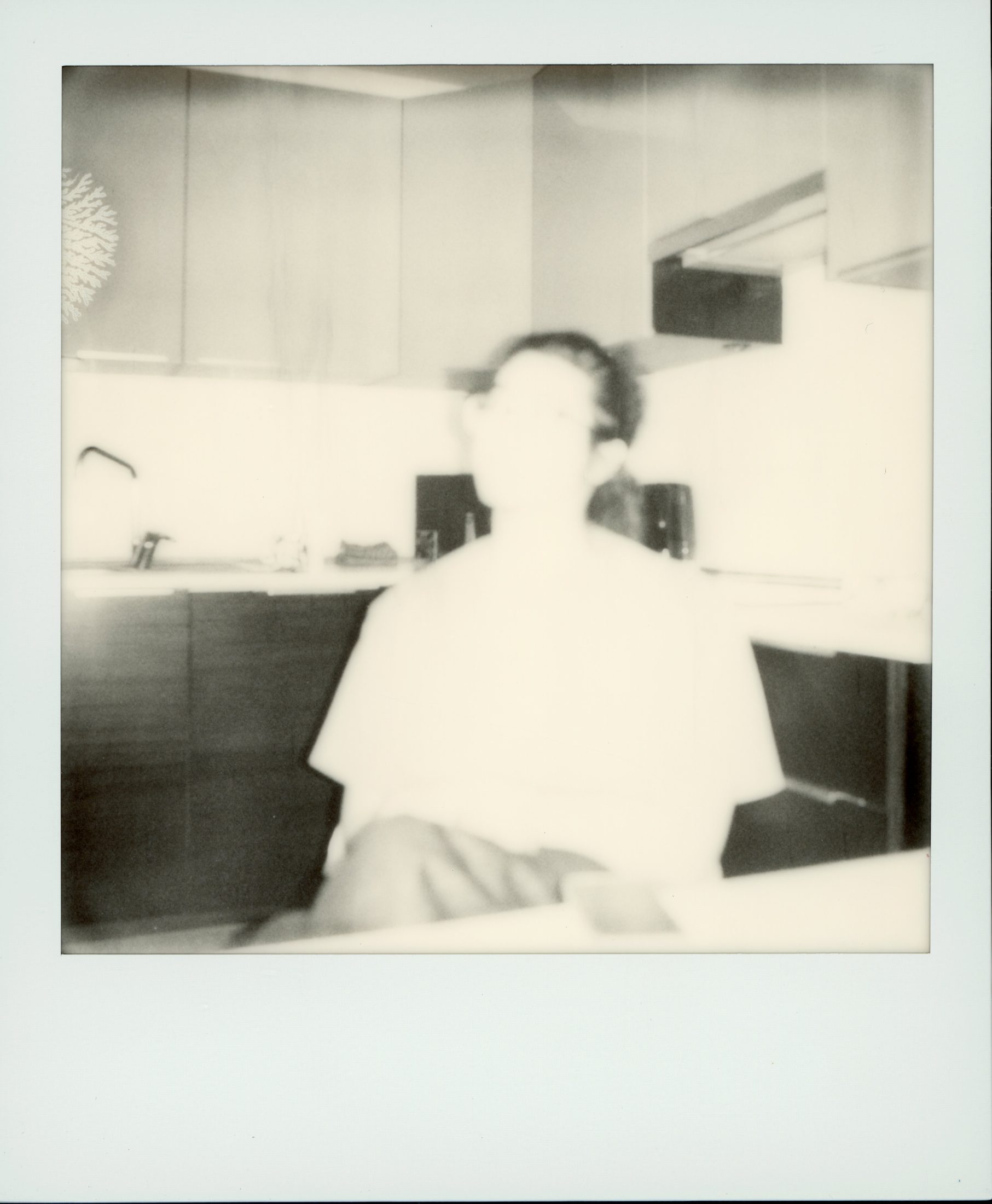
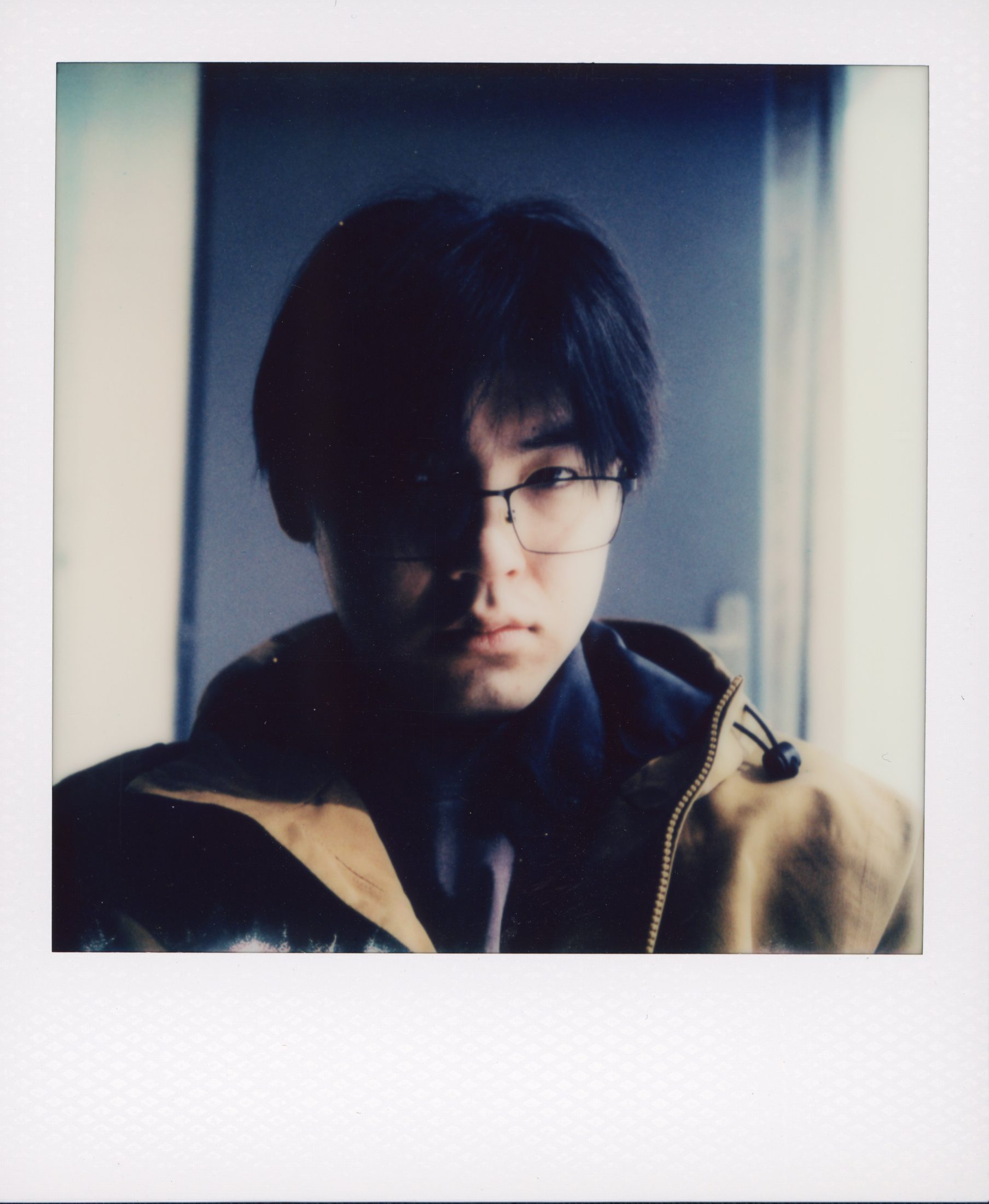
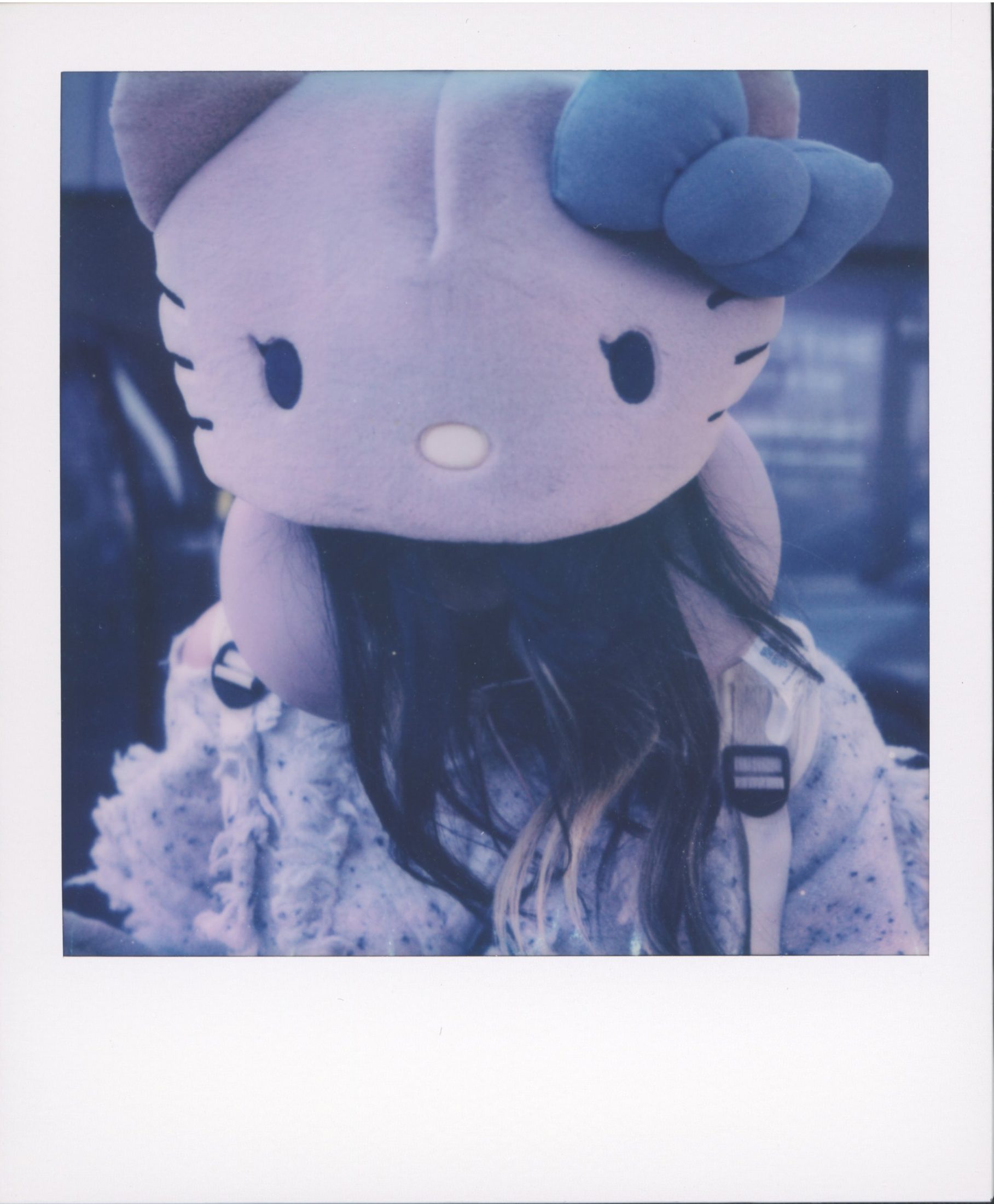
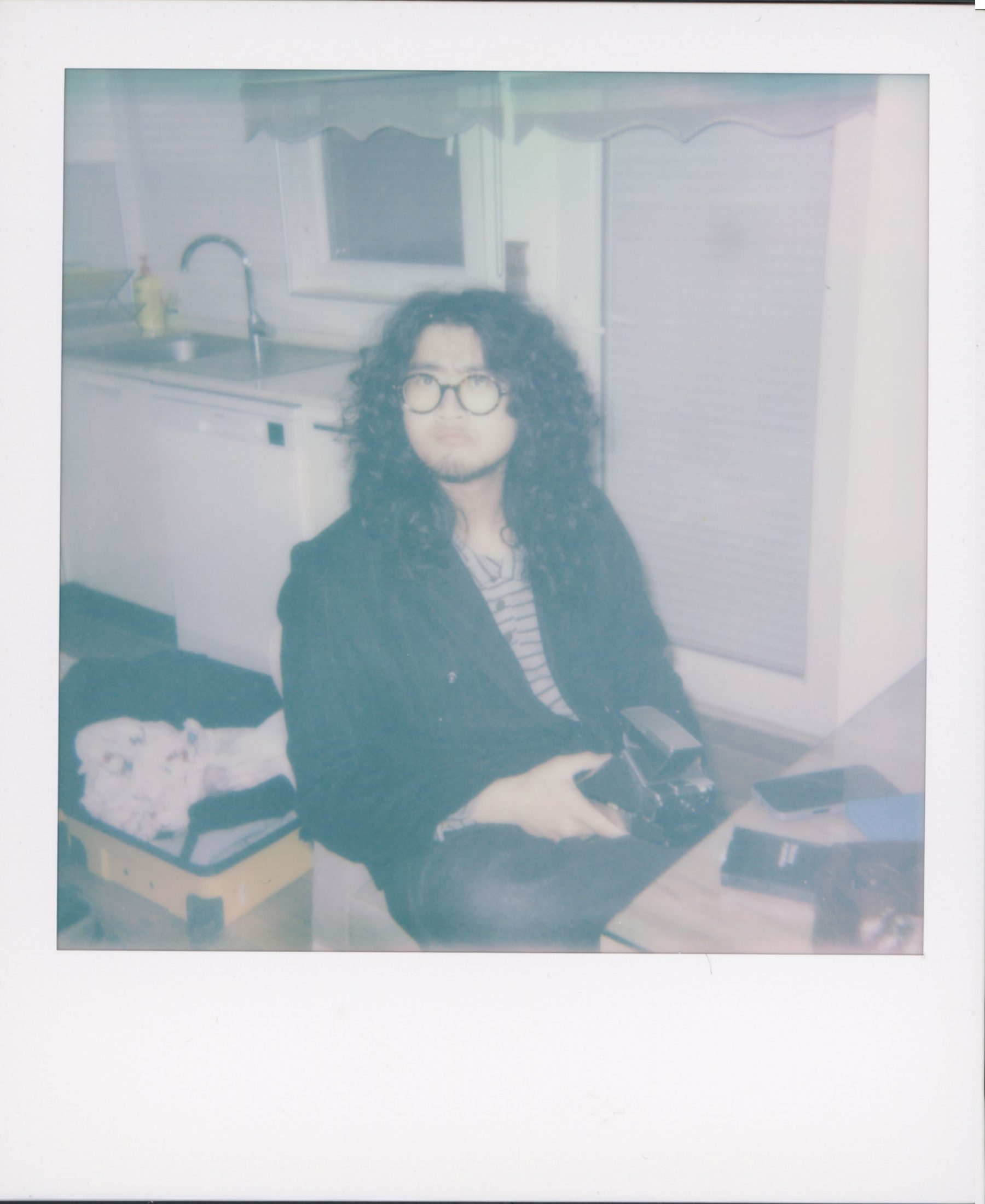
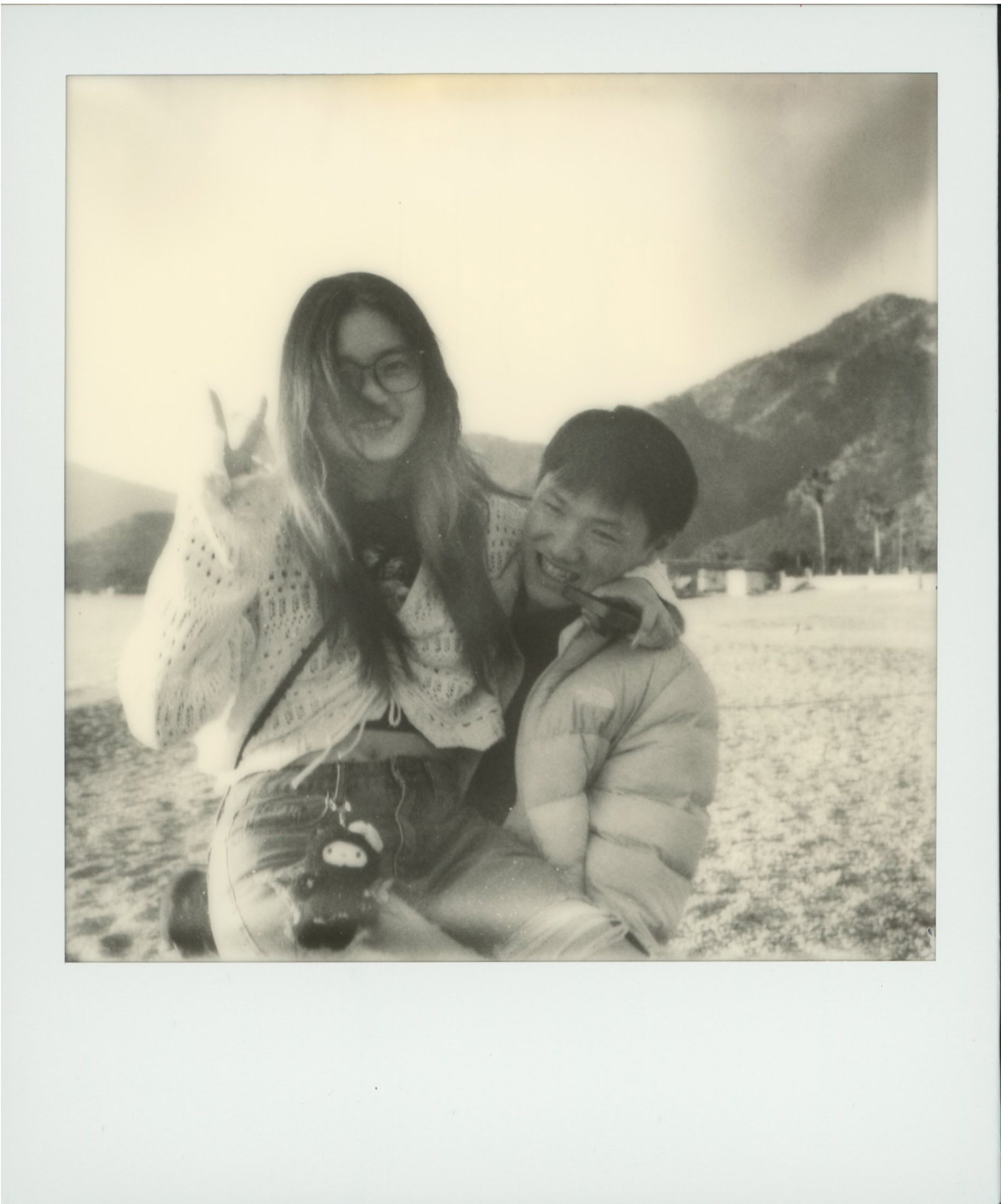
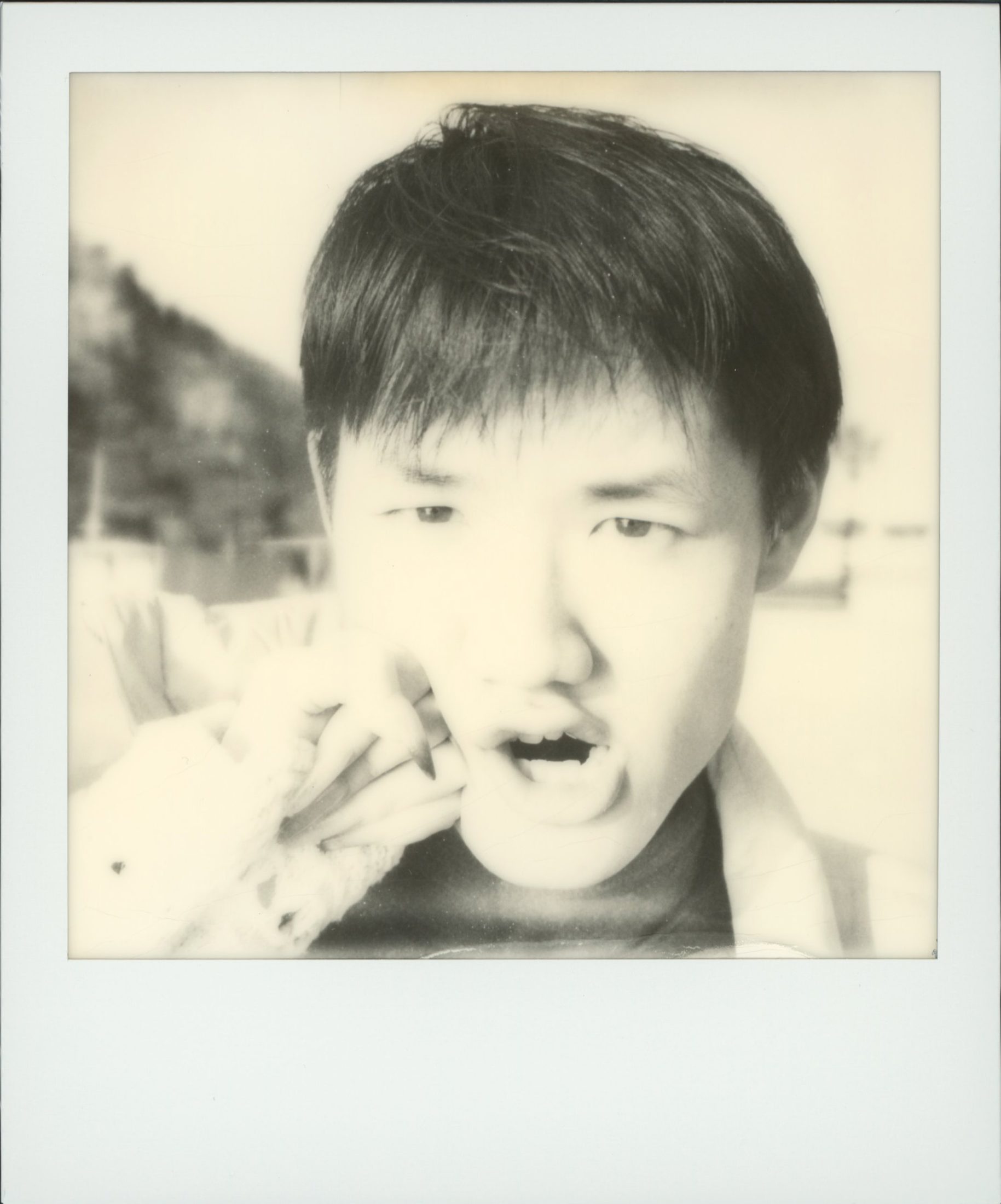
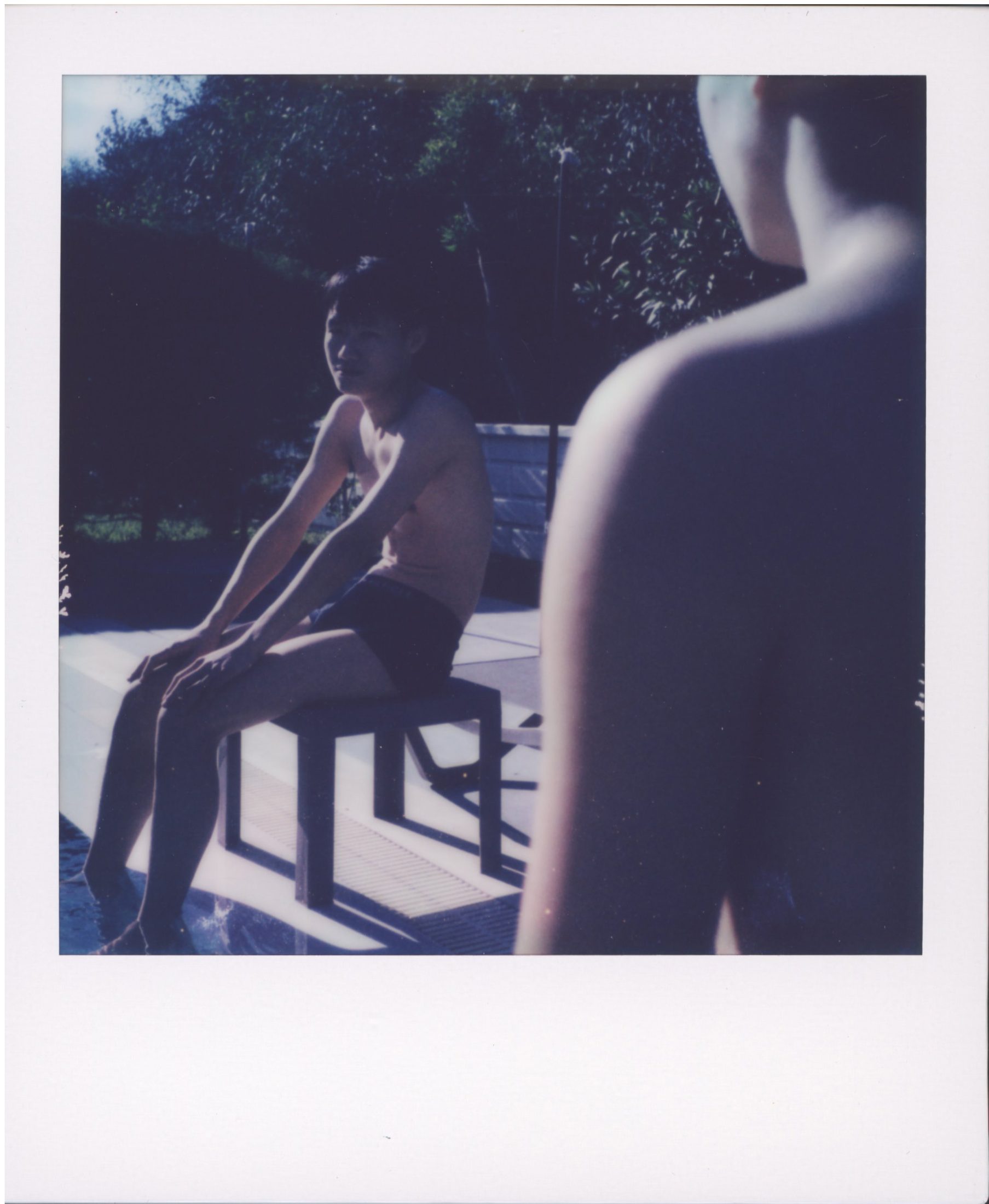
These photographs are arranged roughly in chronological order. They begin with portraits of friends taken when I first got the camera, then slowly move through time alone, trips, and gatherings, including memories of going to an Eason Chan concert. Looking back now, there were many light-hearted days in my first year in the UK. At the time, I did not feel they needed to be solemnly remembered. I simply kept taking the camera out.
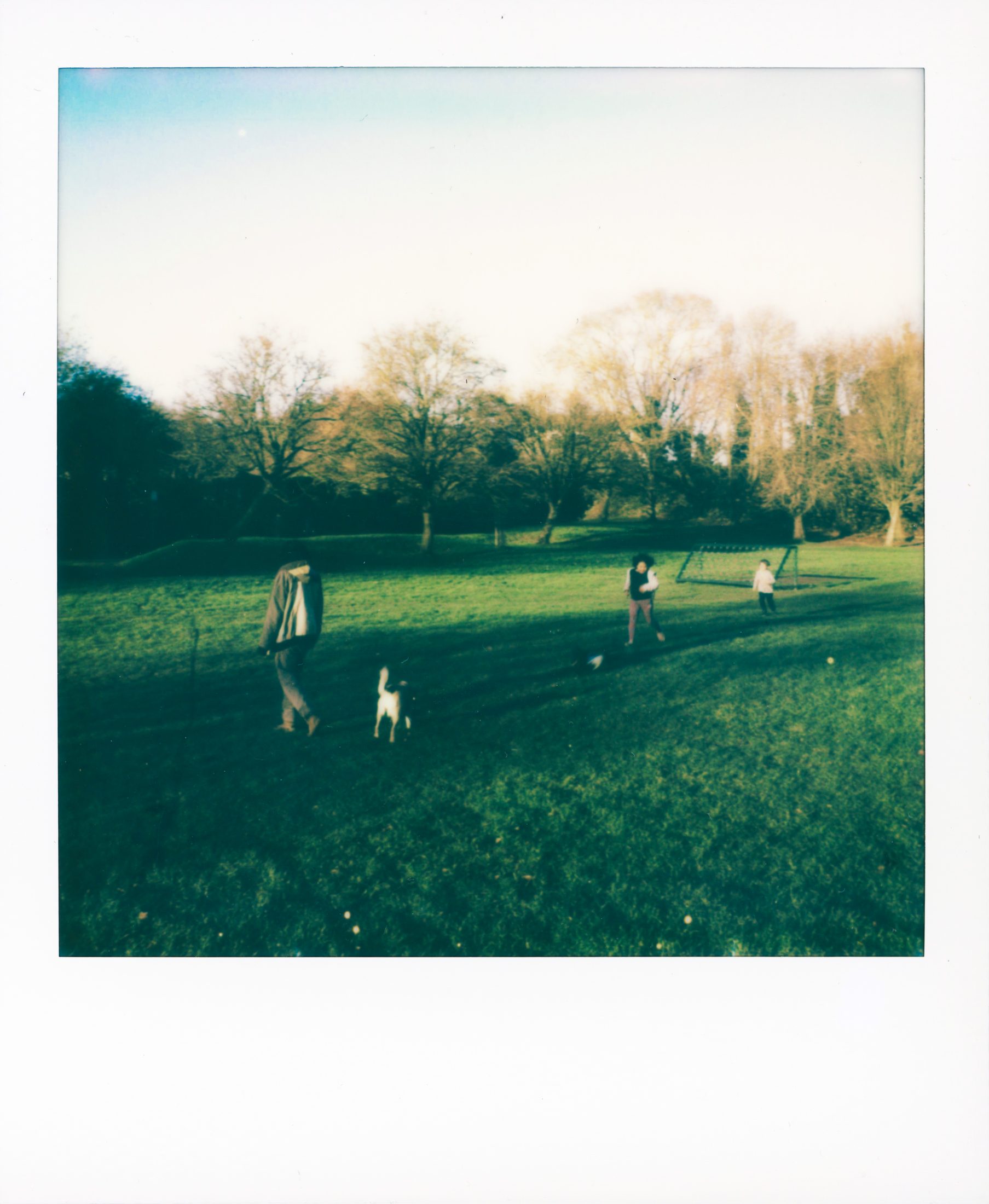
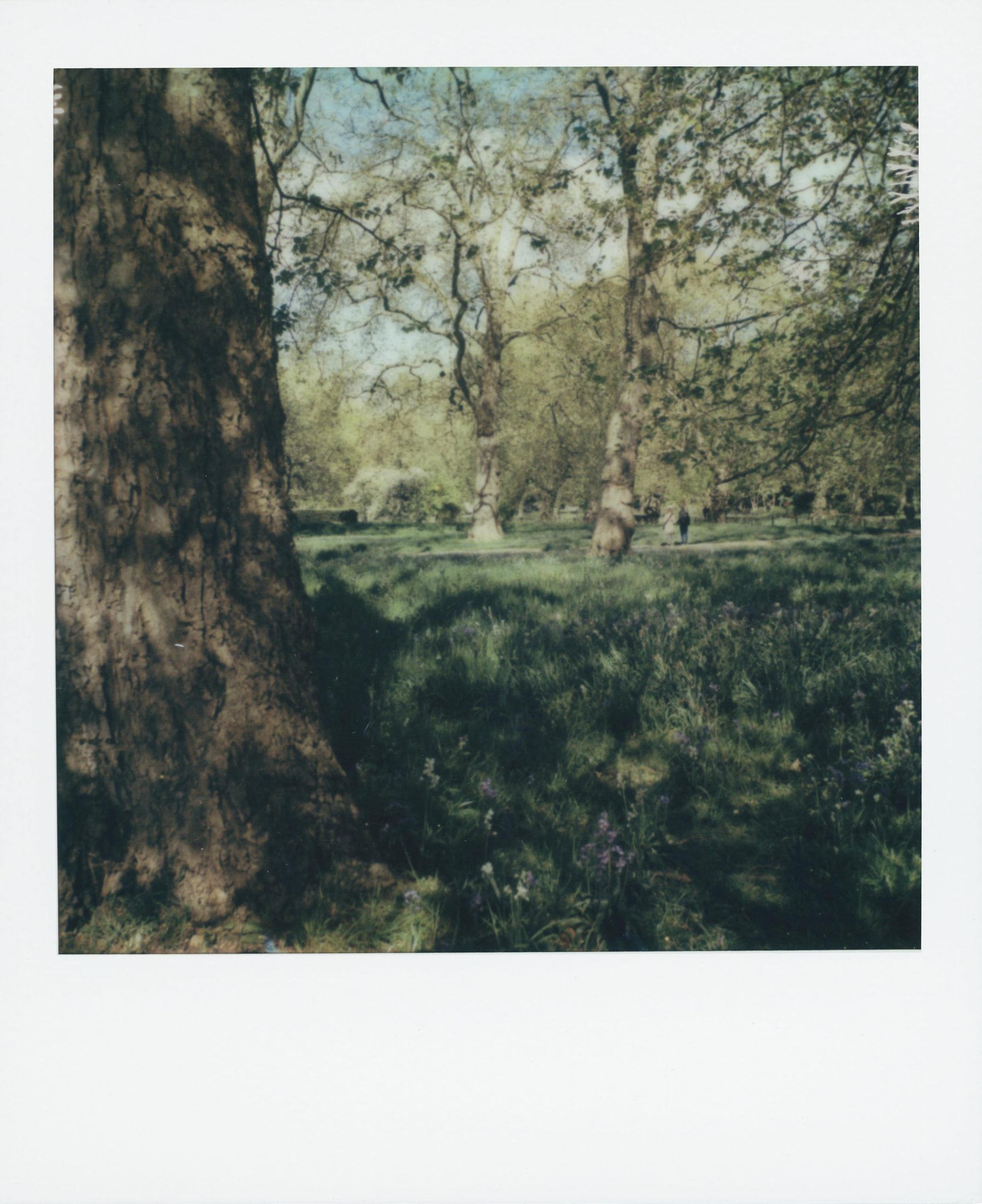
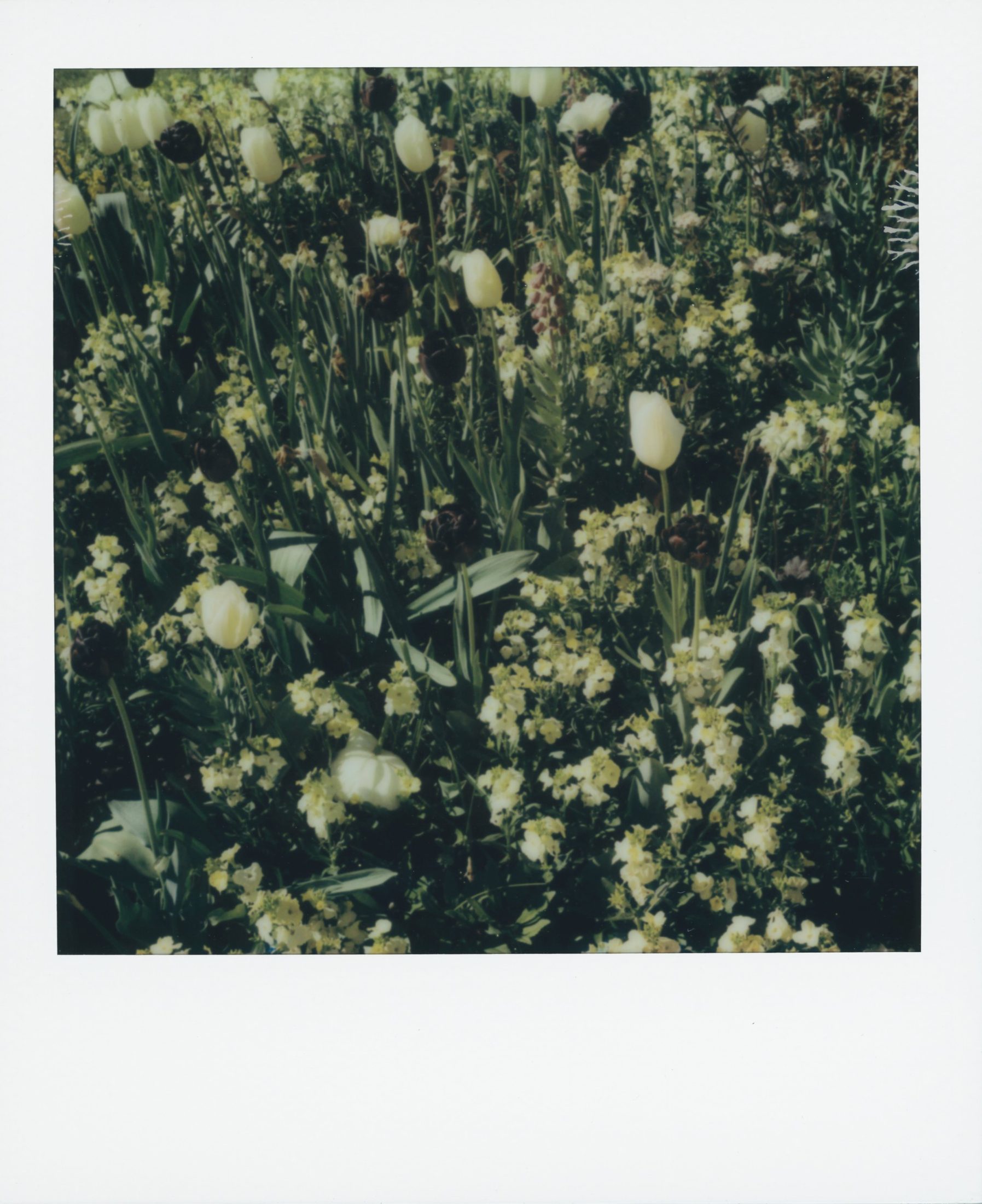
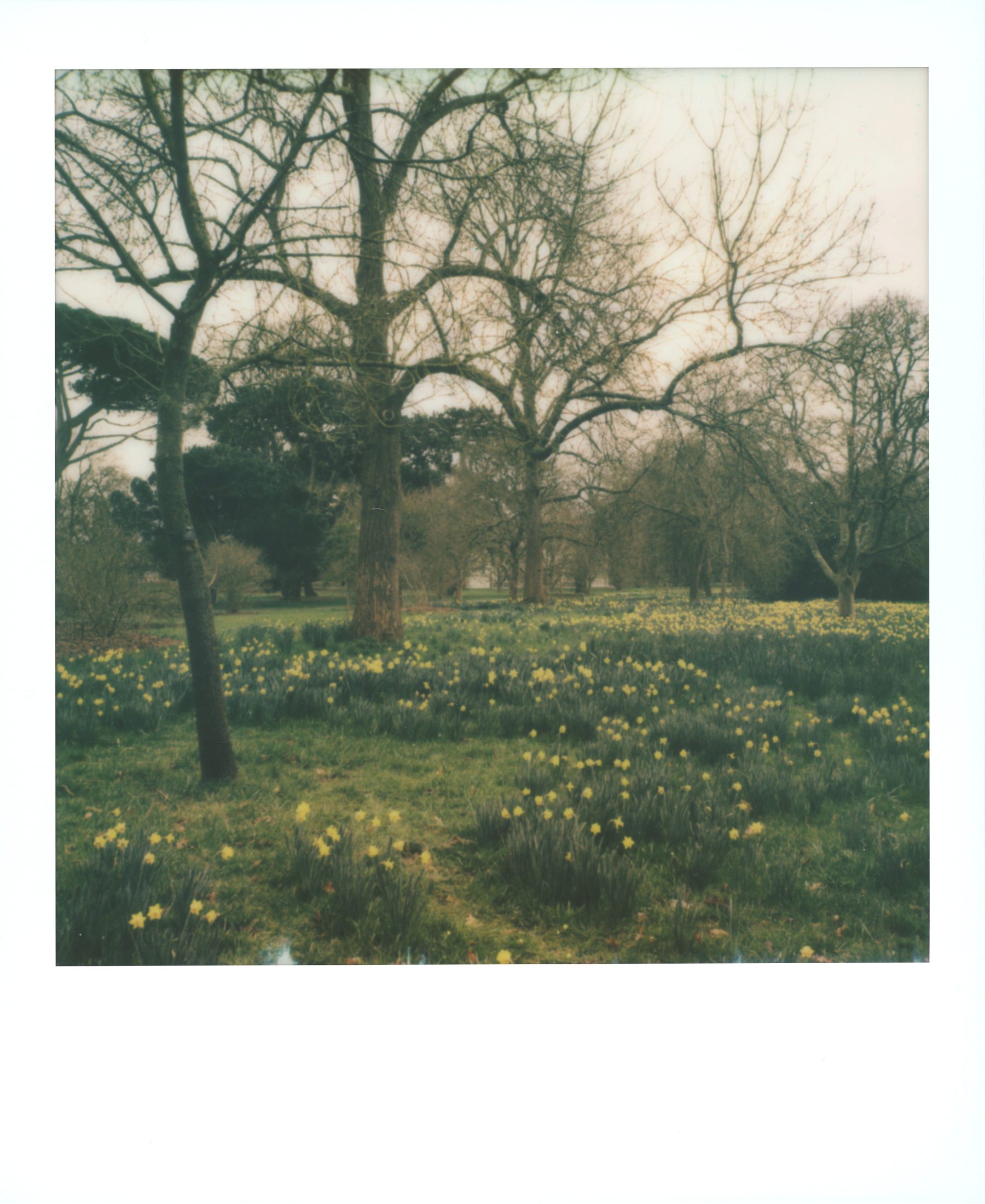
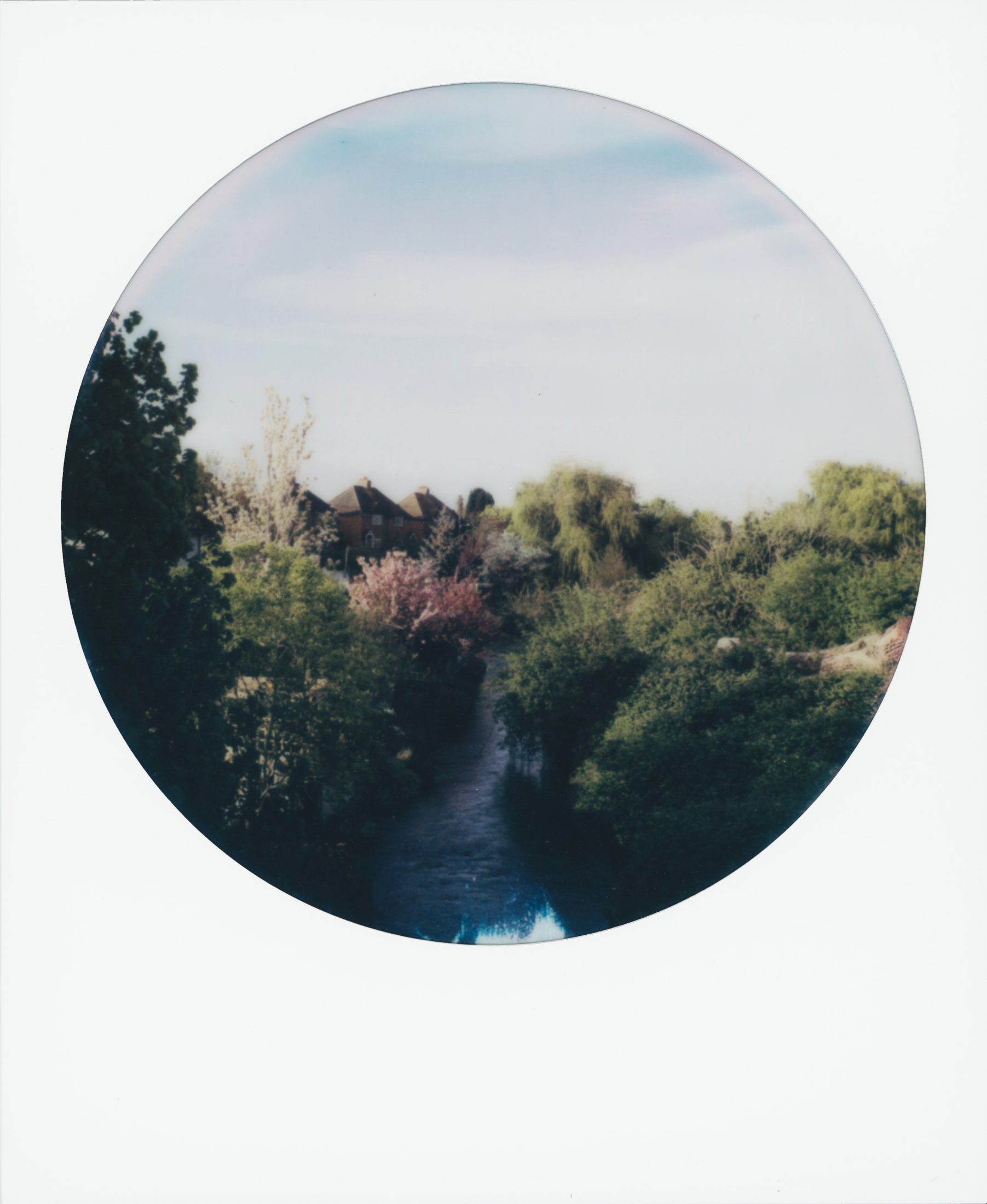
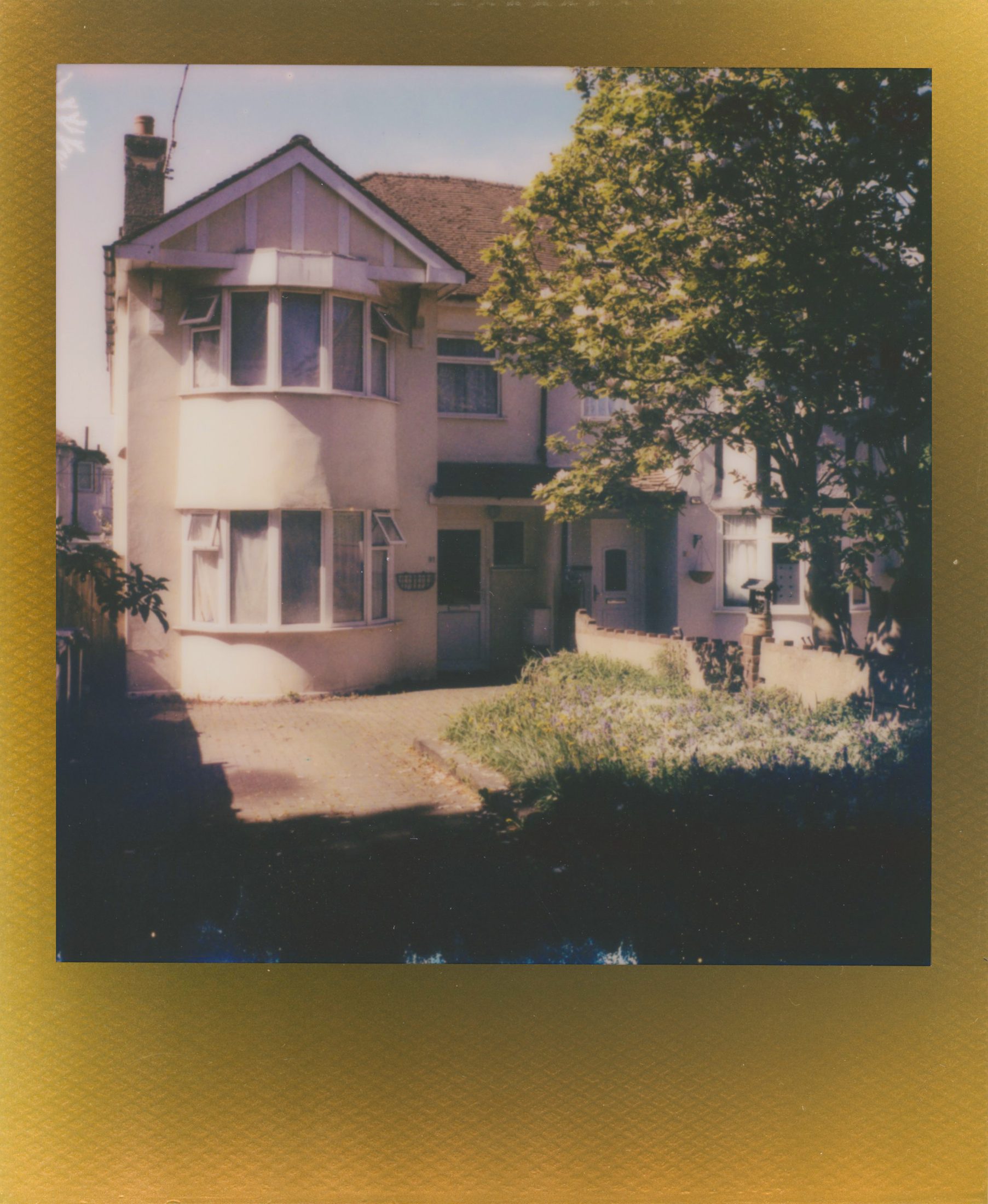
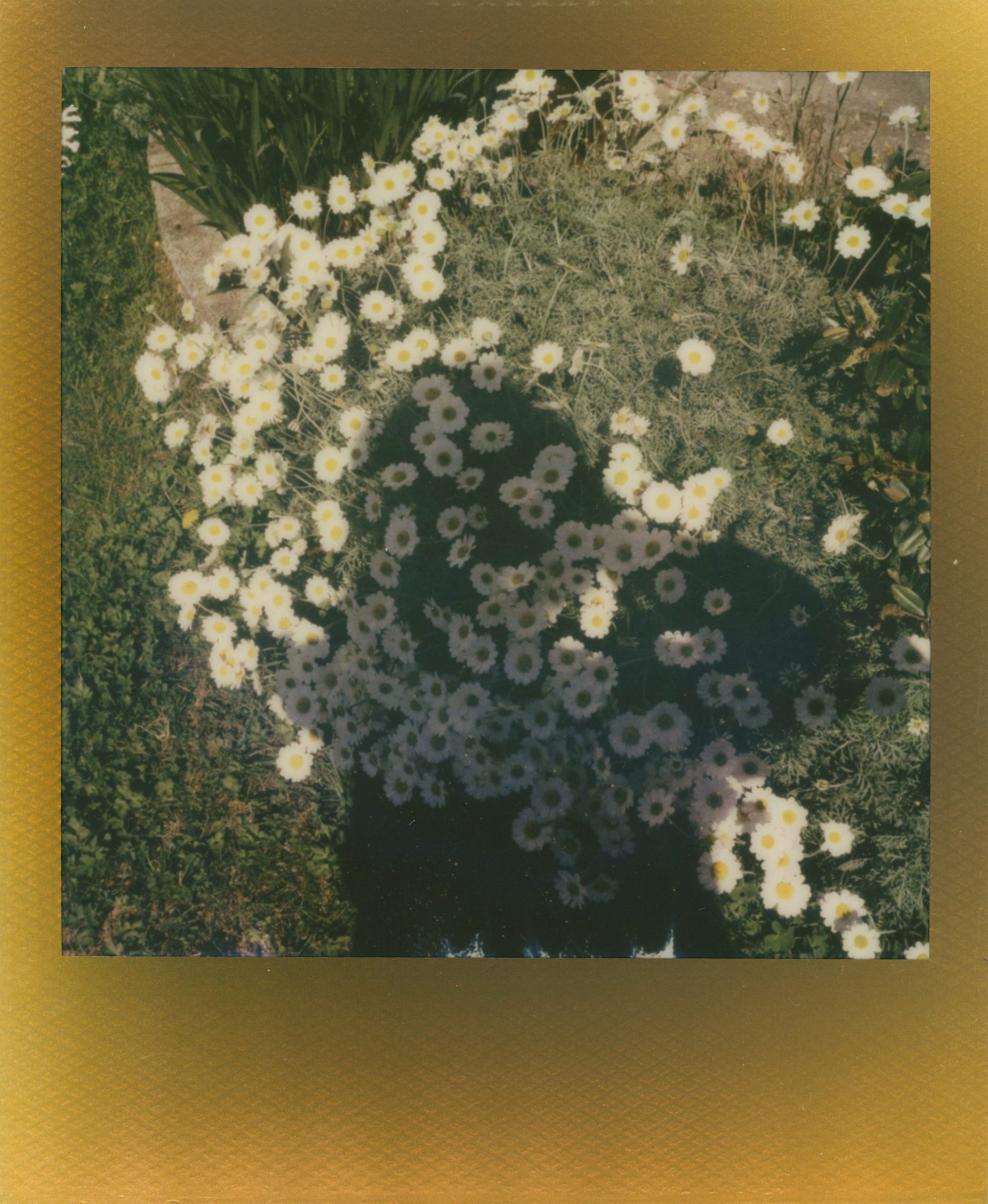
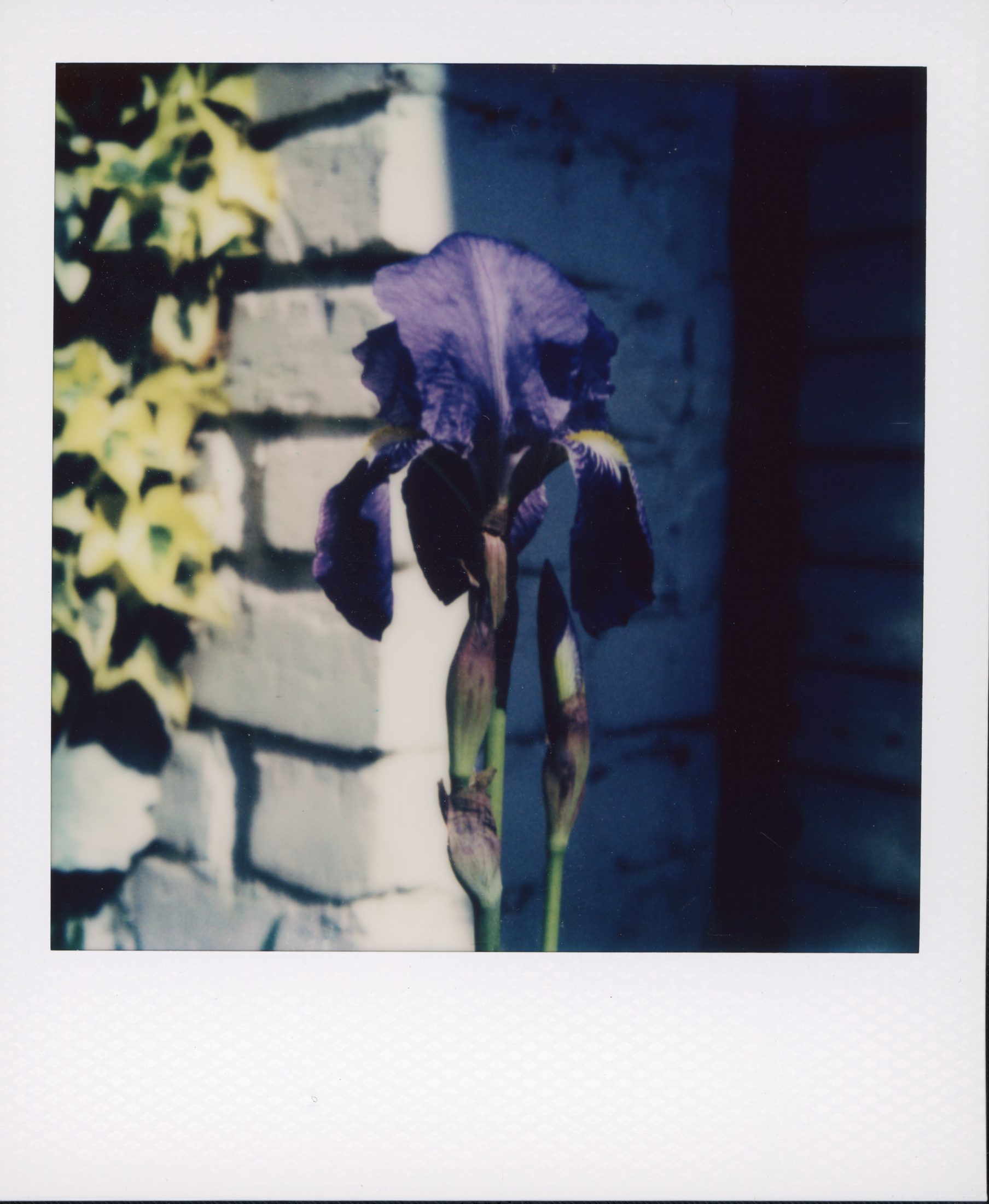
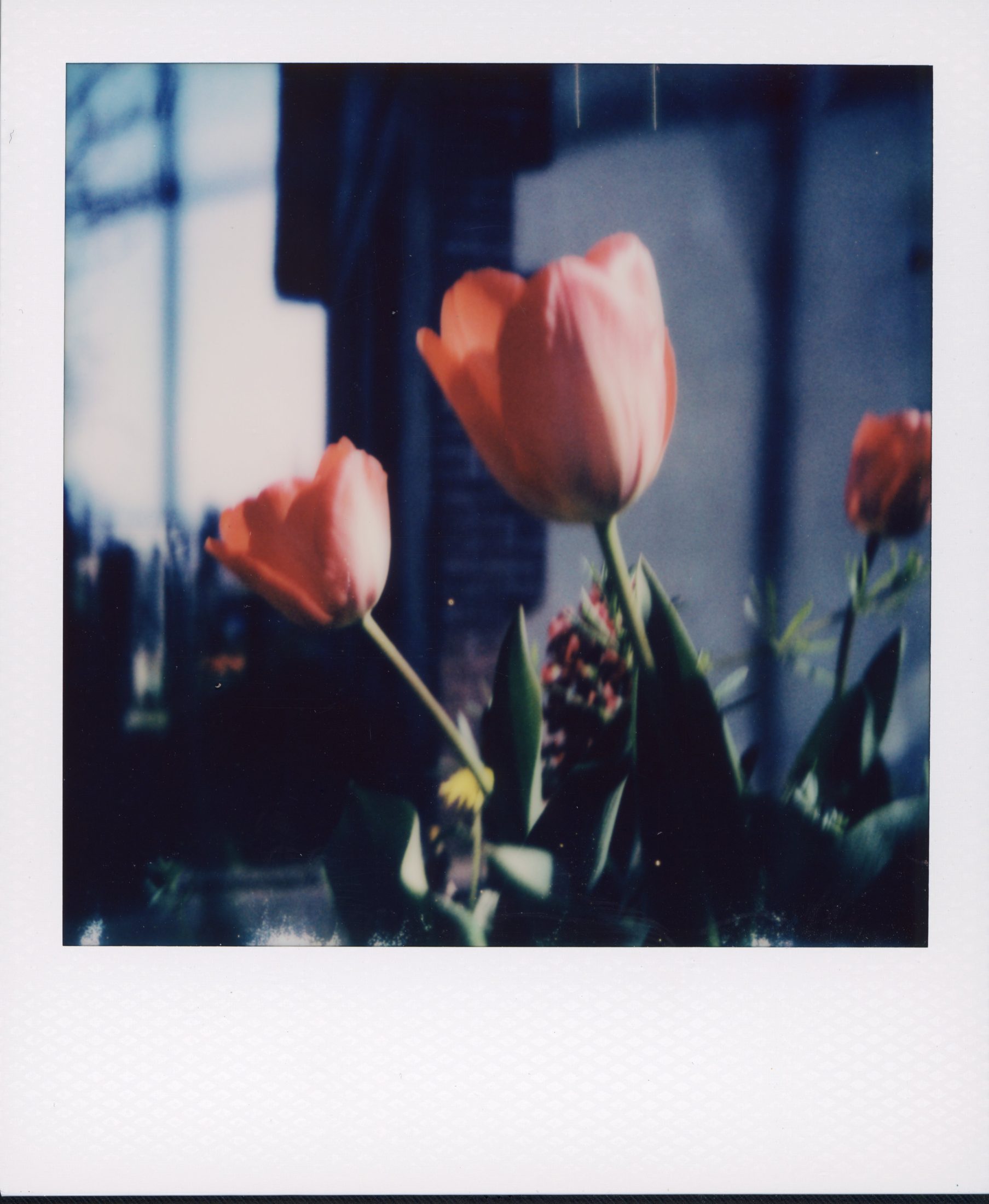
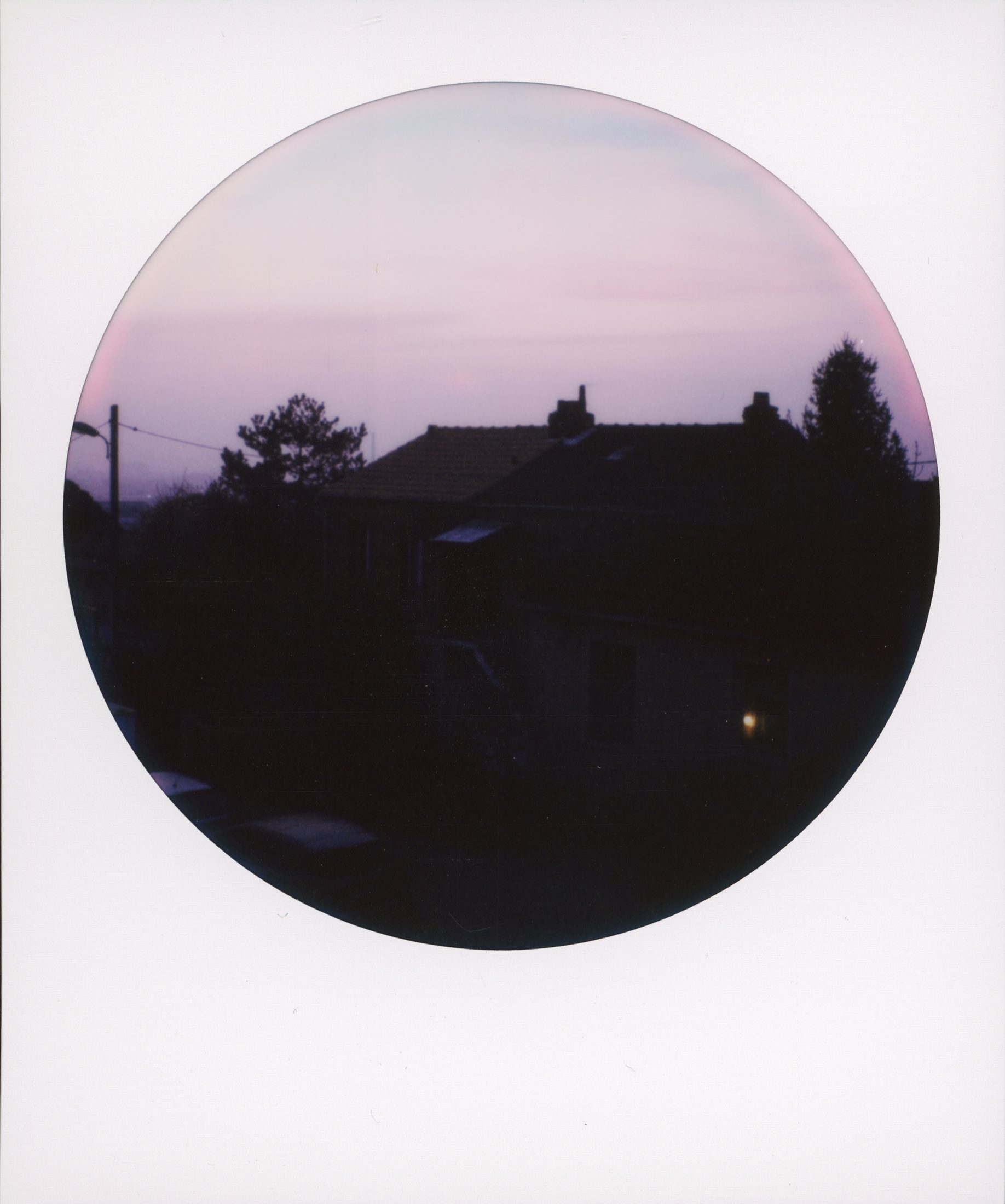
When spring arrived, I often took my Polaroid out for a walk after class. I was living in Canterbury then. The weather grew warmer, flowers began to bloom, and the familiar town took on a new appearance. Sometimes I went out without a plan, simply feeling that light like this should not be spent indoors. As I walked, I would take another photograph.
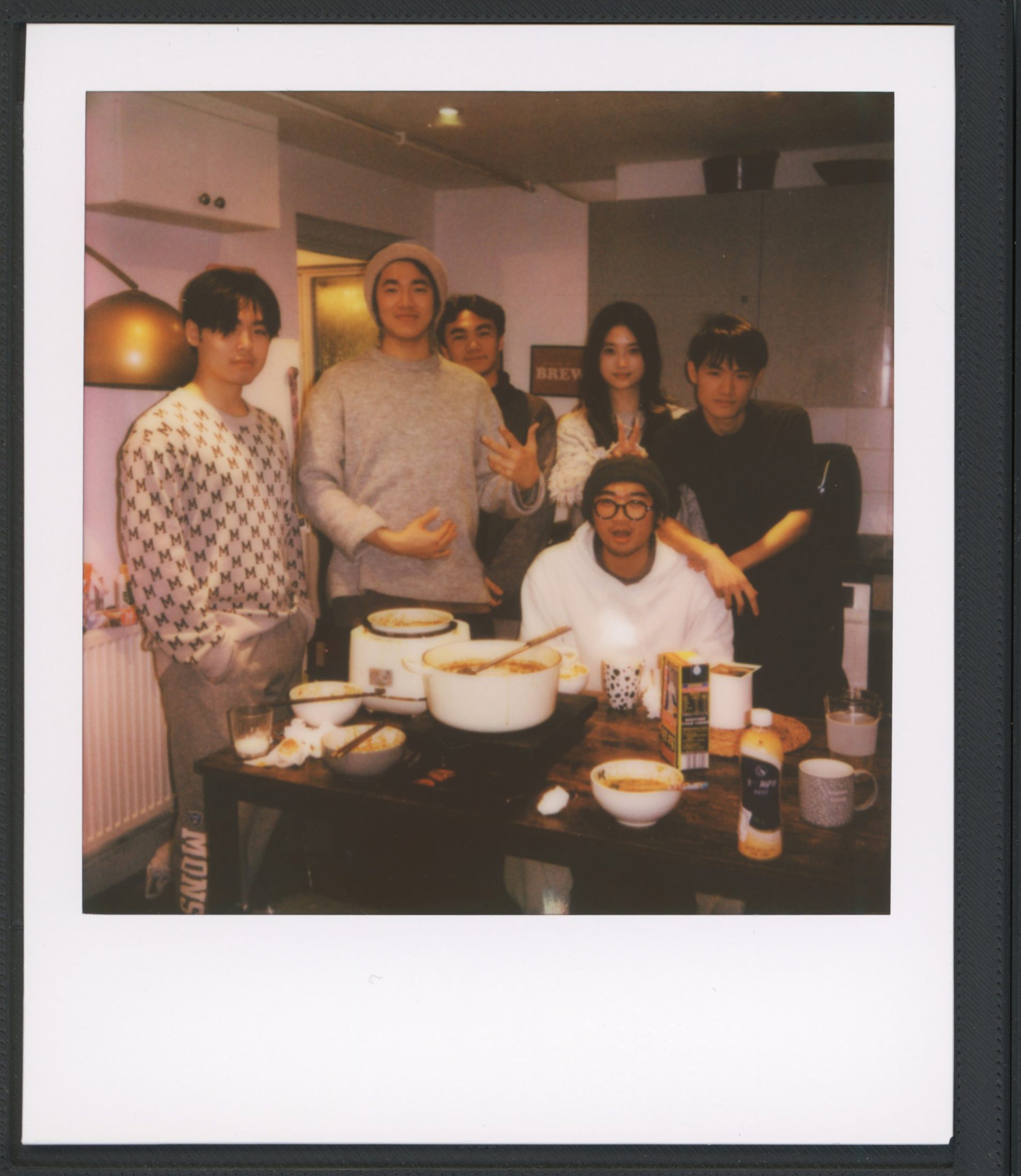
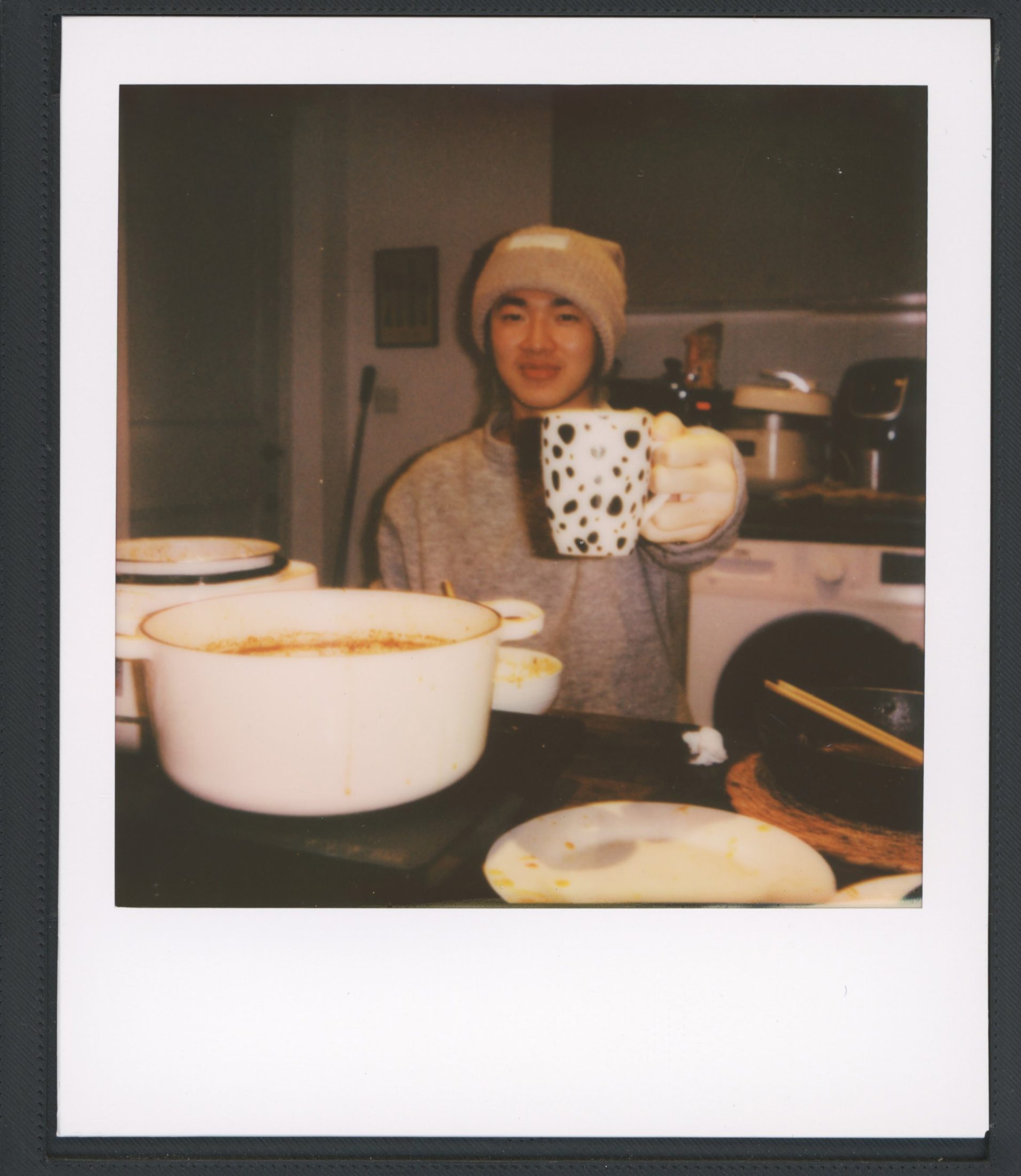
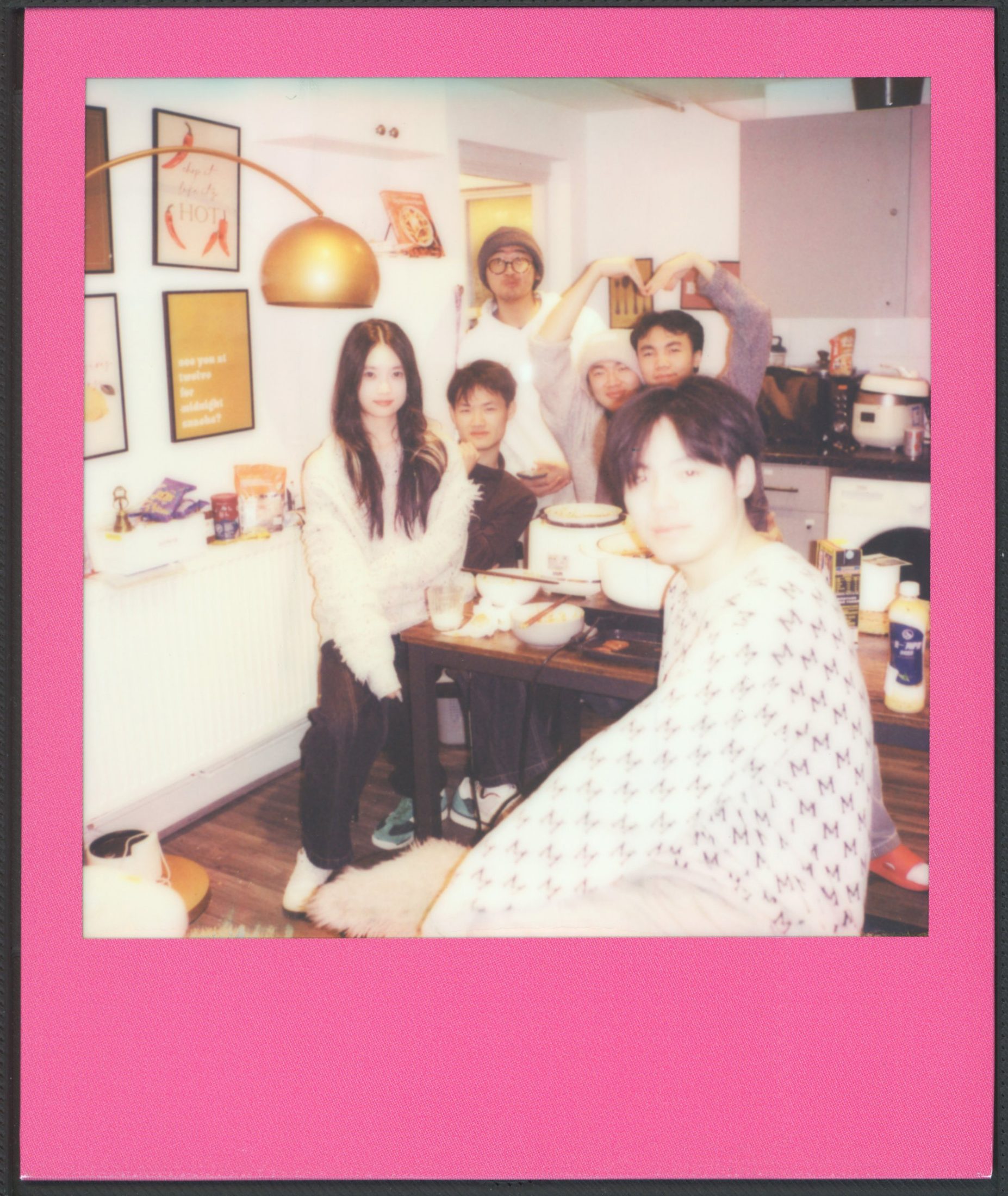
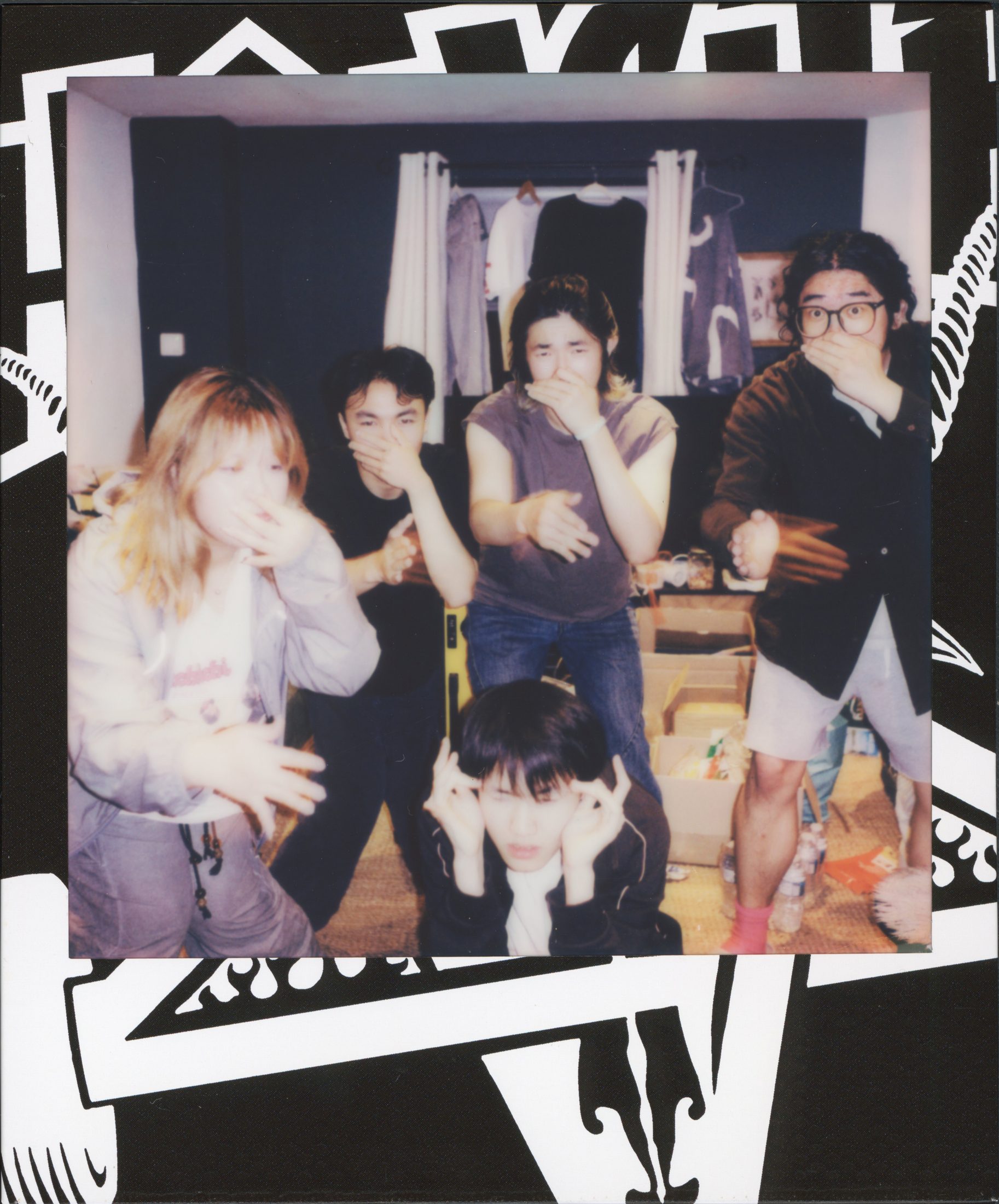
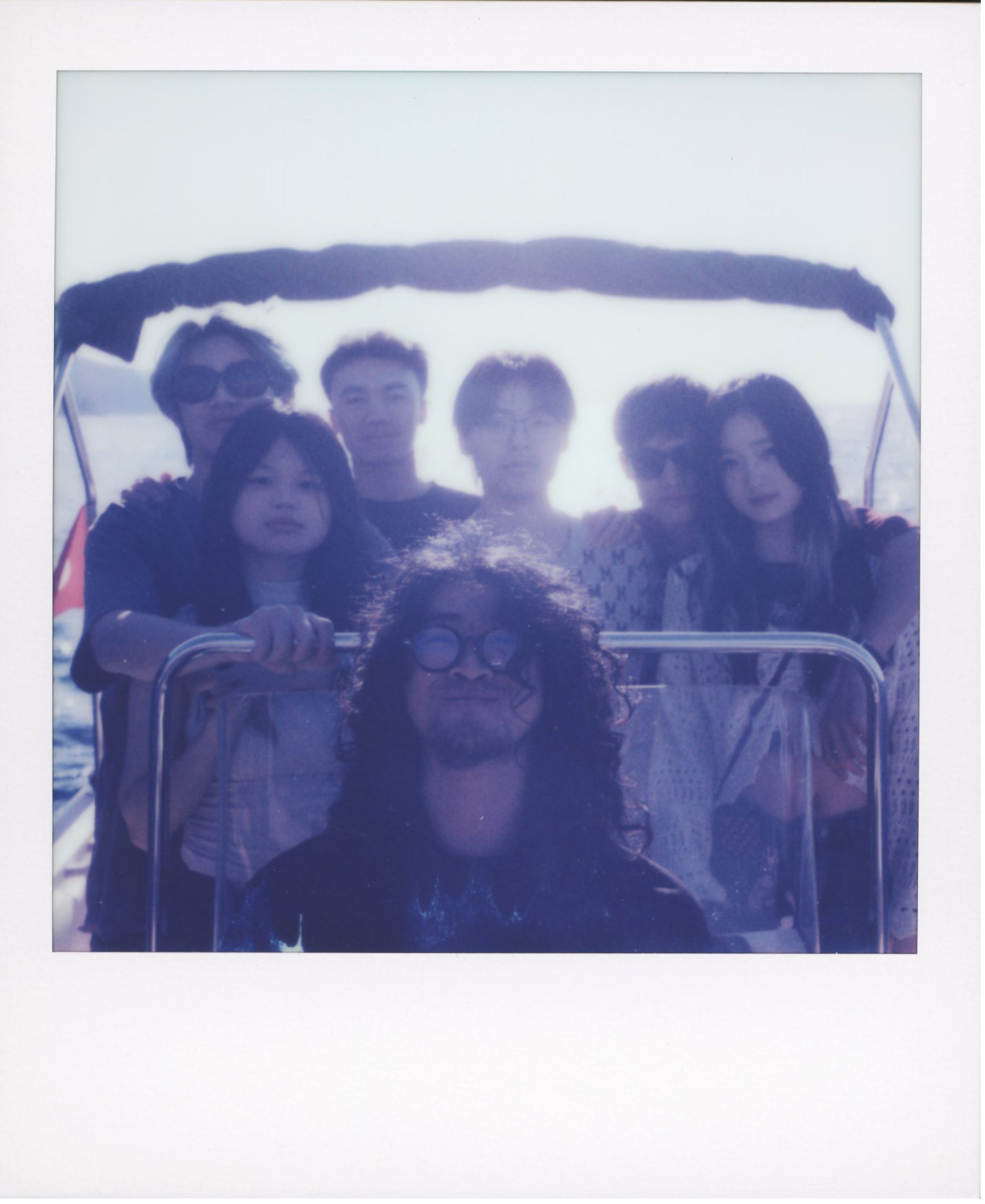
In my second year, I moved from a student flat where I lived alone into a house shared with housemates. We ate and talked together, and there were more moments of company in everyday life. Yet during that period, I took photographs less often. The camera usually came out only when we gathered for a meal, bringing everyone a little closer for a group photograph. Looking at them now, what I miss most is not only the faces in front of the lens, but also the days we spent living together.
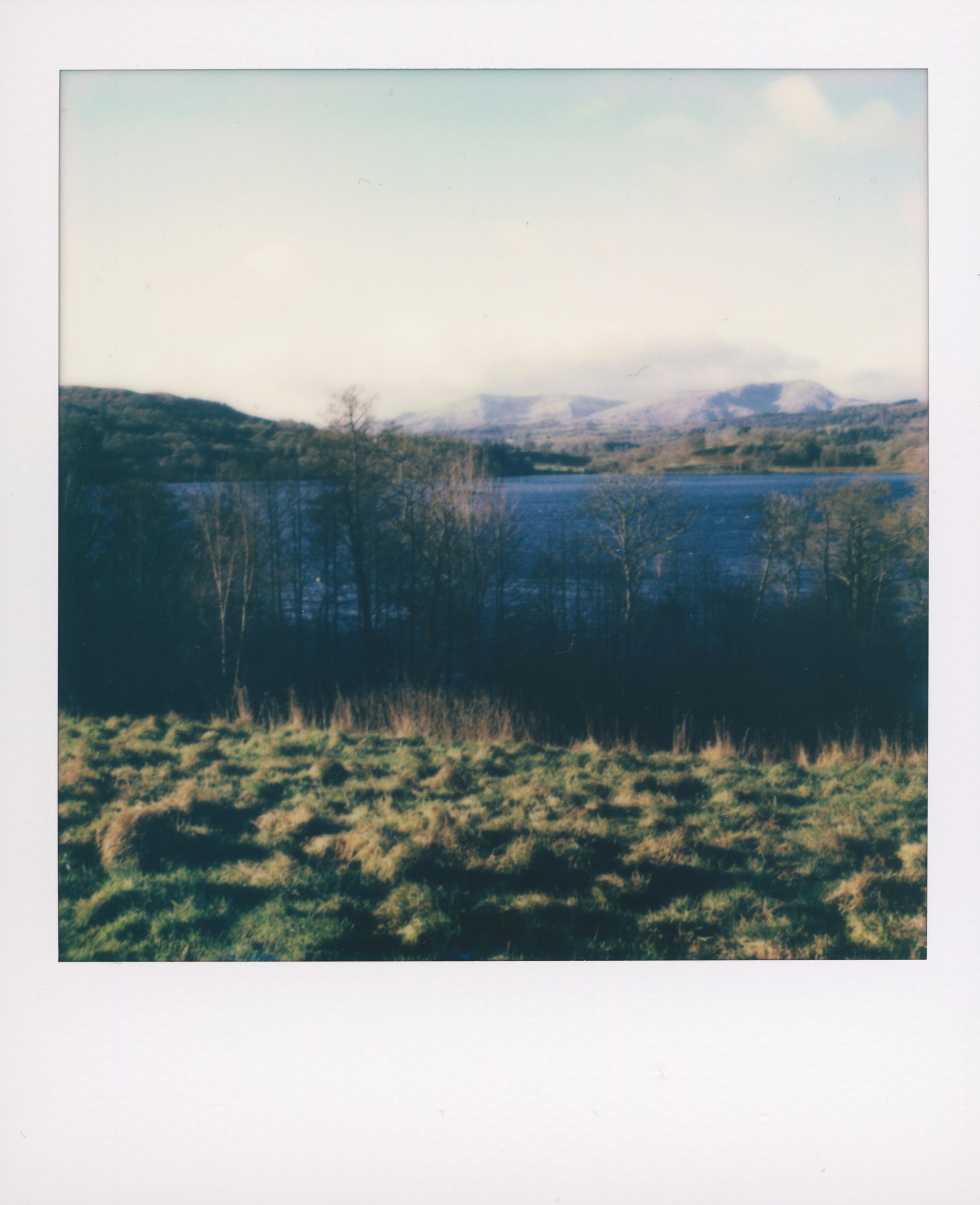
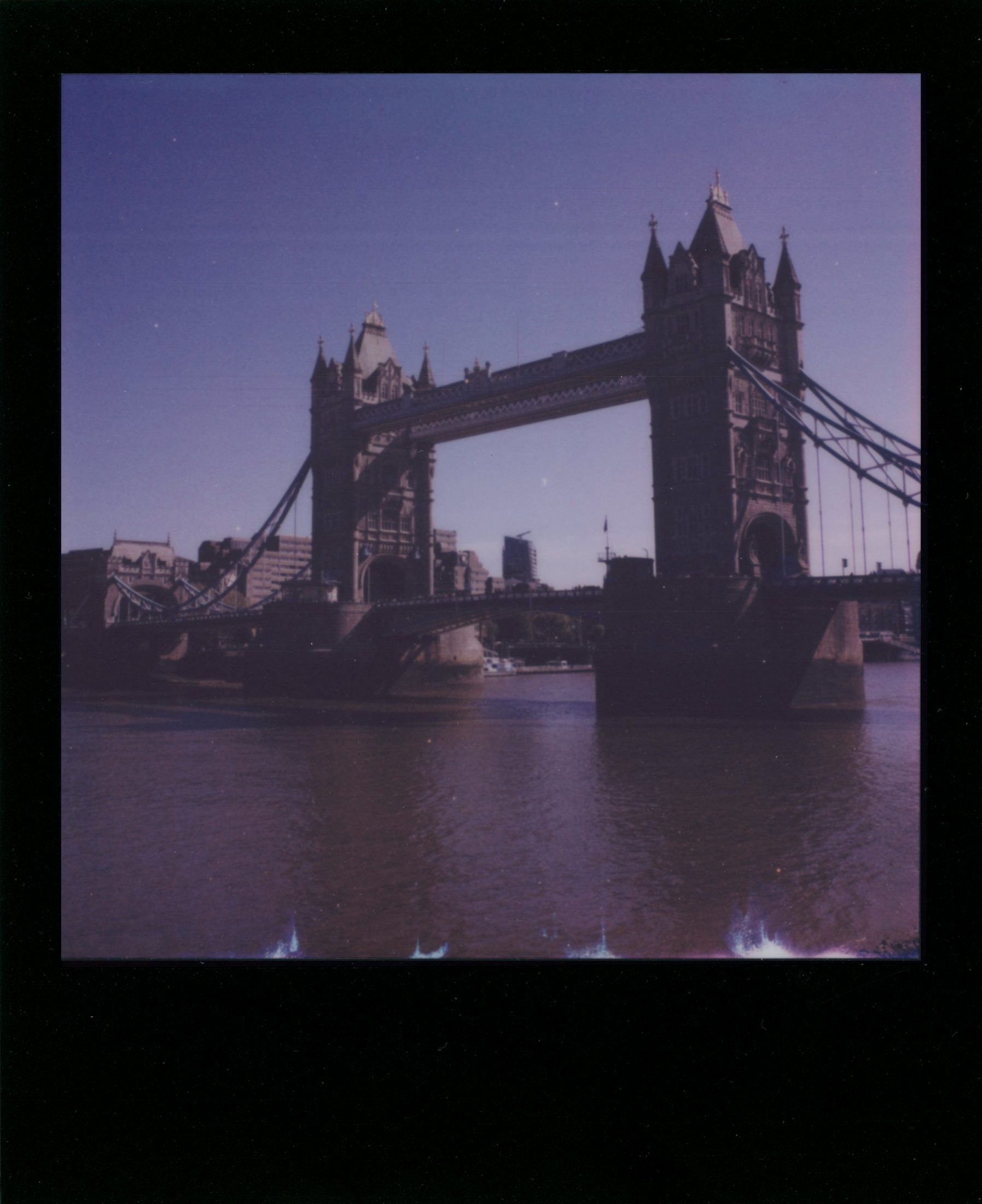
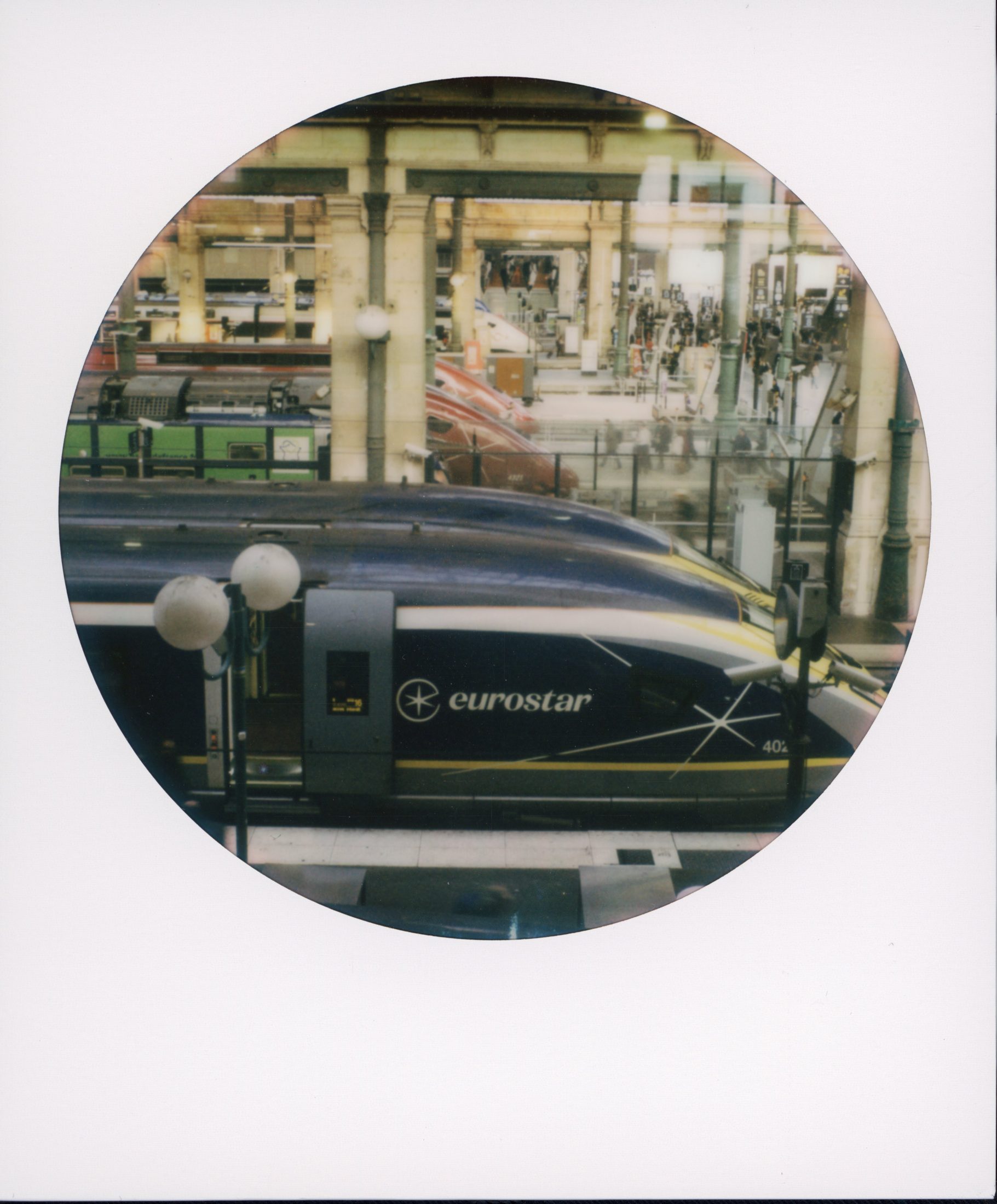
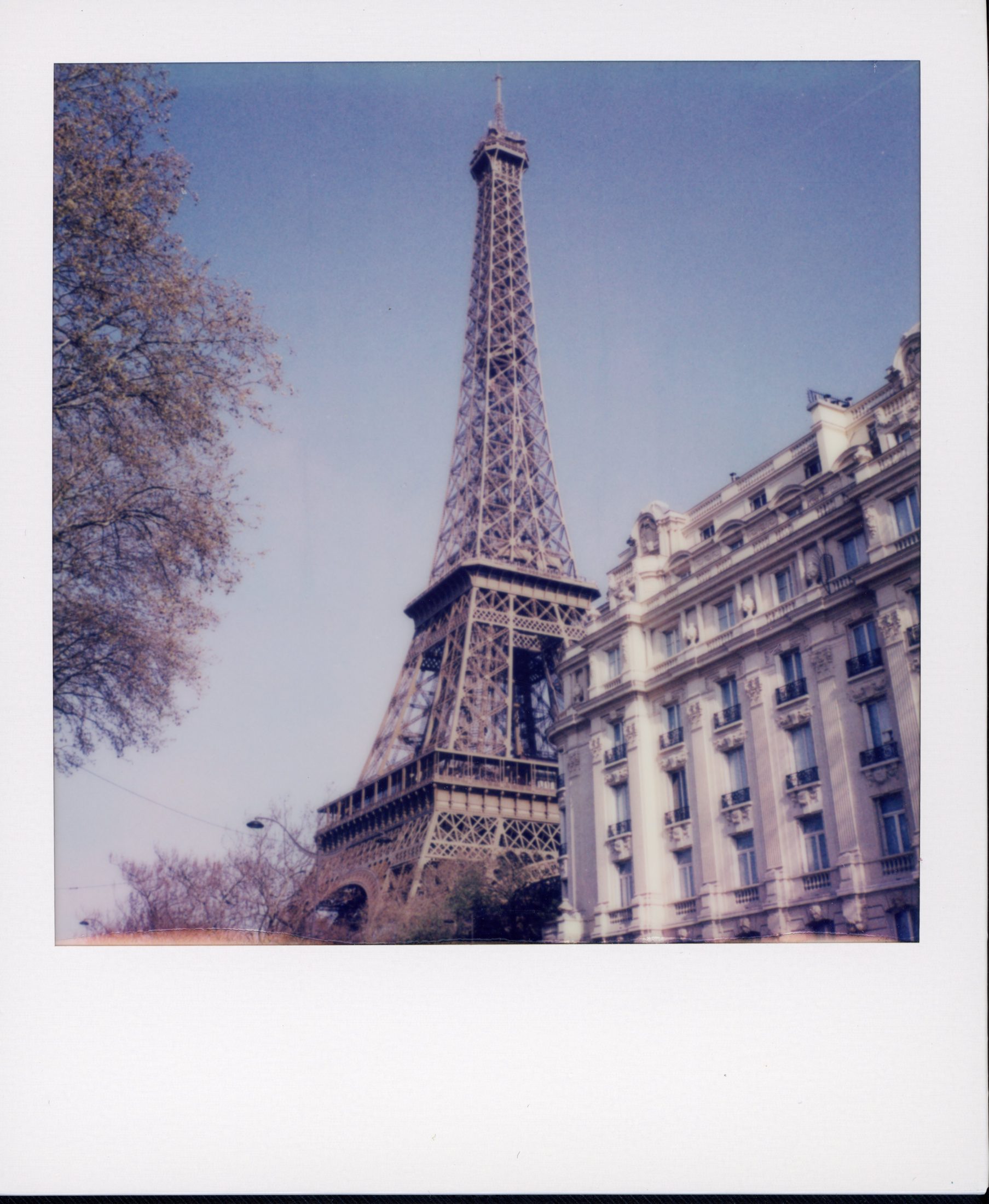
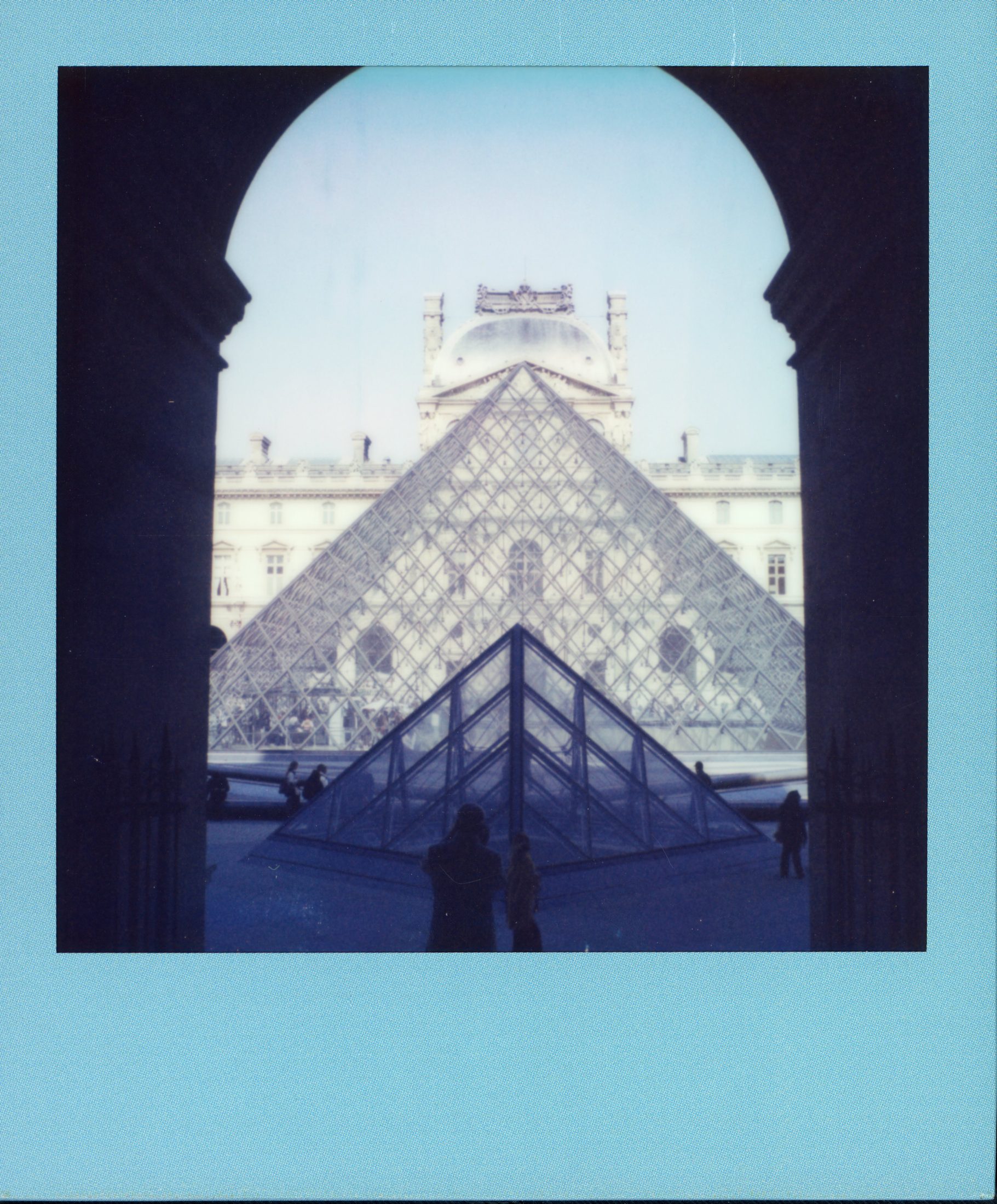
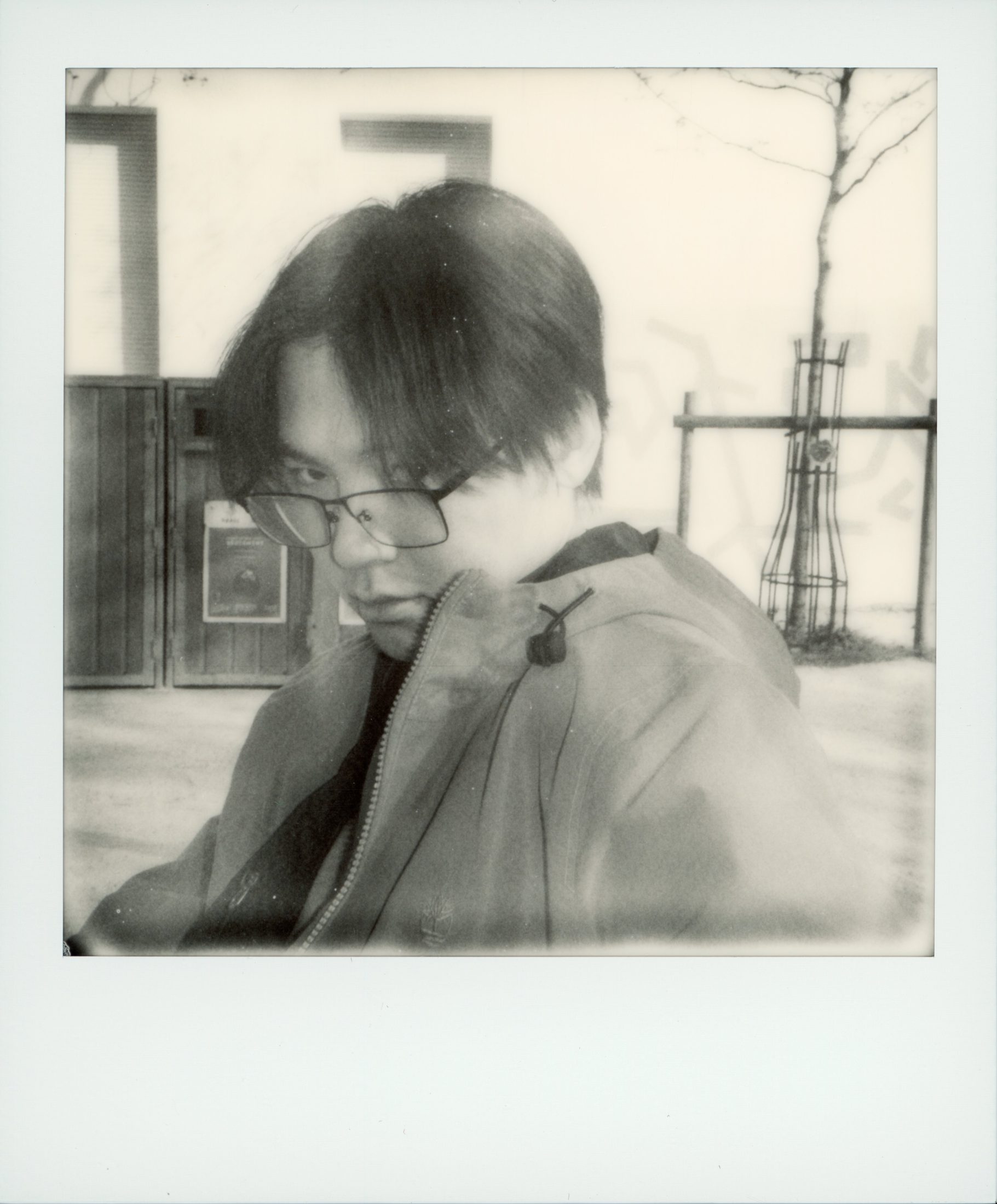
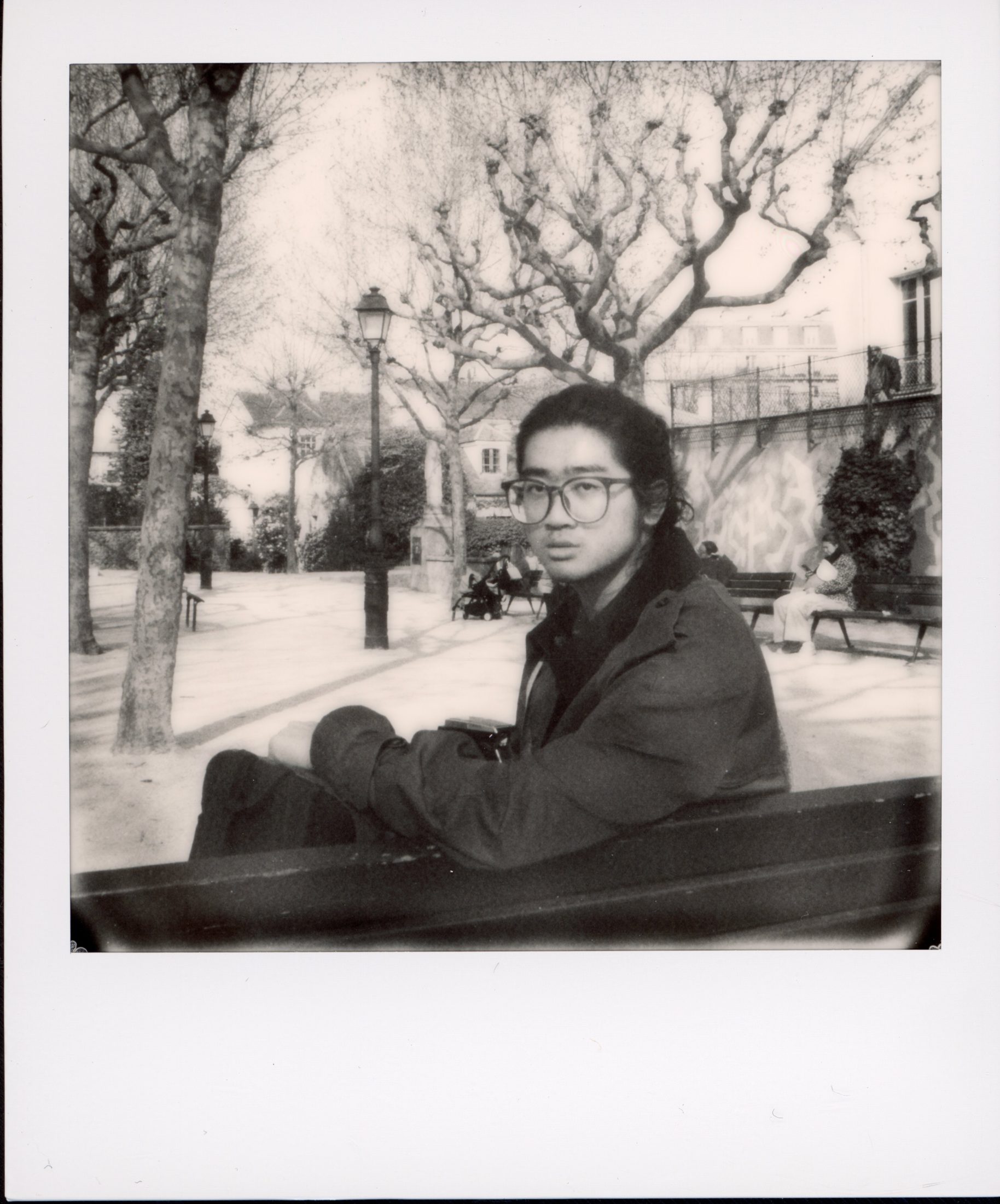
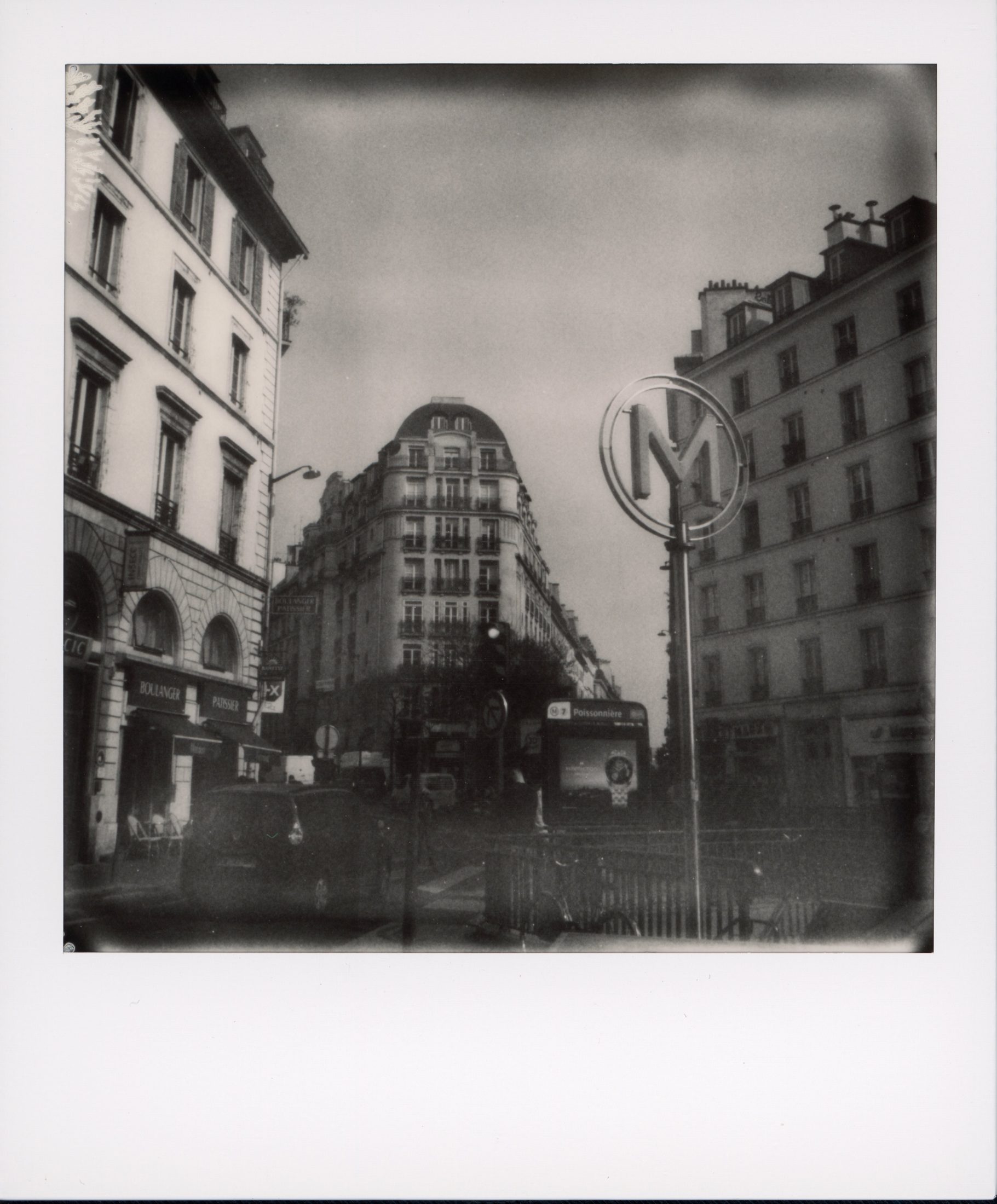
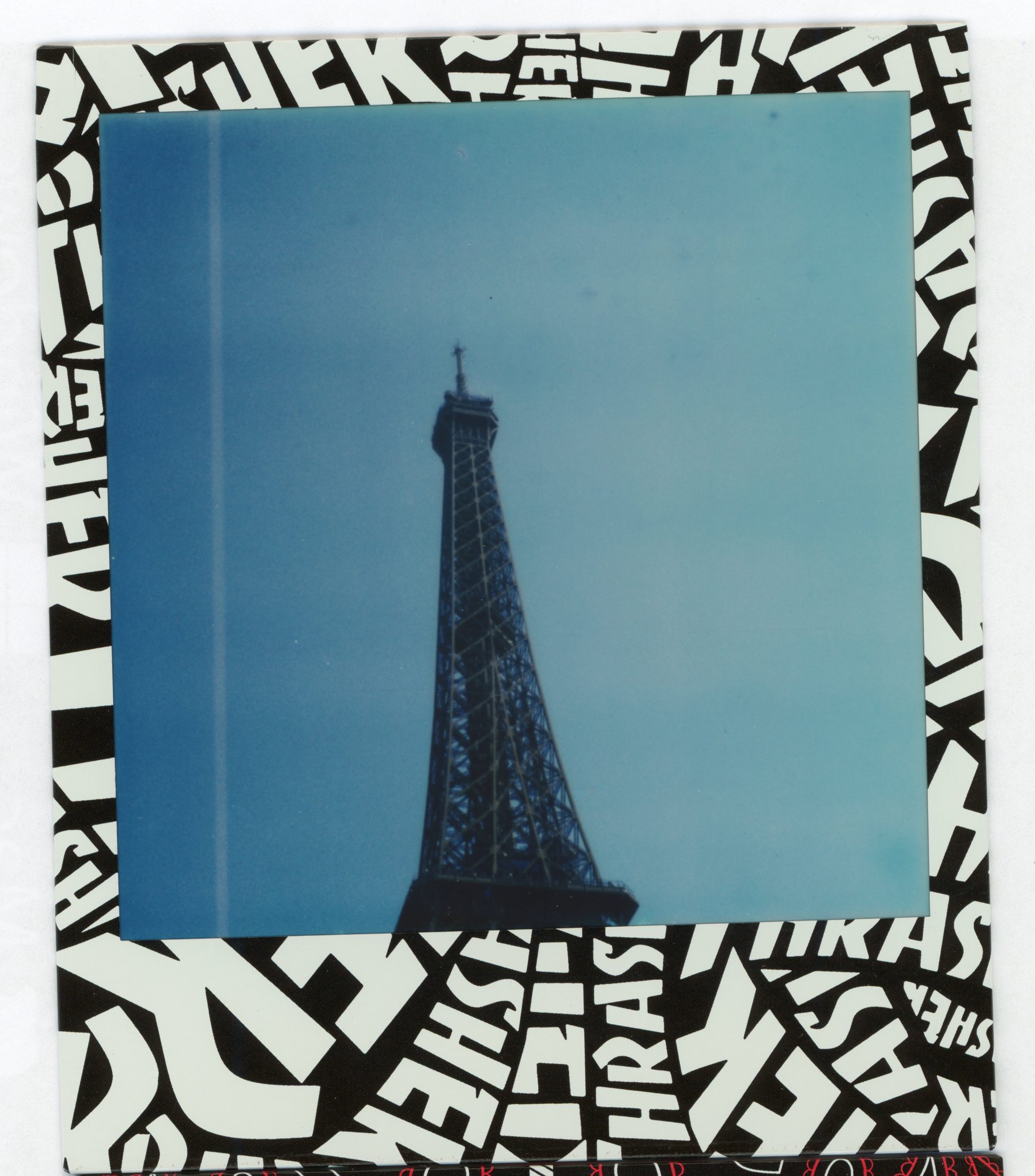
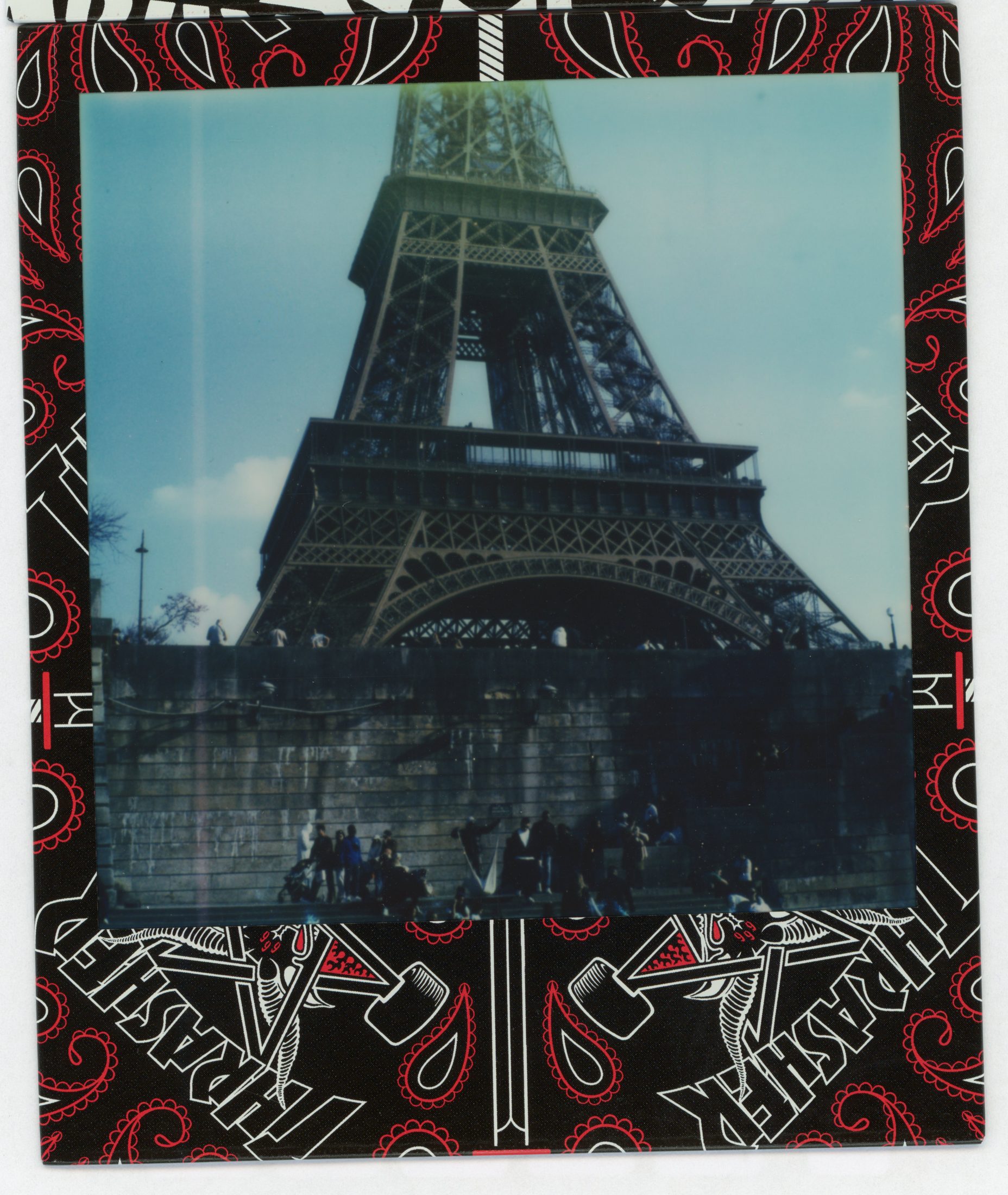
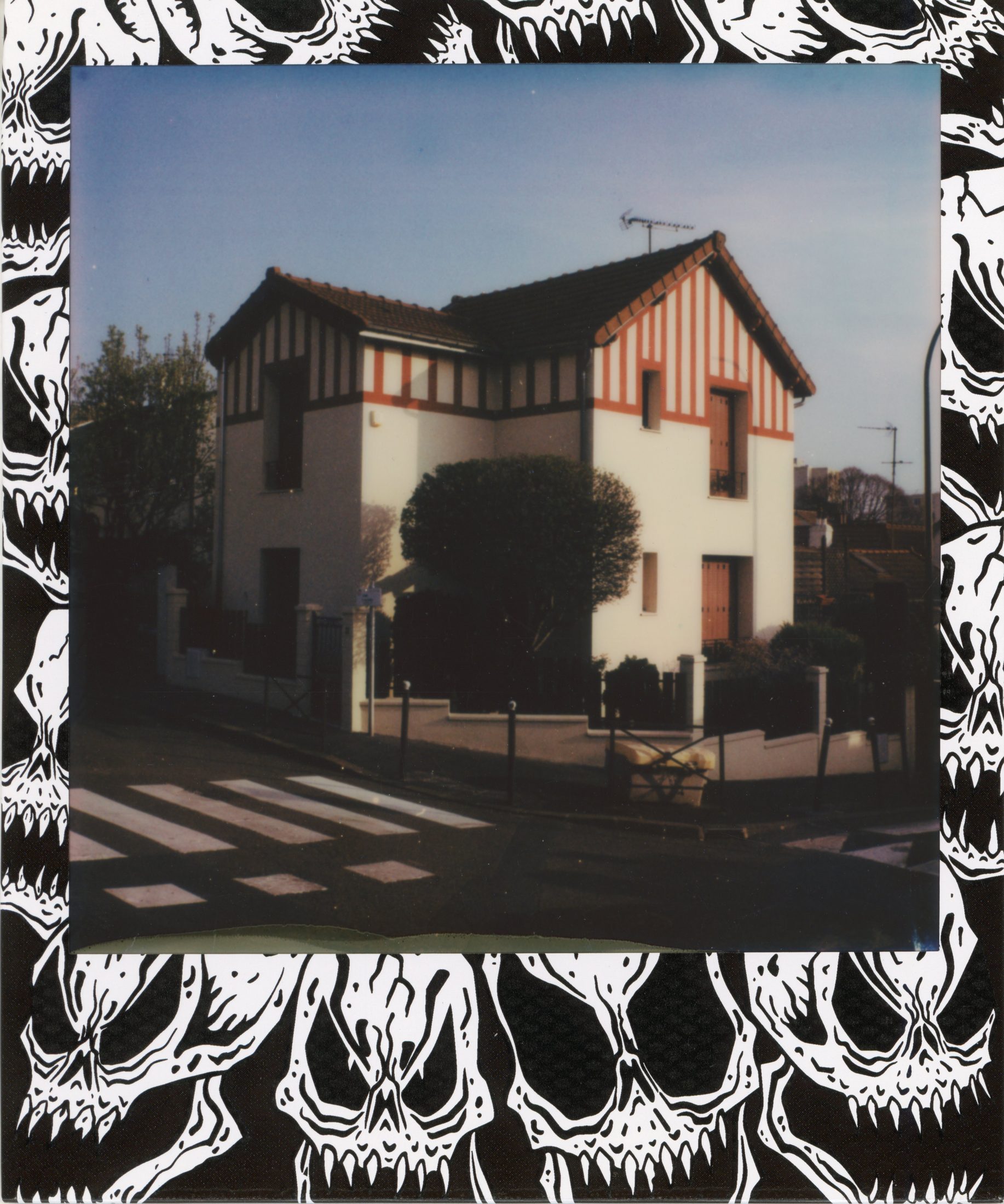
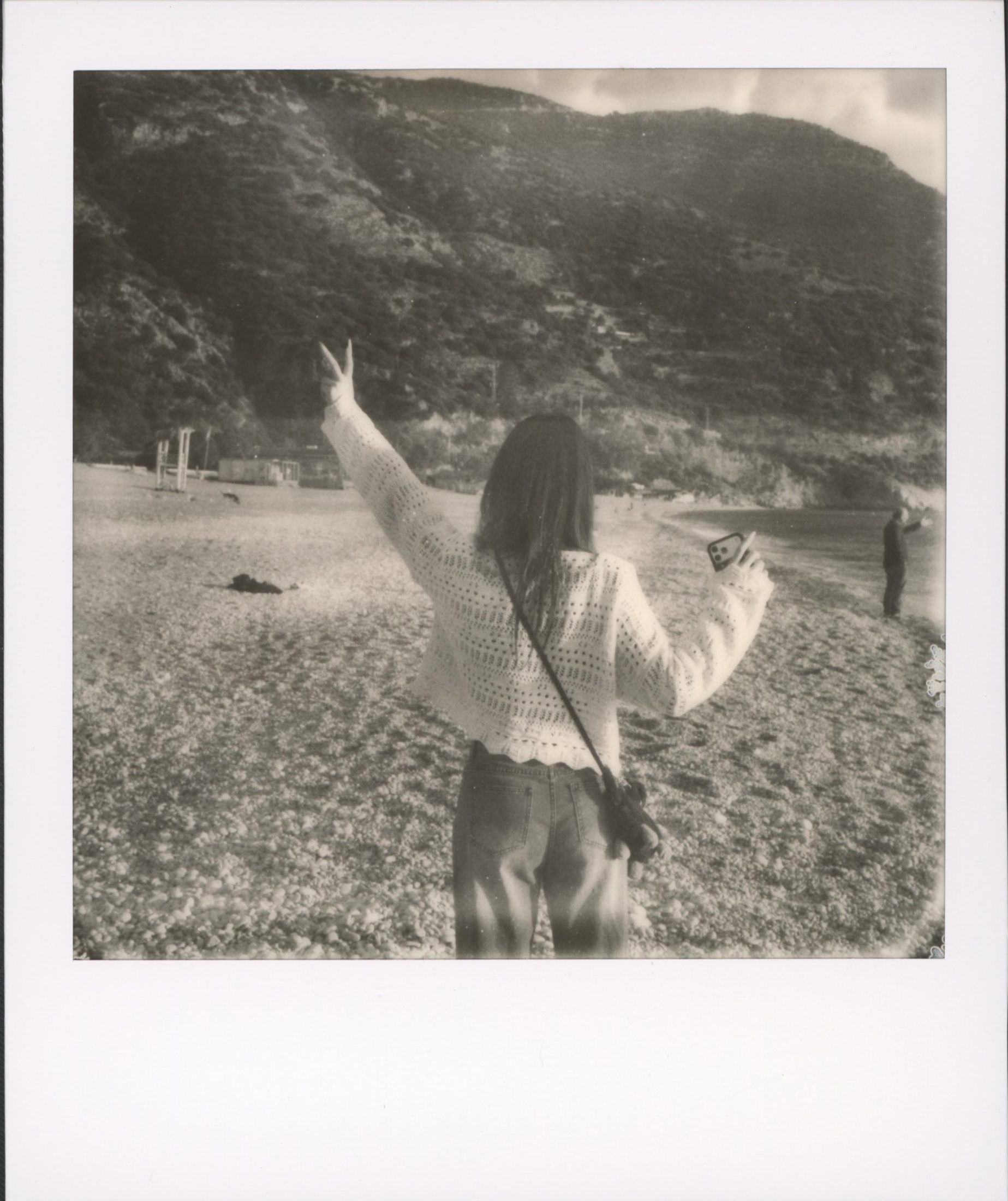
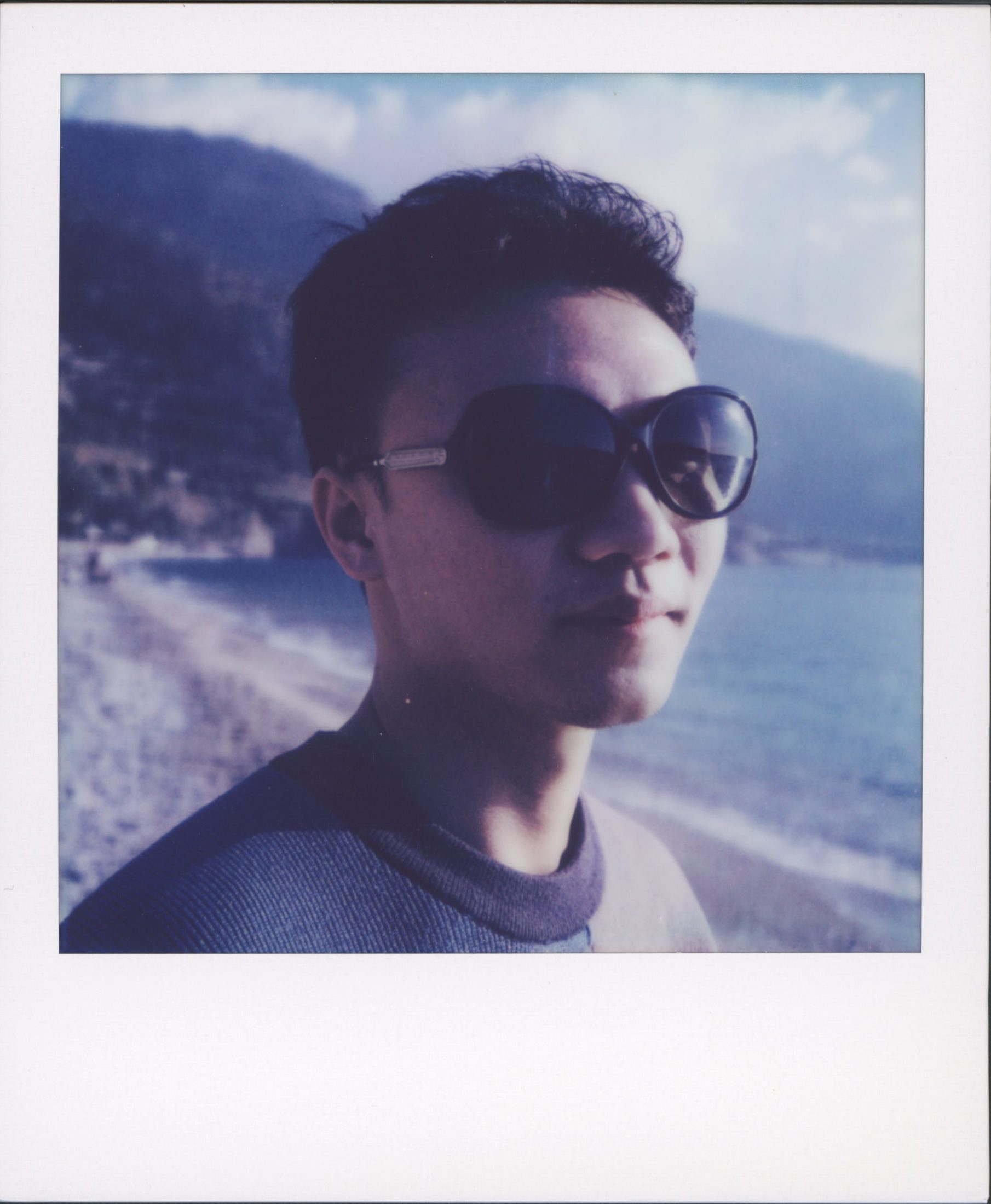
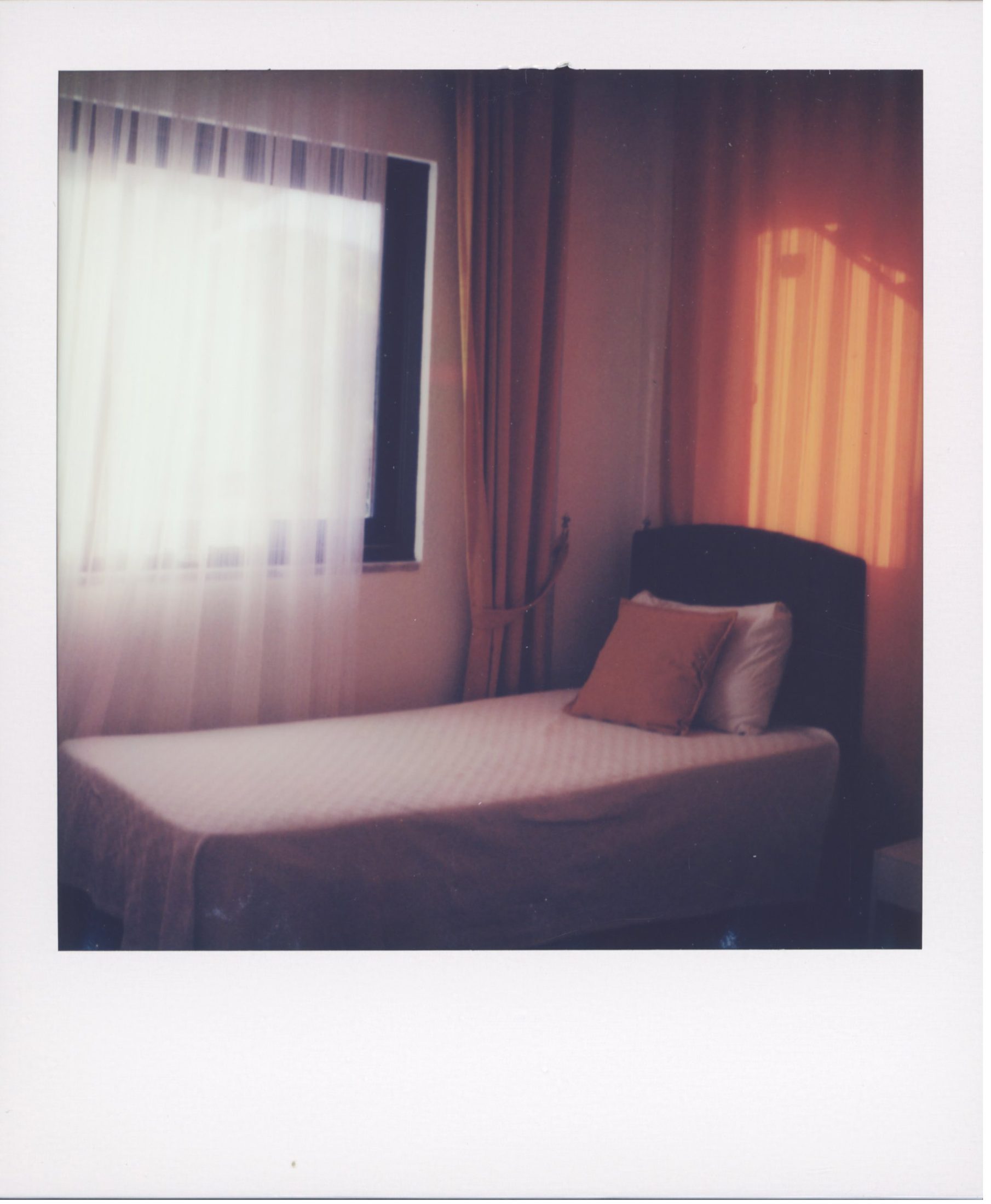
Later, the UK moved into daylight saving time again. It stayed light later and later, and I slowly found my enthusiasm for going out to take photographs again. After that, I travelled to France and Turkey. The sunlight made me want to linger outside and led me to take many photographs. Sometimes I felt that I had not suddenly discovered more things worth photographing, but had finally found the inclination to notice them again.
In this way, Polaroids accompanied me through those two years. Sometimes I took many photographs; sometimes a long time passed before I picked up the camera again. It did not ask me to keep creating continuously. It simply left me a photograph whenever there was something I wanted to remember.
Only now, placing them together, can I see that a stretch of life connects those scattered moments. I can no longer remember many of the details. But when I look at the photographs, I still know: I was there, these people were around me, and something in front of me made me genuinely want to press the shutter.
介紹 / 中文
在英國的兩年裡,寶麗來逐漸成為我生活中很重要的一部分。
第一次去倫敦,我的手機被偷了。此後很長一段時間,帶著相機出門總讓我不安。後來,攢下一點錢,我買了自己的第一台寶麗來。原本對丟失的擔心並沒有立刻消失,但拿到相機之後,想拍照的衝動又慢慢回來了。我迫不及待地為朋友拍照,記錄眼前的風景,也記錄那些說不出為什麼,卻很想留下來的時刻。
那時,我很少去想自己是不是在做一個項目。更多時候,只是覺得這裡很好看,光線很好,朋友此刻的樣子很有意思,於是按下快門。有些照片是大家站好後認真拍的,有些是在聊天和遊玩中偶然抓到的。拍攝的理由往往很簡單,甚至來不及成為一句完整的話。
我喜歡等待相紙顯影的過程。剛剛發生的事情,慢慢在手裡出現,變成一張可以拿起、遞給別人,也可以收進抽屜的照片。我也喜歡那些不太聽話的畫面:雪花一樣的紋理、漏液、偏色,以及無法預料的痕跡。它們有時遮住了一部分風景,卻並不妨礙我記得那一天。那些不完整的地方,也漸漸成為我熟悉它們的方式。
最近重聽陳奕迅的《沙龍》,聽到“留住溫度、速度、溫柔和憤怒”,我想到的正是這些照片。我們想留下的,或許從來不只是眼前事物的樣子,還有置身其中時,身體和心裡的感受。照片未必能留住一個完整的下午,卻可能讓人重新想起那天下午為什麼不願回家。
我也因此試著理解,為什麼有人在數碼影像已經如此方便的時候,仍然願意回到膠片。對我而言,那並不是要證明哪一種相機更好,而是喜歡一段經歷最終有了可以握在手裡的形狀。拍下的瞬間無法重來,顯影的結果也不能完全掌控,但我仍然願意為下一張照片停下來。也許,膠片對我的意義就在這裡:它沒有替我抓住生活,卻讓我更願意靠近生活,坦白地留下自己的喜歡和感受。
這些照片大致按時間排列。從剛拿到相機時為朋友拍下的肖像開始,慢慢走過獨處、出遊和相聚,也留下了去看陳奕迅演唱會的記憶。現在回頭看,第一年在英國的生活裡,有許多輕快的日子。當時並沒有覺得它們需要被鄭重記住,只是一次次把相機拿了出來。
春天到了以後,我常在下課後帶著寶麗來出去走走。那時我住在坎特伯雷。天氣漸漸轉暖,花開起來,熟悉的小鎮也有了新的樣子。有時出門沒有什麼計劃,只是覺得這樣的光不該在房間裡度過。走著走著,就又拍下了一張。
第二年,我從獨自居住的學生公寓搬進了與室友合住的房子。我們一起吃飯、聊天,生活裡多了許多有人陪伴的時刻。那段時間,我反而沒有那麼頻繁地拍照。相機常常只在聚餐時被拿出來,讓大家靠近一點,留下一張合照。如今再看,那些照片裡最令我留戀的,也不只是鏡頭前的幾張面孔,還有一起住過的日子。
後來,英國又進入夏令時,天黑得越來越晚,我慢慢重新找回了出門拍照的興致。再後來去了法國和土耳其,陽光讓人願意長久地待在外面,也讓我拍下了許多照片。有些時候,我覺得自己不是突然發現了更多值得拍攝的東西,而是終於又有了心情,去留意它們。
寶麗來就這樣陪著我走過這兩年。有時拍得很多,有時隔了很久才拿起相機。它沒有要求我保持一種持續創作的狀態,只是在我想記住什麼的時候,給我留下一張照片。
如今把它們放在一起,我才看見那些零散的時刻之間,原來連著一段生活。許多具體的事情已經記不清了,但看到照片,我仍然知道:那時我在那裡,身邊有這些人,我曾經因為眼前的一切,真切地想要按下快門。